



























The delicate skin around the eyes is often one of the first areas to show signs of aging, fatigue, and stress. Fine lines, puffiness, dark circles, and dryness are common concerns that many people hope to address with specialized eye creams. But with countless products on the market claiming dramatic results, it’s natural to wonder: do eye creams really work? Understanding the science behind their active ingredients, how they target specific issues, proper application techniques, and realistic expectations can help you make informed choices and achieve optimal results.
Understanding the Skin Around the Eyes
The skin surrounding the eyes is thinner and more delicate than the rest of the face, often just 0.5 millimeters thick compared to about 2 millimeters on the cheeks. This makes it more prone to:
- Dehydration: Leading to fine lines and a crepey texture.
- Visible blood vessels: Contributing to dark circles.
- Loss of elasticity: Resulting in sagging or puffiness.
- Environmental damage: UV exposure and pollution can accelerate aging in this area.
Because of these unique characteristics, eye creams are formulated differently from facial moisturizers, often including milder ingredients, concentrated actives, and targeted delivery systems.
Active Ingredients: What Eye Creams Can Do
Effective eye creams contain active ingredients tailored to address specific concerns.
- For Hydration and Fine Lines
- Hyaluronic Acid: A powerful humectant that attracts and retains moisture, plumping fine lines and improving skin texture.
- Glycerin: Maintains hydration and strengthens the skin barrier.
- Squalane: Lightweight oil that locks in moisture without clogging pores.
- For Puffiness
- Caffeine: Constricts blood vessels and temporarily reduces fluid retention, helping to diminish puffiness.
- Peptides: Support collagen and elastin production, firming the skin to reduce sagging.
- Cooling Agents: Ingredients like aloe vera or menthol derivatives can provide immediate relief and a depuffing effect.
- For Dark Circles
- Niacinamide (Vitamin B3): Improves circulation and strengthens the skin barrier, reducing discoloration over time.
- Vitamin C: Brightens the skin by reducing pigmentation and supporting collagen synthesis.
- Retinol: Stimulates collagen production, improving skin thickness and minimizing the visibility of underlying blood vessels.
- Antioxidants and Anti-Inflammatories
- Green Tea Extract, Vitamin E, Coenzyme Q10: Protect against free radical damage and reduce inflammation that can worsen puffiness and dark circles.
- Chamomile or Licorice Extract: Calm irritation and support even skin tone.
Puffiness vs Dark Circles: Different Causes, Different Solutions
Understanding the root cause of eye concerns is crucial to choosing the right product:
- Puffiness
- Often caused by fluid retention, allergies, or lack of sleep.
- Temporary puffiness can improve with massage, cooling treatments, or caffeine-containing creams.
- Chronic puffiness may relate to genetics or underlying health issues, requiring a more comprehensive approach.
- Dark Circles
- Can result from hyperpigmentation, thin skin, or visible blood vessels.
- Pigmentation-related circles respond well to brightening ingredients like vitamin C, licorice extract, and niacinamide.
- Circles caused by vascular issues may be improved with retinol or caffeine, but results are gradual and subtle.
Recognizing whether your concern is puffiness, pigmentation, or a combination is key to selecting an effective eye cream.
Application Techniques: Maximizing Absorption and Effectiveness
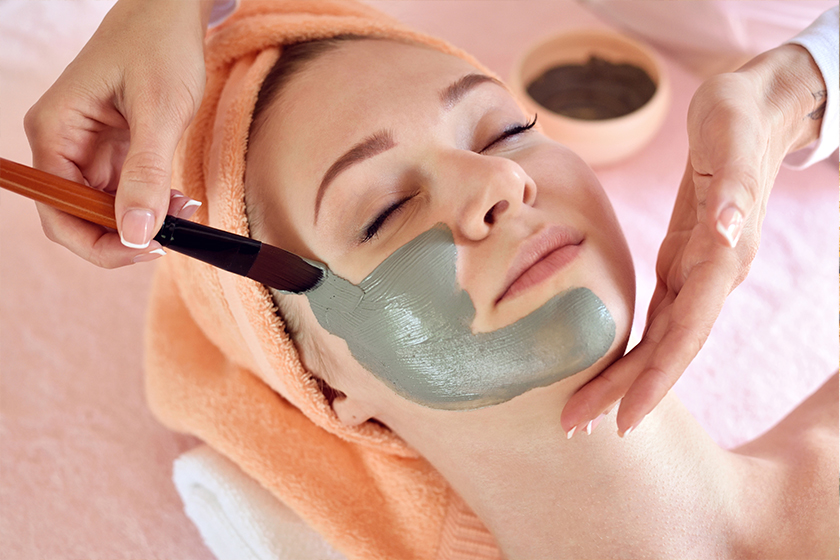
Proper application of eye creams ensures the delicate skin absorbs the active ingredients without causing damage.
- Use the Right Amount
- A pea-sized amount for both eyes is sufficient; over-application can lead to irritation or product waste.
- Gentle Application
- Use the ring finger, which applies the least pressure, to pat the cream around the orbital bone.
- Avoid pulling or tugging the skin, which can worsen fine lines.
- Focus on Target Areas
- Apply along the under-eye area, from the inner corner to the outer corner.
- Lightly tap along the brow bone to address upper eye puffiness.
- Layering
- Apply eye cream after serum but before moisturizer to ensure actives penetrate effectively.
- If using a retinol-based eye cream, start with every other night to build tolerance.
- Enhancing Effectiveness
- Use a cooling metal applicator or a chilled jade roller to reduce puffiness and improve circulation.
- Ensure skin is clean and dry before application to maximize absorption.
Setting Realistic Expectations
Eye creams can improve the appearance of fine lines, puffiness, and dark circles, but results are gradual and often subtle.
- Timeline
- Hydration effects can be noticeable within a few days to a week.
- Improvements in fine lines or skin thickness from retinol or peptides may take 6–12 weeks.
- Dark circle reduction varies depending on the underlying cause, often requiring consistent use for several months.
- Limitations
- Eye creams cannot permanently eliminate deep wrinkles or genetic under-eye hollows.
- Severe puffiness or vascular dark circles may require professional treatments like fillers, laser therapy, or medical-grade interventions.
- Consistency is Key
- Regular, daily application yields better results than intermittent use.
- Pairing eye cream use with good sleep, hydration, sun protection, and a balanced diet enhances overall effectiveness.
- Complementary Lifestyle Practices
- Adequate sleep and reduced salt intake can prevent fluid retention.
- Sunglasses and sunscreen prevent UV-induced damage to delicate eye skin.
- Gentle massage and lymphatic drainage can further reduce puffiness.
Choosing the Right Eye Cream
- Sensitive Skin: Look for fragrance-free, hypoallergenic formulas with gentle actives like peptides or hyaluronic acid.
- Targeting Puffiness: Choose creams with caffeine, green tea extract, or cooling agents.
- Targeting Dark Circles: Use brightening ingredients like vitamin C, niacinamide, or retinol (at night).
- Preventive Approach: Use antioxidant-rich formulations to protect the skin from future damage.
Final Thoughts
Eye creams are more than just a marketing gimmick; when formulated with active, evidence-based ingredients and applied correctly, they can improve hydration, firmness, and brightness around the eyes. While they cannot completely reverse aging or severe under-eye concerns, they serve as an effective tool in a holistic skincare routine. Understanding the active ingredients, differentiating between puffiness and dark circles, applying creams gently, and setting realistic expectations ensures you make the most of these specialized products. Combined with sun protection, healthy lifestyle habits, and consistent care, eye creams can contribute to youthful, well-rested, and radiant eyes.