















Hair coloring has become a popular form of self-expression, allowing individuals to experiment with different shades, hues, and styles. Whether you’re looking for a dramatic transformation or a subtle change, the process of coloring your hair can completely alter your look. However, hair coloring is more than just a trend—it’s an art form that requires careful consideration and proper aftercare to ensure long-lasting results.
In this ultimate guide to hair coloring, we’ll walk you through the steps of achieving the perfect shade, choosing the right color for your features, exploring various coloring techniques, and maintaining hair health after coloring. Let’s dive in!
1. Introduction: Why Hair Coloring is More Than Just a Trend
Hair coloring has long been a way to enhance personal style, boost confidence, and make a statement. From ancient cultures where hair dyes were used for ceremonial purposes to modern times where the right color can complement one’s style, hair coloring holds a deep cultural and personal significance.
Today, hair color is seen as a reflection of personality. It can signify a bold transformation, a way to enhance natural beauty, or simply a fun experiment. However, it’s important to approach hair coloring with intention. Your hair color can affect your overall appearance, complement your complexion, and even impact the health of your hair. Therefore, choosing the right shade and technique is key to ensuring your color enhances, rather than detracts, from your overall look.
2. Choosing the Right Color: Factors to Consider When Picking Your Hair Color
Selecting the perfect hair color isn’t as simple as picking a shade you find attractive in a magazine. The right color should harmonize with your skin tone, eye color, and personal style to create a balanced, flattering look. Here are the main factors to consider when choosing your hair color:
1. Skin Tone
Your skin tone plays a vital role in determining which hair colors will look best on you. Generally, skin tones fall into three categories: cool, warm, and neutral.
- Cool Skin Tones: If you have a cool undertone (pink, red, or blue), shades like platinum blonde, ash brown, or cool-toned reds (like burgundy or cherry) are ideal.
- Warm Skin Tones: Warm undertones (yellow, peach, or golden) pair well with rich, warm colors such as golden blonde, caramel, honey, and warm red shades.
- Neutral Skin Tones: Neutral undertones are versatile and can usually wear both cool and warm shades, such as light brown, golden blonde, or even pastel hues.
2. Eye Color
Your eye color can also influence your choice of hair color. In general, the goal is to complement and enhance your natural features.
- Blue or Green Eyes: Shades like platinum blonde, ash brown, or soft pastels can make blue or green eyes pop.
- Brown or Hazel Eyes: If you have brown or hazel eyes, colors like deep browns, caramel, and auburn will complement your eye color and make them stand out.
- Gray or Amber Eyes: Warmer tones like chestnut, honey blonde, or even vibrant red work beautifully with amber or gray eyes.
3. Personal Style and Lifestyle
Lastly, think about your personal style and lifestyle. Do you prefer a low-maintenance hair color, or are you willing to invest time and effort in maintaining vibrant or bold colors? If you’re constantly on the go, shades that require less upkeep (like balayage or natural tones) may be more practical. On the other hand, if you love experimenting, bold colors or ombre styles could be a fun choice.
3. Hair Coloring Techniques: From Highlights to Balayage to Ombre
Once you’ve chosen your color, the next step is selecting a coloring technique that suits your preferences. Hair coloring techniques have evolved over the years, offering a variety of styles that create different looks and effects. Here are some popular techniques:
1. Highlights
Highlights involve lightening sections of your hair to add dimension and brightness. They can be subtle or bold, depending on the contrast with your natural color. Highlights work well for those looking to add depth and movement to their hair without a complete color overhaul.
- Classic Highlights: Typically, blonde highlights are placed throughout the hair to create a sun-kissed, natural effect.
- Chunky Highlights: For a more dramatic look, chunky highlights can add bold contrast to your natural color.
2. Balayage
Balayage is a freehand technique where color is applied to the hair in a sweeping motion to create a natural, sun-kissed look. Unlike traditional highlights, which involve foils, balayage provides a softer, more blended effect. It’s perfect for those looking for low-maintenance color because it doesn’t require regular touch-ups as the color grows out naturally.
- Subtle Balayage: Lighter shades gradually blend into your natural hair color, creating a soft and effortless look.
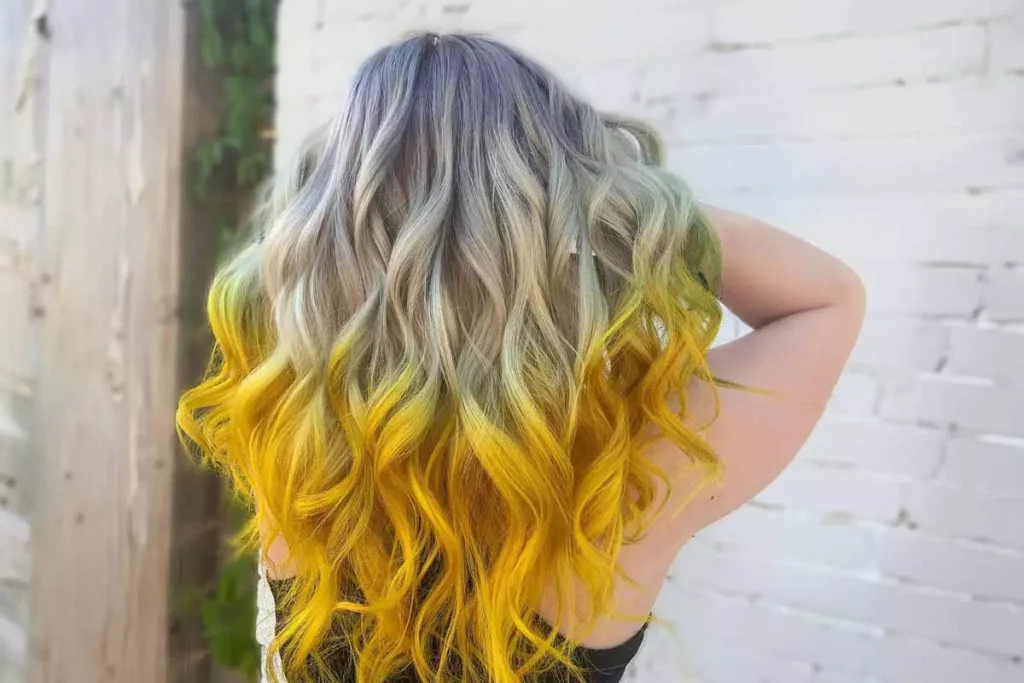
- Bold Balayage: Bright or vibrant colors can be incorporated into a balayage for a more statement-making appearance.
3. Ombre
Ombre is a gradient technique where the color gradually transitions from dark at the roots to light at the tips. The key to a successful ombre is smooth blending between the shades, so the transition appears natural. Ombre can be done with blonde, red, or even pastel shades, giving you endless options.
- Traditional Ombre: Dark roots with lighter ends, often transitioning from brown to blonde.
- Reverse Ombre: Lighter roots with darker tips, creating a dramatic contrast.
4. All-Over Color
All-over color is a classic hair dyeing technique where the entire head of hair is colored in one uniform shade. This is a great option if you’re looking for a full transformation or want to cover grays completely. It can be done with permanent or semi-permanent dye, depending on your desired results.
5. Color Melting
Color melting is similar to balayage and ombre but involves seamless blending of multiple shades from roots to tips. This technique creates a soft gradient effect with a multi-dimensional look. Color melting is great for those looking for a rich, vibrant color without harsh lines or contrasts.
4. Maintaining Hair Health After Coloring: How to Protect and Nourish Hair Post-Coloring
Coloring your hair can take a toll on its health, especially if you use harsh chemicals or bleach. To maintain healthy, vibrant hair after coloring, follow these key aftercare tips:
1. Deep Conditioning
Colored hair requires extra hydration to restore moisture and keep it from becoming dry or brittle. Regular deep conditioning treatments are essential to replenish lost moisture and nourish the hair. Look for conditioners that are rich in oils, proteins, and hydrating ingredients like argan oil, shea butter, and keratin.
2. Avoid Heat Styling
Excessive heat styling can cause further damage to color-treated hair. Limit the use of hot tools like straighteners, curling irons, and blow dryers. If you must use them, always apply a heat protectant to minimize damage.
3. Trim Regularly
Regular trims are essential to keeping your color looking fresh and preventing split ends from affecting your hair’s overall health. Aim for a trim every 6-8 weeks to maintain healthy hair ends.
4. Protect From the Sun
Just like your skin, your hair can be damaged by UV rays. When you’re out in the sun, wear a hat or use hair care products that contain UV protection to shield your hair from sun-induced fading and dryness.
5. Product Recommendations: Best Hair Care Products for Colored Hair
To keep your color vibrant and your hair healthy, invest in products specifically designed for colored hair. These products help preserve color while nourishing and protecting your strands:
1. Color-Safe Shampoo
Look for sulfate-free, color-safe shampoos that won’t strip the color from your hair. Shampoos that contain ingredients like aloe vera, glycerin, and vitamin E are gentle on color-treated hair while promoting hydration.
2. Moisturizing Conditioners
Opt for conditioners that are hydrating and formulated for color-treated hair. They should provide deep moisture without weighing your hair down.
3. Leave-In Conditioners
Leave-in conditioners help lock in moisture and provide extra protection throughout the day. They also help detangle hair and prevent frizz, making it easier to style.
4. Color-Depositing Products
If you want to refresh or maintain your color between salon visits, color-depositing shampoos or conditioners can help. These products subtly add pigment back into your hair, helping to maintain vibrancy without the need for a full dye session.
6. Conclusion: Tips for Keeping Your Color Vibrant and Healthy
Achieving the perfect shade of hair color requires thoughtful consideration of your skin tone, lifestyle, and hair health. By choosing the right color and technique, you can achieve a stunning new look that complements your natural beauty. And by following proper aftercare routines, using the right products, and protecting your hair from damage, you can keep your color vibrant, healthy, and long-lasting.
Hair coloring is a fun and creative way to express yourself, and with the right techniques and maintenance, your color can stay as beautiful as the day it was done.