



























Achieving the perfect balance between hydration and oil is one of the most important aspects of maintaining healthy skin. Whether your skin is dry, oily, combination, or sensitive, understanding how to provide adequate moisture without triggering excess oil production is essential. Many people mistakenly equate oiliness with hydration or avoid moisturizing entirely, which can exacerbate skin problems. By assessing your skin type, selecting appropriate products, making seasonal adjustments, and following effective routine tips, you can achieve a well-balanced, radiant complexion year-round.
Assessing Your Skin Type
Before addressing hydration and oil balance, it is critical to understand your skin type:
- Normal Skin
- Even texture, minimal blemishes, and balanced oil production.
- Rarely experiences excessive dryness or shine.
- Requires lightweight hydration and basic protection.
- Dry Skin
- Tightness, flakiness, and dullness are common.
- Oil production is often low, and the skin barrier may be compromised.
- Needs richer, emollient-based moisturizers and humectants to lock in water.
- Oily Skin
- Excess sebum leads to shine, enlarged pores, and a tendency toward acne.
- Often misinterpreted as needing less hydration.
- Benefits from lightweight, water-based moisturizers that maintain hydration without clogging pores.
- Combination Skin
- Oiliness in the T-zone with dryness or normal skin elsewhere.
- Requires strategic placement of different products to balance areas.
- Lightweight gels for oily zones and richer creams for dry areas work well.
- Sensitive Skin
- Prone to redness, irritation, and reactions to harsh ingredients.
- Needs gentle, fragrance-free hydration and careful layering of oil and water-based products.
Conducting a simple test—such as observing how your skin feels a few hours after cleansing or applying moisturizer—can help determine whether your skin is properly hydrated or producing compensatory oil.
Product Selection for Balanced Skin
Choosing the right products is crucial for maintaining hydration while controlling oil:
- Hydrating Ingredients
- Hyaluronic Acid: Attracts and retains water in the skin without adding greasiness.
- Glycerin: Humectant that improves water retention and softens the skin.
- Aloe Vera and Panthenol: Soothes and hydrates sensitive or dry areas.
- Emollients and Oils
- Squalane, Jojoba Oil, and Ceramides: Reinforce the skin barrier and lock in moisture.
- Non-comedogenic oils are preferred for oily or acne-prone skin to avoid clogged pores.
- Moisturizer Types by Skin Type
- Dry Skin: Rich creams with occlusive agents like shea butter or ceramides.
- Oily Skin: Gel-based or water-based lotions with light humectants.
- Combination Skin: Layer lightweight gels on the T-zone and richer creams on cheeks.
- Sensitive Skin: Fragrance-free, calming formulas with barrier-repairing ingredients.
- Special Considerations
- Lightweight serums can provide hydration without adding oil.
- Avoid over-reliance on mattifying products, which can dehydrate skin and trigger compensatory oil production.

Seasonal Adjustments for Hydration and Oil Balance
Skin needs change with environmental conditions, making seasonal adjustments essential:
- Spring
- Moderate temperatures and humidity require balanced hydration.
- Lightweight moisturizers with antioxidants can protect skin from environmental stress.
- Summer
- High humidity can increase oil production and sweat.
- Opt for oil-free, non-comedogenic gels or serums to maintain hydration without greasiness.
- Hydrating mists can refresh skin during hot days.
- Fall
- Cooling temperatures and lower humidity start to dry the skin.
- Gradually introduce richer creams or layering with hydrating serums.
- Include barrier-repairing ingredients like ceramides to prevent dryness.
- Winter
- Cold, dry air and indoor heating can deplete moisture and compromise the skin barrier.
- Use occlusive creams, facial oils, or heavier moisturizers to lock in hydration.
- Avoid hot showers that strip natural oils, worsening dryness.
Routine Tips for Maintaining Hydration and Oil Balance
- Cleansing
- Choose gentle, pH-balanced cleansers that remove impurities without stripping natural oils.
- Avoid harsh foaming or sulfated cleansers, which trigger overproduction of oil in response to dryness.
- Layering Hydration
- Apply water-based serums first to penetrate the skin, then lock in moisture with creams or oils.
- Multi-layering allows for tailored hydration depending on skin type and environment.
- Targeted Treatments
- Incorporate niacinamide to regulate sebum production and reduce inflammation.
- Use retinoids or exfoliating acids moderately to manage oiliness and improve texture.
- Sun Protection
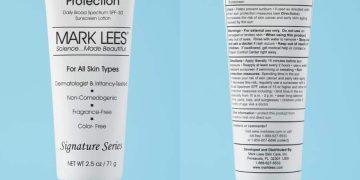
- Broad-spectrum SPF prevents environmental stressors that can exacerbate oiliness or dryness.
- Lightweight, non-greasy formulations are preferable for daily use.
- Hydration Beyond Skincare
- Drink adequate water and consume water-rich foods to support internal hydration.
- Avoid excessive caffeine or alcohol, which can dehydrate the skin.
- Consistent Observation
- Monitor skin changes over days or weeks and adjust product types, amounts, or frequency accordingly.
- Avoid overloading the skin with multiple heavy products if oiliness increases.
Common Mistakes and How to Avoid Them
- Skipping Moisturizer for Oily Skin: Dehydrated skin can produce more oil, worsening shine and breakouts.
- Overusing Oil-Control Products: Excessive mattifying or astringent products can disrupt the skin barrier.
- Neglecting Seasonal Changes: Using the same routine year-round may lead to dryness or overproduction of oil.
- Ignoring Layering Techniques: Not applying lightweight hydration before heavier moisturizers can reduce efficacy.
- Using Incompatible Products Together: Some exfoliants or retinoids combined with strong oils may irritate the skin.
Final Thoughts
Balancing hydration and oil is essential for maintaining healthy, resilient skin across all types and seasons. By understanding your skin type, selecting appropriate products, adjusting routines based on environmental changes, and layering hydration strategically, you can achieve a radiant complexion without excess shine or dryness. Observing your skin’s response and making thoughtful adjustments ensures that hydration supports skin health while controlling oil production. Consistency, patience, and tailored product choices are the key to mastering the balance between moisture and oil.