


























Men’s skin differs from women’s in several physiological and functional ways, making a tailored approach essential for optimal skin health. Despite the growing popularity of men’s grooming products, many men still struggle with choosing the right skincare routine or integrating it into daily life. Understanding the unique characteristics of male skin, creating a simplified routine, selecting appropriate products, and incorporating beard care can lead to healthier, clearer, and more resilient skin. This guide explores these considerations in detail and provides practical advice for men’s skincare.
Key Differences Between Male and Female Skin
- Thicker Skin
- Male skin is generally 20–25% thicker than female skin, especially in the dermis.
- The increased thickness can make wrinkles less noticeable initially but can also make absorption of topical products slightly slower.
- Higher Sebum Production
- Testosterone stimulates sebaceous glands, leading to oilier skin.
- This can increase the risk of acne, shine, and enlarged pores, particularly in the T-zone.
- More Collagen and Elasticity
- Men have higher collagen density, which contributes to firmer, more resilient skin in youth.
- Collagen levels decline more gradually, which can delay visible signs of aging but may result in more pronounced changes later in life.
- Facial Hair Considerations
- Beard and mustache areas create unique challenges for cleansing, moisturizing, and exfoliating.
- Hair follicles can trap dirt, oil, and dead skin cells, leading to ingrown hairs or acne.
- Differences in Aging Patterns
- Men are more prone to horizontal forehead lines, crow’s feet, and deepening of nasolabial folds due to facial movements and thicker skin.
- Sun damage and lifestyle factors like shaving frequency influence aging patterns.
Understanding these differences is the first step toward designing an effective routine that addresses male skin’s specific needs.
Building a Simplified Skincare Routine for Men
Men often prefer routines that are quick, efficient, and effective. A minimal yet comprehensive routine can address cleansing, hydration, protection, and treatment.
- Cleansing
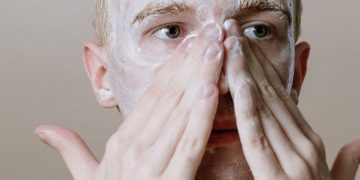
- Use a gentle, non-stripping cleanser twice daily to remove oil, dirt, and sweat.
- For men with acne-prone skin, consider a cleanser with salicylic acid to unclog pores.
- Avoid harsh soaps, which can strip natural oils and trigger overproduction of sebum.
- Exfoliation
- Exfoliate 1–3 times per week depending on skin type and sensitivity.
- Chemical exfoliants (AHAs, BHAs) can be more effective and less abrasive than physical scrubs.
- Focus on areas prone to ingrown hairs or clogged pores, such as the beard line.
- Moisturizing
- Use lightweight, non-comedogenic moisturizers for daytime; richer creams can be used at night if needed.
- Products containing hyaluronic acid, glycerin, or squalane help maintain hydration without adding excessive oil.
- Sun Protection
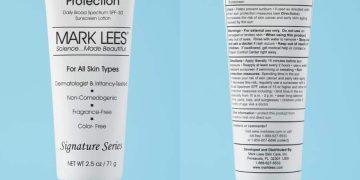
- Broad-spectrum SPF 30 or higher is essential to prevent premature aging, hyperpigmentation, and skin cancer.
- Mineral-based sunscreens may be preferred for sensitive or acne-prone skin.
- Targeted Treatments
- Incorporate serums or creams for specific concerns like acne, dark spots, or fine lines.
- Niacinamide, retinol, or vitamin C serums can be added to the routine gradually for enhanced results.
Product Selection Tips for Men
Choosing the right products is critical for compliance and effectiveness.
- Multi-Functional Products
- Men often prefer products that serve multiple purposes, such as moisturizers with SPF or cleansers that also exfoliate.
- Look for lightweight formulations that absorb quickly and leave minimal residue.
- Non-Comedogenic Formulas
- Men’s skin tends to be oilier; non-comedogenic products prevent clogged pores and breakouts.
- Fragrance Considerations
- Strongly scented products can irritate sensitive skin.
- Opt for subtle fragrances or fragrance-free options, particularly for those with sensitive or acne-prone skin.
- Consistency and Ease of Use
- Choose products with clear instructions and minimal steps to encourage daily adherence.
- Packaging that is convenient for the shower or travel increases routine consistency.

Integrating Beard Care Into Skincare
Beard care is an essential component of male skincare that affects overall skin health:
- Cleansing the Beard
- Use a gentle beard shampoo or cleanser to remove trapped oil, dirt, and sweat.
- Avoid harsh soaps that dry the skin beneath the beard.
- Exfoliating Under the Beard
- Exfoliation helps prevent ingrown hairs and folliculitis.
- Chemical exfoliants or soft brushes can be used carefully under the beard.
- Moisturizing and Beard Oils
- Apply beard oils or leave-in conditioners to keep hair soft and skin hydrated.
- Products with natural oils like jojoba, argan, or grapeseed oil nourish both hair and skin.
- Shaving Considerations
- Use sharp, clean razors to reduce irritation and prevent razor burn.
- Shaving gels or creams with soothing ingredients like aloe vera can protect sensitive areas.
- Moisturize immediately after shaving to restore the skin barrier.
Common Skincare Mistakes Men Should Avoid
- Skipping Sunscreen
- UV exposure accelerates aging and increases the risk of hyperpigmentation.
- Over-Cleansing
- Excessive washing can strip oils, causing rebound sebum production and irritation.
- Ignoring the Neck and Hands
- These areas are often neglected but are prone to sun damage and signs of aging.
- Overusing Harsh Actives
- Introducing multiple strong treatments simultaneously can cause redness, peeling, or irritation.
- Start slowly and monitor skin response.
- Neglecting Hydration
- Oily skin still requires moisturizing; skipping hydration can worsen skin imbalance.
Practical Tips for Maintaining Consistency
- Morning and Evening Routines: Keep morning routines short with cleansing, hydration, SPF, and optional treatment. Evening routines can include deeper treatments, richer moisturizers, and exfoliation on selected days.
- Simplify Product Lines: A cleanser, moisturizer, sunscreen, and one targeted treatment often suffice.
- Track Progress: Regularly assess skin changes to adjust routines as needed.
- Lifestyle Factors: Hydration, a balanced diet, exercise, and sleep significantly impact skin health.
Final Thoughts
Men’s skin requires targeted care that considers its unique structure, oiliness, and aging patterns. By creating a simplified routine, choosing appropriate products, and integrating beard care into daily habits, men can achieve healthier, clearer, and more resilient skin. Consistency, understanding product function, and addressing specific concerns without overcomplicating the regimen are key to maintaining long-term skin health. A thoughtful approach to skincare empowers men to protect, repair, and enhance their skin’s appearance efficiently and effectively.