

























For those with sensitive skin, the simple act of applying sunscreen can feel like a high-stakes gamble. Will it provide adequate protection? Or will it trigger redness, itching, or a painful breakout? The quest for a sunscreen that defends without distressing is a common struggle. The answer lies not in avoiding sun protection altogether—a dangerous prospect—but in understanding the unique needs of your skin and navigating the world of sunscreens with a discerning eye. So, what truly is the best sunscreen for sensitive skin, and how do you choose the perfect formula?
The consequences of getting it wrong are significant. Sun damage is cumulative, and forgoing protection accelerates photoaging, increases the risk of skin cancer, and can exacerbate conditions like rosacea and melasma. Therefore, finding a suitable sunscreen isn’t a matter of cosmetic preference; it’s a crucial component of skin health. This guide will demystify the process, breaking down the fundamental differences between sunscreen types, offering practical application tips, outlining a proper frequency schedule, and providing a roadmap to avoid irritation, empowering you to enjoy the sun safely.
The Fundamental Divide: Chemical vs. Physical Sunscreens
The first and most critical decision in your sunscreen journey is understanding the two primary categories: chemical and physical (mineral). Their mechanisms of action, ingredients, and effects on the skin are profoundly different.
Physical (Mineral) Sunscreen: The Gentle Guardian
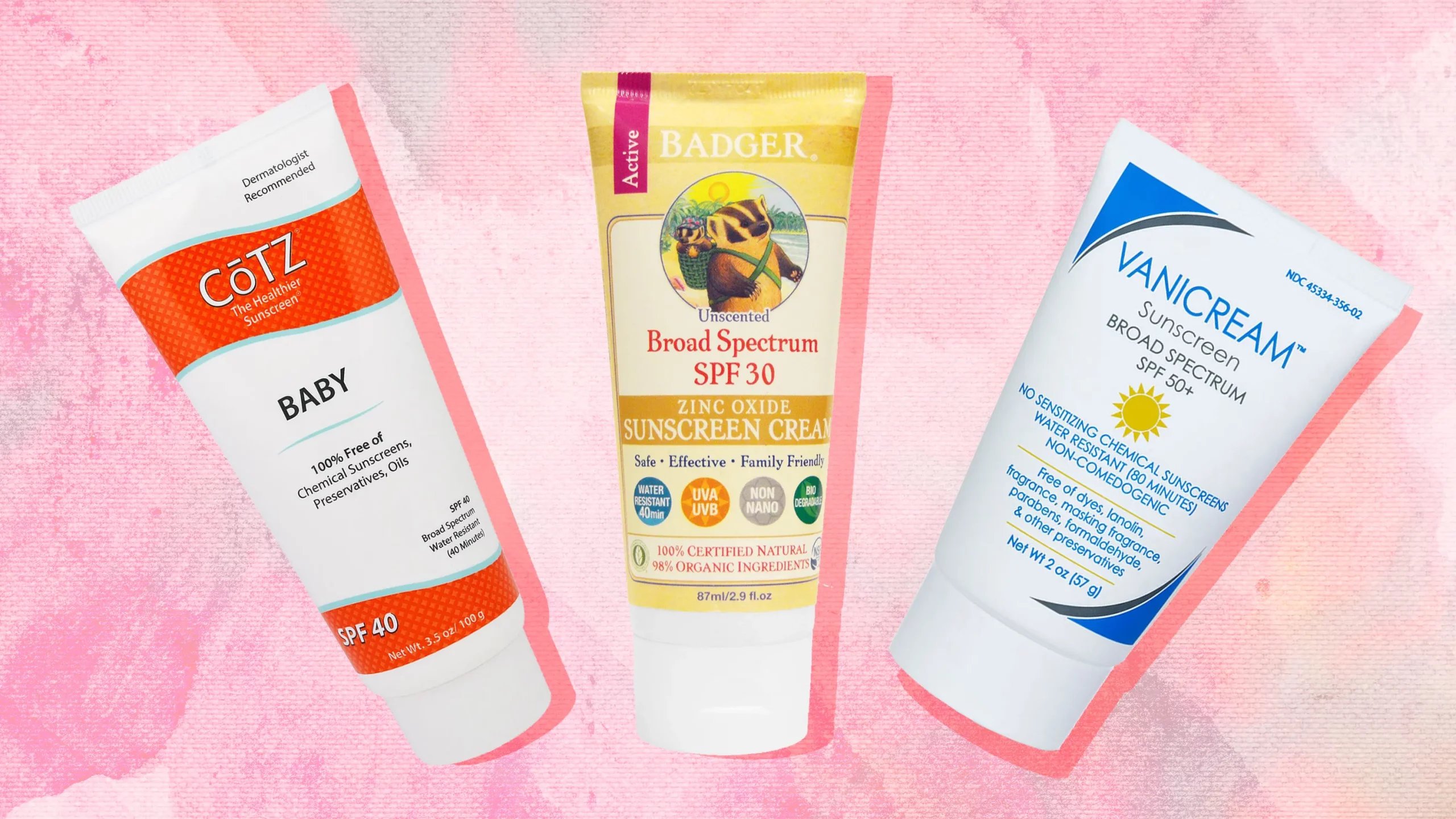
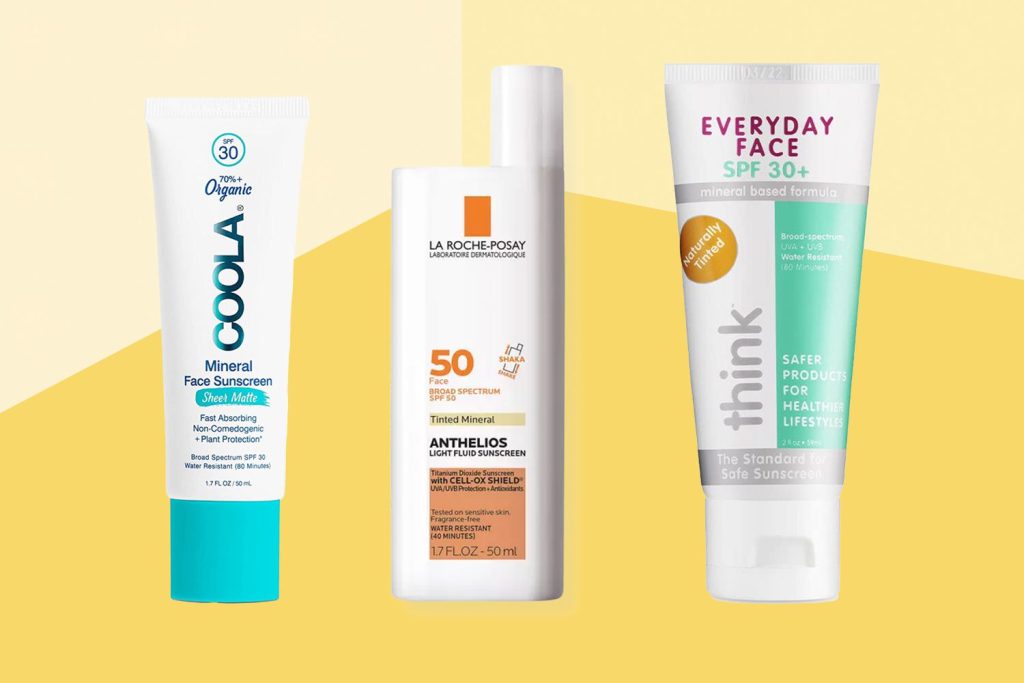
Often hailed as the gold standard for sensitive skin, physical sunscreens act like a protective shield on the surface of your skin. They contain two main active ingredients: Zinc Oxide and Titanium Dioxide. These minerals work by sitting on top of the skin and creating a physical barrier that reflects and scatters harmful UVA and UVB rays away from the skin, much like a tiny mirror.
- Why it’s often best for sensitive skin:
- Less Irritating: The ingredients are generally inert and non-penetrating, meaning they are far less likely to cause allergic reactions or irritation.
- Broad-Spectrum Protection: Zinc Oxide, in particular, is renowned for providing excellent and immediate broad-spectrum protection against the entire range of UVA (aging) and UVB (burning) rays.
- Works Immediately: Upon application, it is effective. There is no need to wait for it to “absorb” before sun exposure.
- Ideal for Reactive Skin: Its gentle nature makes it suitable for those with rosacea, eczema, and acne-prone skin.
- Potential Drawbacks:
- White Cast: The most common complaint is the whitish or purplish cast it can leave on the skin, especially on deeper skin tones. However, modern “micronized” or “tinted” formulations have significantly improved this issue.
- Can Feel Heavier: Some traditional formulas can be thicker and feel less cosmetically elegant than their chemical counterparts, though many new lightweight, fluid-like mineral sunscreens are now available.
Chemical Sunscreen: The Energy Converter
Chemical sunscreens function like a sponge. They contain organic (carbon-based) compounds such as Oxybenzone, Avobenzone, Octinoxate, and Homosalate. These formulas absorb into the skin and then absorb UV radiation. Once the rays are absorbed, these ingredients convert the light energy into heat, which is then released from the skin.
- Why it can be problematic for sensitive skin:
- Higher Irritation Potential: The chemical reaction that occurs and the fact that these ingredients are designed to be absorbed into the skin can lead to redness, stinging, and allergic contact dermatitis in reactive individuals.
- Heat Generation: The process of converting UV rays to heat can exacerbate conditions like rosacea, which is triggered by heat and flushing.
- Concerns about Systemic Absorption: Some studies have shown that certain chemical filters can be absorbed into the bloodstream in measurable amounts, though the long-term health implications are still being studied. This is a significant concern for many with sensitive skin.
- Advantages:
- Cosmetically Elegant: Chemical sunscreens are often sheer, lightweight, and absorb completely without a white cast, making them preferable for daily wear under makeup for many people without sensitivity issues.
- Spreadability: They are typically easier to rub in thoroughly.
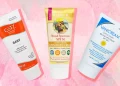
The Verdict: For the vast majority of people with sensitive, reactive, or allergy-prone skin, physical/mineral sunscreens are the unequivocally safer and recommended choice. Their gentle, surface-level action minimizes the risk of adverse reactions.
Mastering the Application: Tips for a Flawless Finish
Applying sunscreen correctly is just as important as choosing the right one. Improper application can lead to inadequate protection and even irritation.
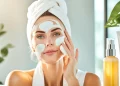
- Start with a Clean, Moisturized Base: Always apply sunscreen to clean skin. If you use a moisturizer, let it absorb fully for a few minutes before applying your sunscreen. This creates a smooth canvas and can help prevent pilling.
- The “Two-Finger” Rule for the Face and Neck: To ensure you’re using enough product, squeeze a line of sunscreen onto your index and middle finger, from the base to the tip. This amount is generally sufficient for your face, ears, and neck. Most people under-apply by half, drastically reducing the SPF protection.
- Dot and Pat, Don’t Rub Vigorously: Especially with mineral sunscreens, the goal is to create an even film. Dot the sunscreen all over your face, then gently pat and press it into the skin. Avoid aggressive rubbing, which can disrupt the protective layer and irritate sensitive skin.
- Don’t Forget the “High-Risk” Areas: The ears, the back of the neck, the hairline, around the eyes (use a gentle, specific eye cream if needed), and the tops of your feet are commonly missed spots.
- Wait Before Dressing or Applying Makeup: Give your sunscreen a few minutes to dry down and form a uniform protective film before putting on clothing or applying makeup. This prevents the product from being wiped away.
The Rhythm of Protection: How Often to Reapply
Sunscreen is not a “apply once and forget” product. Its efficacy diminishes over time due to exposure to sunlight, sweat, and water.
- The Golden Rule: Reapply sunscreen every two hours when you are outdoors.
- After Water Exposure: Reapply immediately after swimming, toweling off, or any activity that causes heavy sweating. Even “water-resistant” sunscreens have a time limit (usually 40 or 80 minutes), so check the label.
- Daily Indoor Life: If you are indoors, away from windows, a single application in the morning is likely sufficient. However, if you sit near a sunny window or are spending significant time in your car, reapplying every 4-6 hours is a good practice.
- Over Makeup? This is a common challenge. Solutions include using a powder sunscreen with SPF, a lightweight SPF setting spray, or gently patting a small amount of a liquid sunscreen formula over your makeup. The best practice, however, is to reapply your regular sunscreen, which may mean adjusting your makeup routine for extended outdoor exposure.
Your Blueprint for Avoiding Irritation
Choosing a gentle formula is the first step; ensuring it stays gentle on your skin requires a strategic approach.
- Scrutinize the Ingredient List:
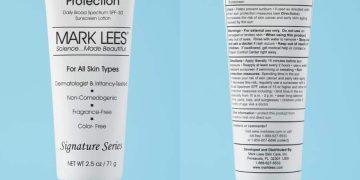
- Fragrance is the #1 Foe: Always choose “Fragrance-Free.” Both synthetic perfumes and natural essential oils are common irritants and allergens.
- Avoid Alcohol: High concentrations of denatured alcohol can be drying and stripping, compromising the skin barrier. Look for alcohol-free formulas.
- Seek Soothing Additives: Look for beneficial ingredients like Niacinamide (to calm redness and strengthen the barrier), Ceramides (to repair the skin barrier), Panthenol (Pro-Vitamin B5), and Centella Asiatica (Cica), which all have anti-inflammatory properties.
- Patch Test Religiously: Before slathering a new sunscreen all over your face, do a patch test. Apply a small amount to a discreet, sensitive area like the side of your neck or behind your ear for 3-5 consecutive days. Monitor for any signs of redness, itching, or swelling.
- Embrace Simplicity: The fewer extraneous ingredients, the better. A minimalist formula with Zinc Oxide and Titanium Dioxide as the active ingredients, plus a few supportive, gentle components, is often the most successful.
- Consider Tinted Formulas: Tinted mineral sunscreens use iron oxides to neutralize the white cast. Beyond aesthetics, iron oxides also protect against High Energy Visible (HEV) blue light, which can contribute to hyperpigmentation and melasma.
- Listen to Your Skin: If a product stings, burns, or itches upon application, remove it immediately. Your skin is sending a clear signal that this formula is not for you.
Conclusion
The best sunscreen for sensitive skin is not a single, mythical product, but a carefully selected formula that aligns with your skin’s specific needs. By prioritizing physical (mineral) sunscreens with Zinc Oxide, mastering a gentle application technique, adhering to a strict reapplication frequency, and diligently avoiding common irritants like fragrance, you can transform sun protection from a source of anxiety into a seamless, effective, and comfortable part of your daily routine. Your sensitive skin deserves unwavering protection without the reaction, and with the right knowledge, it is entirely achievable.