





















In recent years, the quest for youthful, lifted skin has led many people to explore alternatives to traditional surgical facelifts. Non-surgical facelifts, sometimes referred to as “liquid facelifts” or “non-invasive facelifts,” have gained immense popularity due to their minimal downtime, lower costs, and relatively lower risk profile. But how exactly do these procedures work, who are the ideal candidates, and what can patients realistically expect? In this article, we will dive deep into the various non-surgical facelift methods, their mechanisms, benefits, limitations, and considerations.
Types of Non-Surgical Facelifts
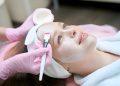
Non-surgical facelifts are not a single treatment but rather a category of procedures that aim to lift, tighten, and rejuvenate the skin without incisions. The main types include ultrasound therapy, radiofrequency treatments, and thread lifts.
1. Ultrasound Facelifts
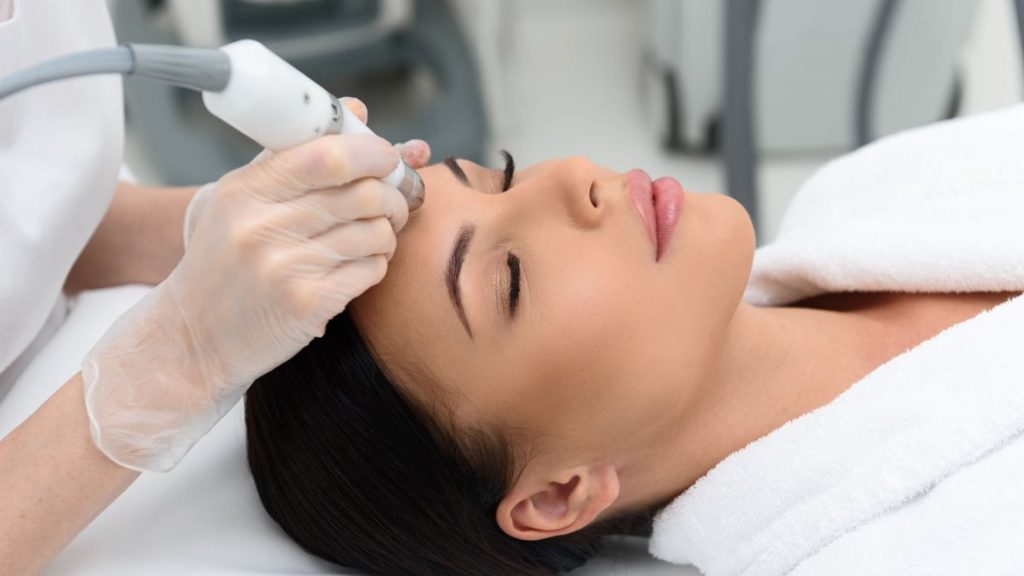
Ultrasound-based facelifts, often associated with technologies such as Ultherapy®, use focused ultrasound energy to penetrate deep into the skin layers. This energy stimulates collagen production in the SMAS (superficial musculoaponeurotic system) layer, which is the same layer surgeons manipulate during traditional facelifts.
- Mechanism: Ultrasound waves bypass the skin’s surface and target the deep tissue, causing controlled thermal injury that triggers natural healing and collagen synthesis.
- Treatment Areas: Commonly used on the brow, jawline, neck, and under the chin.
- Session Duration: Typically 45–90 minutes, depending on the area treated.
- Recovery: Minimal; mild redness or swelling may occur but usually resolves within a few days.
2. Radiofrequency (RF) Facelifts
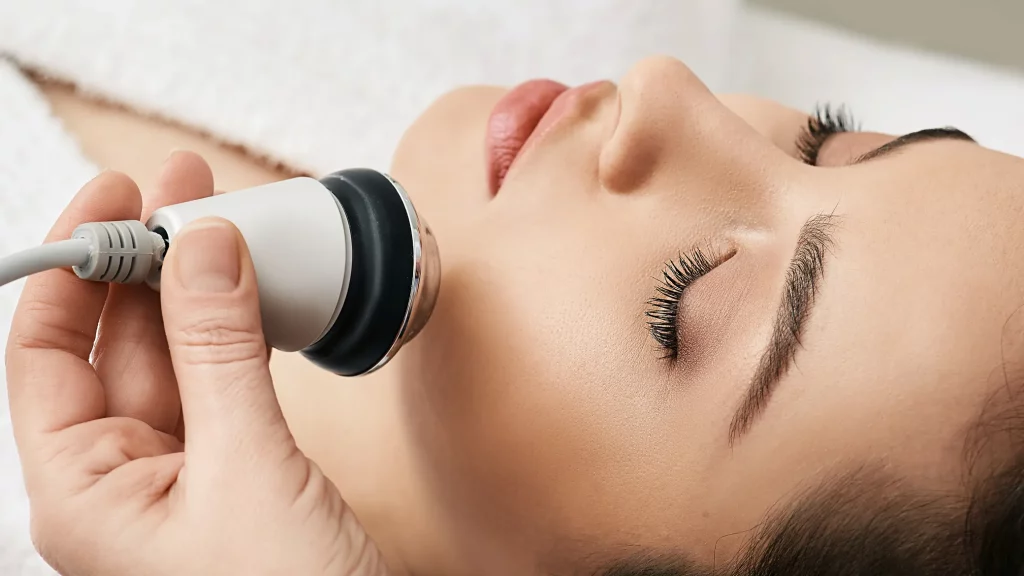
Radiofrequency facelifts involve the use of energy waves to heat the dermis, which encourages collagen remodeling and elastin tightening. RF treatments are versatile and can be combined with microneedling for enhanced results.
- Mechanism: RF energy penetrates the dermis, causing controlled heating and contraction of collagen fibers while stimulating new collagen formation.
- Treatment Areas: Full face, jawline, cheeks, and neck.
- Session Duration: Typically 30–60 minutes per session.
- Recovery: Minimal downtime; mild tingling or redness may occur.
3. Thread Lifts
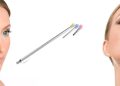
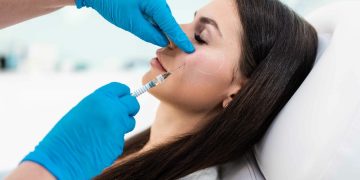
Thread lifts are slightly more invasive than ultrasound or RF but still considered non-surgical. They involve inserting dissolvable threads under the skin to lift and reposition sagging tissue. Threads are usually made of polydioxanone (PDO) or polylactic acid.
- Mechanism: Threads physically lift sagging skin and, over time, stimulate collagen production along their path, offering longer-lasting effects.
- Treatment Areas: Cheeks, jowls, neck, and brow area.
- Session Duration: Around 30–60 minutes, depending on the number of threads used.
- Recovery: Mild swelling or bruising may last up to a week.
How Non-Surgical Facelifts Work
Despite the differences in methodology, all non-surgical facelift procedures rely on one fundamental principle: stimulating collagen production and, in some cases, physically repositioning soft tissue.
- Collagen Stimulation: Collagen is the structural protein that keeps skin firm and elastic. As we age, collagen production declines, leading to sagging and wrinkles. Non-surgical treatments accelerate collagen production, gradually lifting and tightening the skin.
- Skin Tightening: Heat-based methods like ultrasound and RF cause collagen fibers to contract, resulting in immediate skin tightening.
- Tissue Repositioning: Thread lifts provide mechanical support by lifting sagging tissue, while also inducing collagen growth along the threads’ path for longer-term improvement.
The effects are generally gradual, with visible improvement appearing over weeks to months as collagen builds up. Unlike surgical facelifts, non-surgical options do not remove excess skin, meaning their lifting effect is more subtle and best suited for mild to moderate sagging.
Ideal Candidates
Not everyone is an ideal candidate for a non-surgical facelift. Success largely depends on age, skin condition, and aesthetic goals.
- Best Candidates:
- Individuals in their late 30s to early 50s with mild to moderate sagging.
- Those with good skin elasticity who want subtle, natural-looking results.
- Patients seeking minimal downtime and lower risk alternatives to surgery.
- Less Ideal Candidates:
- People with severe sagging or excess skin may not achieve noticeable results without surgery.
- Individuals with certain medical conditions affecting skin healing, such as connective tissue disorders, may face higher risks.
- Patients expecting dramatic or immediate results may be disappointed.
A qualified aesthetic practitioner will assess skin laxity, facial structure, and desired outcomes to recommend the most appropriate treatment.
Risks and Side Effects
Non-surgical facelifts are generally safe when performed by trained professionals. However, some side effects and risks exist, which vary depending on the procedure:
Ultrasound & RF Risks
- Mild redness, swelling, or tenderness at the treatment site
- Temporary tingling or numbness
- Rare: superficial burns or nerve irritation
Thread Lift Risks
- Bruising or swelling
- Mild discomfort or tenderness
- Infection at the insertion site (rare)
- Asymmetry or thread migration (rare)
It’s important to follow post-treatment instructions, avoid strenuous exercise immediately after the procedure, and consult a practitioner if unusual symptoms persist.
Expected Outcomes and Maintenance
Non-surgical facelifts provide gradual improvements rather than the dramatic results of surgical facelifts. Results typically include:
- Smoother, firmer skin
- Reduced appearance of fine lines and mild wrinkles
- Lifted cheeks, jawline, or brows
- Improved skin texture and elasticity
Longevity of Results
- Ultrasound treatments: 12–18 months
- RF treatments: 6–12 months
- Thread lifts: 12–24 months
Maintenance often involves follow-up sessions to prolong results. Combining treatments (e.g., RF with threads) can enhance longevity and achieve more noticeable outcomes.
Advantages of Non-Surgical Facelifts
- Minimal downtime
- Lower cost than surgical facelifts
- Lower risk of complications
- Gradual, natural-looking improvement
- Can be combined with injectables like dermal fillers or Botox for a more complete rejuvenation
Limitations Compared to Surgical Facelifts
- Results are more subtle and less dramatic
- Cannot remove excess skin
- Multiple sessions may be required for optimal results
- Effects are temporary and require maintenance
- Not suitable for severe sagging or significant facial volume loss
Conclusion
Non-surgical facelifts offer a compelling alternative for individuals seeking subtle facial rejuvenation without surgery. By using advanced technologies like ultrasound, RF, and threads, these treatments stimulate collagen production, tighten skin, and lift soft tissues gradually. Ideal candidates are those with mild to moderate sagging who value minimal downtime and natural results. While side effects are typically mild, understanding the limitations and expected outcomes is crucial for setting realistic expectations.
Ultimately, non-surgical facelifts are best viewed as a complement to good skincare and healthy lifestyle habits rather than a permanent replacement for surgical facelifts. Consulting a qualified aesthetic practitioner ensures personalized treatment and optimal results.