




















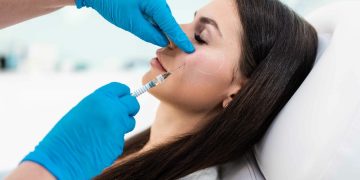
In the ever-evolving world of dermatology and aesthetic medicine, few treatments have bridged the gap between clinical efficacy and at-home popularity as effectively as microneedling. Also known as collagen induction therapy, this procedure involves precisely creating thousands of microscopic channels in the skin. But how can intentionally causing controlled injury lead to rejuvenation, smoothing, and healing? The answer lies in the skin’s incredible, innate ability to repair itself. This isn’t merely a surface-level scratch; it’s a deep dive into the skin’s biology, triggering a complex and powerful wound-healing cascade that results in the production of new, healthy skin. Let’s explore the journey of this innovative procedure from its fundamental mechanism to its transformative results.
Procedure Overview: The Art of Controlled Injury
Microneedling can be performed in a dermatologist’s office with professional-grade devices or, in a less aggressive form, as an at-home treatment with derma rollers or pens. The core principle remains the same across all platforms.
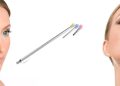
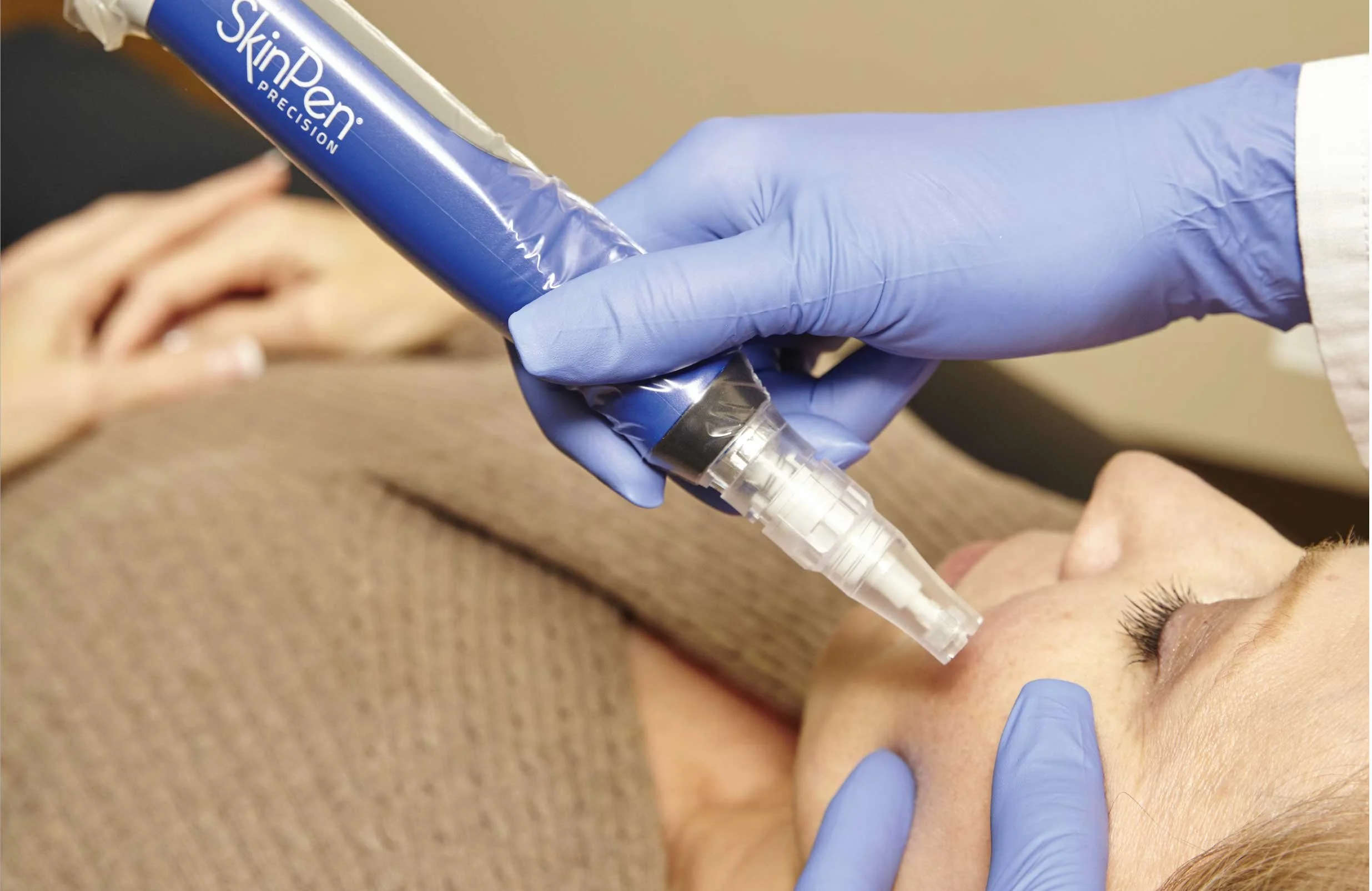
A microneedling device, whether a manual roller, an automated pen, or a sophisticated motorized system, is tipped with multiple fine, medical-grade steel or titanium needles. The length of these needles can be adjusted based on the treatment goal, typically ranging from 0.25 mm for superficial product penetration to 2.5 mm or more for deep scar revision.
The in-office procedure follows these key steps:
- Consultation and Preparation: The skin is thoroughly cleansed, and a topical numbing cream is applied for approximately 30-60 minutes to ensure patient comfort. This is a crucial step, especially when longer needle lengths are used.
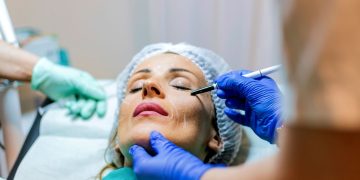
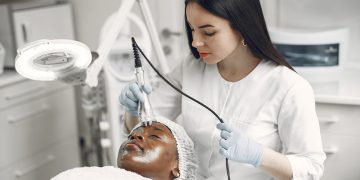
- The Treatment Itself: The numbing cream is removed, and the skin is cleaned again. A medical-grade serum, often containing hyaluronic acid, growth factors, or vitamins, may be applied to act as a glide and enhance results. The practitioner then methodically glides the microneedling device over the skin in a systematic pattern—typically horizontal, vertical, and diagonal passes—ensuring uniform coverage. The pen-like devices offer more precision and control than rollers, as the needle movement is a vertical piston-like action that minimizes dragging and skin tearing. As the needles penetrate the skin, they create these microscopic injuries.
- Post-Treatment Soothing: Immediately after the procedure, the skin is typically red and feels like a moderate sunburn. A calming serum, a hyaluronic acid mask, or a specific post-procedure cream is applied to soothe the skin and support the initial healing phase.
The entire process usually takes between 30 to 60 minutes, depending on the area being treated. The experience is characterized by a sensation of pressure and mild sandpaper-like friction, but it should not be acutely painful due to the effective numbing cream.
Mechanism of Collagen Stimulation: Unleashing the Body’s Healing Power
The true genius of microneedling is that it doesn’t do the work itself; it tricks the body into doing the work. The microscopic channels created by the needles are interpreted by the body as minor wounds. This triggers the body’s natural and sophisticated wound-healing process, which occurs in three overlapping phases:
- The Inflammatory Phase (Immediate – Day 2): The initial injury causes minor bleeding and the release of growth factors and cytokines. These are signaling molecules that act as a “call to arms,” attracting platelets and inflammatory cells to the site to begin the cleanup and repair process. This phase is responsible for the immediate redness and swelling post-treatment.
- The Proliferative Phase (Day 2 – Week 4): This is where the magic of collagen production happens. Fibroblasts, the star players in the skin’s dermis, are activated and recruited to the site of the micro-injuries. Here, they get to work producing massive amounts of new collagen and elastin fibers. Collagen provides structural support and firmness, while elastin gives the skin its snap-back resilience. Additionally, the process stimulates the formation of new capillaries (angiogenesis), improving blood supply and giving the skin a healthier glow. The creation of these micro-channels also dramatically enhances the penetration and efficacy of topical serums applied during or immediately after the procedure, as they can now bypass the outer barrier of the skin.
- The Remodeling Phase (Week 4 – Month 6+): This is a long-term phase where the newly laid-down collagen matures and reorganizes itself. The initial, somewhat disorganized collagen (Type III) is gradually replaced by stronger, more structured Type I collagen. This ongoing process of remodeling is what leads to continuous improvement in skin texture, firmness, and tightness for several months after the procedure.
By harnessing this natural cascade, microneedling effectively forces the skin to “re-build” itself from the inside out, resulting in a thicker, denser, and more youthful dermis.
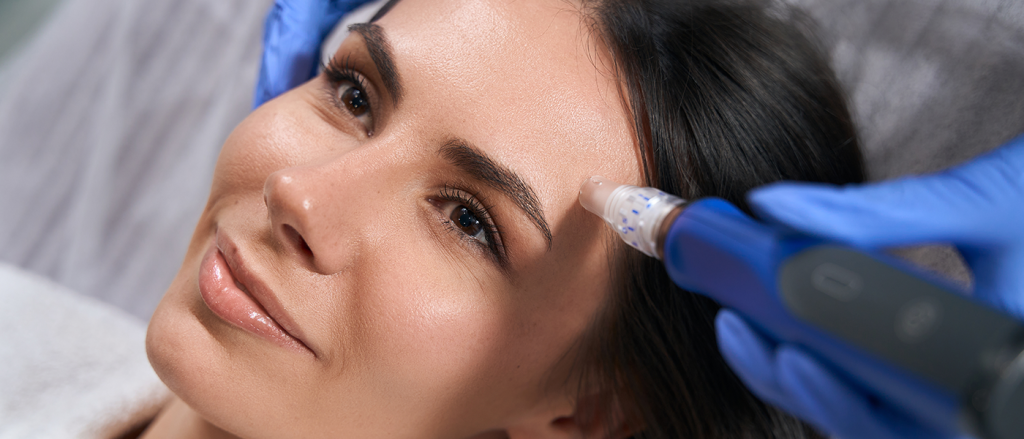
Indications and Expected Results: What Can Microneedling Truly Address?
The versatility of microneedling is one of its greatest strengths. Its ability to stimulate neocollagenesis makes it a powerful tool for a wide range of skin concerns.
- Scarring (Most Notably Acne Scars): This is one of the most common and effective indications for microneedling, particularly for atrophic or “rolling” scars. By building new collagen beneath the scar, the procedure helps to fill in and elevate these depressions, smoothing the skin’s surface. It is often considered a gold-standard treatment for mild to moderate acne scarring.
- Wrinkles and Fine Lines: As we age, collagen production naturally declines. Microneedling directly counters this by boosting collagen, leading to a noticeable reduction in the depth and severity of fine lines and wrinkles, resulting in smoother, plumper skin.
- Skin Texture and Pore Size: By promoting skin cell turnover and thickening the epidermis and dermis, microneedling can create a more refined skin texture. While it doesn’t “shrink” pores, the increased skin tightness and clearing of debris can make enlarged pores appear less noticeable.
- Hyperpigmentation and Sun Damage: The skin remodeling process can help to break up and disperse patches of excess melanin, improving the appearance of sun spots and other forms of hyperpigmentation for a more even skin tone.
- Laxity: The significant increase in collagen and elastin provides a subtle but noticeable “lifting” and tightening effect, improving the contour of the face, particularly around the jawline.
- Hair Loss: When applied to the scalp, microneedling has been shown to be an effective adjunct treatment for androgenetic alopecia. The micro-injuries stimulate blood flow and awaken dormant hair follicles, encouraging new hair growth.
It is critical to have realistic expectations. Results are not immediate and are cumulative. A single treatment will provide a “glow” from improved product penetration and mild collagen stimulation, but significant structural change typically requires a series of 3-6 sessions, spaced 4-6 weeks apart. The most dramatic results, particularly for scarring, continue to develop over 6-12 months as the collagen remodeling continues.
Risks and Complications: Navigating the Potential Pitfalls
While microneedling is considered a low-risk procedure when performed correctly, it is not without potential complications. The risk profile is heavily dependent on the skill of the practitioner, the sterility of the environment, and the device used.
- Common and Temporary Side Effects: These are part of the normal healing process and include redness, swelling, pinpoint bleeding, bruising, and skin sensitivity for 24-72 hours post-treatment. The skin will feel dry and tight as it heals.
- Less Common but More Serious Risks:
- Infection: This is the most significant risk. Using non-sterile equipment or improper aftercare can introduce bacteria, leading to infection. This is why at-home treatments with longer needles carry a higher risk.
- Post-Inflammatory Hyperpigmentation (PIH): Individuals with darker skin tones are more prone to this condition, where the skin responds to inflammation by producing excess melanin, leading to dark spots. This risk is mitigated by using appropriate needle depths and avoiding treatment on actively tanned skin.
- Skin Irritation and Allergic Reaction: This can occur from the topical numbing cream or the serums used during the procedure.
- Tearing and Scarring: This is typically associated with the use of low-quality, dull, or bent needles (common with overused derma rollers) or improper technique that drags the device across the skin.
- Granuloma Formation: In rare cases, the body can react to the implanted material from a serum, forming small, inflamed bumps.
The paramount precaution is to choose a qualified, experienced, and licensed medical professional for in-office treatments. They will use single-use, sterile needle cartridges and have the expertise to select the correct needle depth and technique for your specific skin concern and type.
Aftercare and Recovery Timeline: The Key to Optimal Results
What you do after a microneedling treatment is just as important as the procedure itself. The skin is in a vulnerable state, and proper aftercare is essential to support healing, maximize results, and prevent complications.
The First 24-72 Hours (The “Down Time”): The skin is an open wound. The primary goal is to soothe and protect.
- Use Gentle, Healing Products: Use only the gentle, hydrating, and healing products recommended by your provider. This typically includes a mild cleanser and a rich, occlusive moisturizer. Products with hyaluronic acid, ceramides, and peptides are ideal.
- Strict Sun Avoidance: The new skin is highly susceptible to UV damage. Stay out of the sun completely. If you must go outside, wear a wide-brimmed hat.
- Avoid Active Ingredients: Do not use any retinoids, alpha-hydroxy acids (AHAs), beta-hydroxy acids (BHAs), or vitamin C. These are too harsh for the compromised skin barrier.
- No Makeup: Avoid applying makeup for at least 24 hours to allow the micro-channels to close and prevent clogging or irritation.
- Avoid Strenuous Exercise and Heat: Sweat and heat can irritate the skin and increase the risk of infection.
Days 3-7 (The Peeling and Flaking Phase): The initial redness has subsided, and the skin may begin to feel dry and tight, followed by flaking or slight peeling. This is a normal part of the process as the damaged outer layers of skin shed.
- Continue Gentle Care: Keep the skin moisturized. Do not pick, scratch, or exfoliate the flaking skin.
- Reintroduce Sunscreen: Once the skin is no longer an open wound, begin applying a high-SPF, mineral-based broad-spectrum sunscreen every day without fail.
Week 2 and Beyond (The Glow and Beyond): The flaking has stopped, revealing fresh, new skin underneath. You will likely notice a “glow” and improved texture. This is when you can slowly reintroduce your regular skincare routine, starting with gentle antioxidants and eventually resuming retinoids and other actives as tolerated by your skin. Remember, the deeper collagen production is still ongoing, with visible results continuing to improve for months.
In conclusion, microneedling is far more than a beauty trend. It is a scientifically-backed procedure that masterfully leverages the body’s own regenerative powers. By understanding the intricate dance of controlled injury and meticulous healing, one can appreciate why this treatment has become a cornerstone of modern aesthetic medicine, offering a proven path to genuine, structural skin rejuvenation.