


















The quest for smooth, youthful, and radiant skin has led to countless treatments and products, but few have generated as much awe and apprehension as laser skin resurfacing. Promising to turn back the clock on aging, erase sun damage, and smooth away scars, it represents a technological pinnacle in cosmetic dermatology. But behind the impressive before-and-after photos lies a critical question: can this powerful technology deliver transformative results without compromising safety? The answer is a resounding yes, but only when approached with knowledge and realistic expectations. Laser resurfacing is not a one-size-fits-all procedure; it’s a precise science that requires matching the right laser to the right patient and the right concern. This comprehensive guide demystifies the process, explaining how lasers work their magic, who makes an ideal candidate, how to navigate the recovery, and the essential steps to protect your investment for years to come.
1. The Science of Precision: How Laser Light Transforms Your Skin
To understand laser resurfacing, you must first understand the principle of “controlled injury.” Lasers (Light Amplification by Stimulated Emission of Radiation) work by delivering an intense, focused beam of light that is absorbed by a specific target in the skin, called a chromophore.
The Two Main Approaches: Ablative vs. Non-Ablative
- Ablative Lasers (CO2 and Erbium YAG): These are the most powerful resurfacing lasers. They work by vaporizing the entire outer layer of the skin (the epidermis) and heating the underlying dermis.
- The Process: The laser literally removes the damaged skin, layer by layer.
- The Healing Response: This significant injury triggers the body’s powerful wound-healing cascade. As the skin heals over the following weeks, it generates fresh, new epidermis and remodels the dermal collagen, producing tighter, smoother skin with dramatically reduced wrinkles, scars, and sun spots.
- Non-Ablative and Fractional Lasers: These newer technologies offer a gentler approach with less downtime.
- Non-Ablative: These lasers bypass the epidermis entirely, delivering heat to the dermis to stimulate collagen production without creating an open wound. They are less effective for severe damage but good for mild rejuvenation.
- Fractional (Ablative and Non-Ablative): This is the gold standard for modern resurfacing. Instead of treating the entire skin surface, the laser creates thousands of microscopic columns of injury, known as Microthermal Treatment Zones (MTZs), surrounded by areas of healthy, untouched skin. This “fractional” approach allows the untouched skin to act as a reservoir for rapid healing, significantly reducing downtime and risks while still delivering impressive results.
2. Finding Your Match: Which Skin Types and Concerns Are Most Suitable?
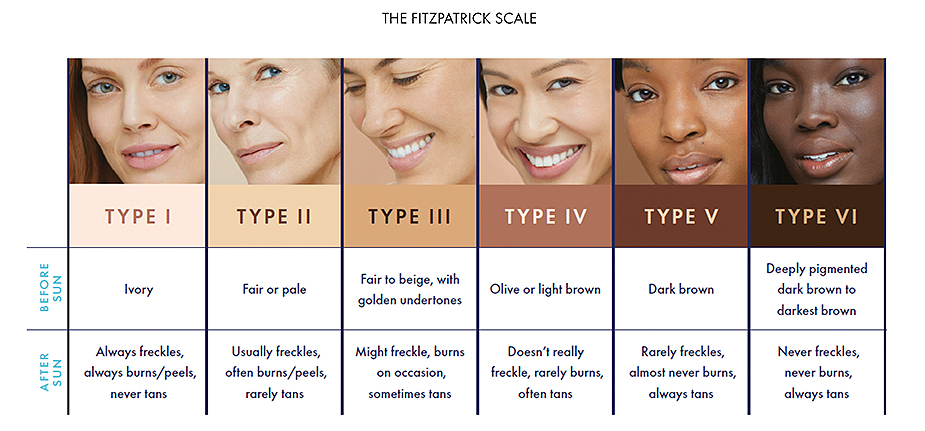
Not every laser is safe or effective for every person. The Fitzpatrick Skin Type scale (I-VI), which classifies skin by its tendency to tan or burn, is a critical determinant.
Ideal Candidates:
- Skin Types I-III (Light to Beige): These skin types, with less melanin, are the classic and safest candidates for all types of laser resurfacing, especially the more aggressive ablative lasers. The risk of post-inflammatory hyperpigmentation (dark spots) is lowest.
- Concerns: The best results are seen for:
- Fine Lines and Wrinkles: Especially around the eyes and mouth.
- Sun Damage: Brown spots (solar lentigines) and uneven skin tone.
- Textural Issues: Enlarged pores and rough skin.
- Scarring: Acne scars and some surgical scars respond exceptionally well to fractional ablative lasers.
Proceed with Caution:
- Skin Types IV-VI (Olive to Dark Brown): For these skin types, the melanin in the epidermis can compete with the laser’s intended target, increasing the risk of burns, blisters, and long-term hyperpigmentation or hypopigmentation (light spots). Ablative lasers are generally not recommended. However, certain non-ablative fractional lasers and specific wavelengths (like 1540nm) are much safer and can be used successfully by an experienced practitioner.
- Contraindications: Active acne, cold sores, a history of keloid scarring, recent use of isotretinoin (Accutane), or an immunosuppressed condition are all reasons to postpone or avoid laser treatment.
3. The Reality of Recovery: Navigating Risks, Downtime, and Discomfort
Understanding and preparing for the recovery process is half the battle in achieving a successful outcome.
The Downtime Spectrum:
- Ablative Resurfacing: This involves a significant recovery. For 5-10 days, the skin will be raw, oozing, and swollen, resembling a severe burn. Complete healing and redness resolution can take 3-6 months.
- Non-Ablative Fractional Resurfacing: Often called a “weekend procedure.” Patients experience 1-3 days of redness and swelling, resembling a bad sunburn, with sandpaper-like texture as the microscopic damaged tissue exfoliates.
- Non-Ablative (No Downtime): There may be slight redness for a few hours, but patients can typically return to normal activities immediately.
Common Risks and Side Effects:
- Expected and Temporary: Swelling, redness, itching, and peeling are all part of the normal healing process.
- More Serious Risks: These include:
- Infection: Bacterial, viral (cold sore reactivation), or fungal.
- Pigment Changes: Both darkening and lightening of the skin.
- Scarring: A rare but serious complication, often linked to improper technique or post-care.
- Prolonged Erythema: Redness that lasts for several months.
Managing Discomfort: The procedure itself is performed under topical or sometimes local anesthesia. Post-procedure pain is most significant with ablative treatments and is managed with prescribed pain medication. For fractional treatments, over-the-counter pain relievers and cool compresses are usually sufficient.
4. The Synergy Strategy: Maximizing Results by Combining Treatments
Laser resurfacing is powerful on its own, but its effects can be amplified when strategically combined with other cosmetic procedures.
Pre-Treatment Priming:
- Skin Care: Using medical-grade retinoids (like tretinoin) and hydroquinone for 4-6 weeks before treatment can optimize skin cell turnover, suppress melanocyte activity to prevent pigmentation, and lead to more uniform laser penetration and faster healing.
- Neurotoxins (Botox): Having Botox before laser resurfacing for dynamic wrinkles (like crow’s feet) can be highly effective. By relaxing the muscle, the skin heals in a smooth, non-contracted state, leading to a better final result.
Post-Treatment Enhancements:
- Platelet-Rich Plasma (PRP): Applying PRP—derived from your own blood and rich in growth factors—to the skin immediately after laser treatment can dramatically accelerate healing, boost collagen stimulation, and improve overall outcomes.
- Filler: While lasers tighten skin and improve texture, they do not replace lost volume. Dermal fillers can be used after the skin has fully healed to restore volume in the cheeks, lips, and nasolabial folds, providing a comprehensive rejuvenation.
5. Protecting Your Investment: The Critical Role of Long-Term Care
The results of laser resurfacing are not permanent. The skin will continue to age, and new sun damage can accumulate. Long-term maintenance is non-negotiable.
The Non-Negotiable: Daily Sun Protection
This is the single most important factor in maintaining your results. UV radiation is the primary driver of photoaging and can quickly undo the benefits of your treatment.
- Use a Broad-Spectrum SPF 30+ sunscreen every single day, without exception.
- Reapply every two hours when outdoors.
- Wear protective hats and seek shade.
A Medical-Grade Skincare Regimen: Your post-laser skin is a blank canvas. Nourish it with:
- Antioxidants: Vitamin C serums in the morning help neutralize free radicals and protect against environmental damage.
- Retinoids: Prescription-strength retinoids (like tretinoin) are the gold standard for maintaining collagen production, accelerating cell turnover, and keeping the skin smooth and clear.
- Adequate Moisturization: A high-quality moisturizer supports the skin’s barrier function, keeping it hydrated and resilient.
Periodic Maintenance Treatments: For fractional laser patients, having a “touch-up” treatment every 1-2 years can help maintain the collagen-building momentum and address new concerns as they arise, keeping your skin in its best possible condition long-term.
Laser skin resurfacing is a powerful tool that can indeed help achieve a flawless complexion, but safety and success are inextricably linked to expert application, careful patient selection, and diligent aftercare. It is a journey, not a quick fix. By choosing a board-certified dermatologist or plastic surgeon, having a thorough consultation, and committing to the pre- and post-treatment protocols, you can harness the power of laser technology to safely reveal the healthiest, most radiant version of your skin.