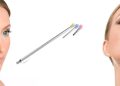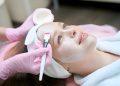











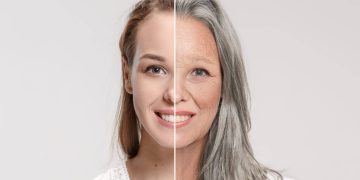
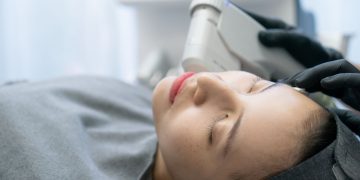

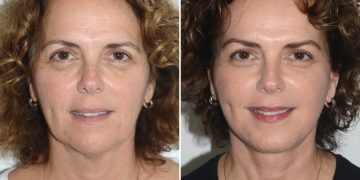
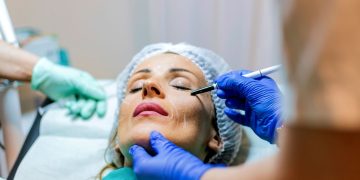
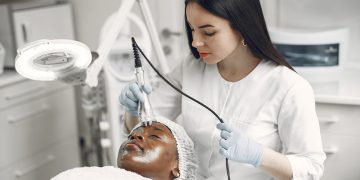
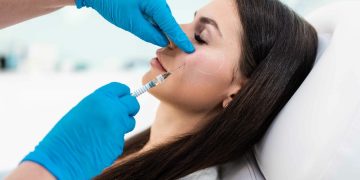
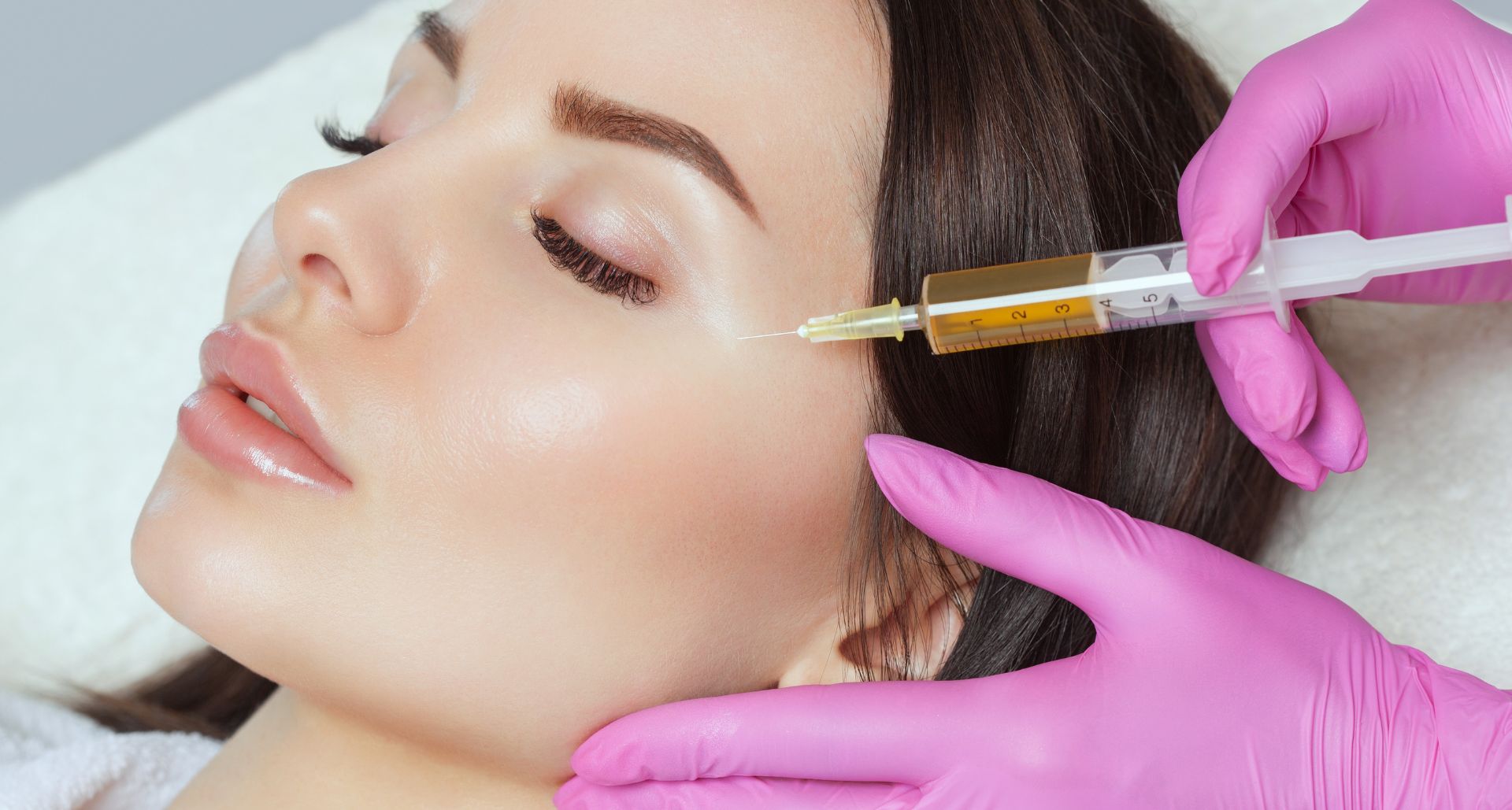
Platelet-Rich Plasma (PRP) therapy has emerged as a groundbreaking procedure in the field of aesthetic medicine, offering natural, minimally invasive solutions for hair restoration and skin rejuvenation. Often dubbed the “vampire facial” in popular media, PRP leverages the body’s own healing mechanisms to stimulate growth, improve skin texture, and restore vitality. However, understanding how PRP works, its applications, risks, and treatment protocols is essential for anyone considering this therapy. This article provides a comprehensive overview of PRP therapy in aesthetics, focusing on its mechanism, uses, candidate suitability, potential side effects, and treatment schedules.
PRP Mechanism: How It Works
PRP therapy involves isolating and concentrating platelets from a patient’s own blood. Platelets are rich in growth factors, proteins, and cytokines that promote tissue repair and regeneration. The process generally follows these steps:
- Blood Collection: A small amount of the patient’s blood is drawn, usually from the arm.
- Centrifugation: The blood is spun in a centrifuge to separate red blood cells, white blood cells, and plasma. The plasma portion, enriched with platelets, is collected for injection.
- Activation and Injection: The PRP is sometimes activated with calcium or thrombin and then injected into the targeted area, such as the scalp for hair restoration or the facial skin for rejuvenation.
Mechanism of Action:
- Growth Factor Stimulation: PRP releases platelet-derived growth factors (PDGFs), vascular endothelial growth factor (VEGF), transforming growth factor (TGF), and other bioactive molecules that stimulate cellular repair and regeneration.
- Collagen and Elastin Production: PRP encourages fibroblasts to produce collagen and elastin, improving skin firmness, elasticity, and texture.
- Angiogenesis: PRP promotes the formation of new blood vessels, enhancing tissue nutrition and oxygenation.
- Hair Follicle Activation: In hair restoration, PRP stimulates dormant follicles, prolongs the anagen (growth) phase, and improves hair density.
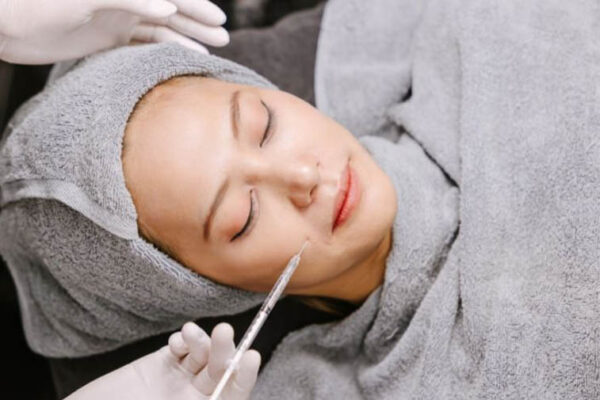
Hair Restoration vs Skin Rejuvenation
PRP therapy is versatile and can be tailored to different aesthetic concerns, most notably hair loss and skin rejuvenation.
Hair Restoration
PRP has gained attention as a natural alternative for treating hair thinning and androgenetic alopecia (pattern hair loss).
- Target Areas: Scalp regions with thinning hair or receding hairlines.
- Procedure: PRP is injected into the scalp using fine needles. The growth factors stimulate dormant follicles and improve hair thickness.
- Expected Results: Noticeable improvement in hair density and strength over 3–6 months, with full effects visible after several sessions.
- Complementary Treatments: PRP is often combined with microneedling, topical minoxidil, or low-level laser therapy for enhanced results.
Skin Rejuvenation
PRP is widely used for facial rejuvenation, sometimes in combination with microneedling or laser treatments.
- Target Areas: Face, neck, décolletage, hands, and under-eye areas.
- Benefits:
- Improves skin tone and texture
- Reduces fine lines and wrinkles
- Enhances hydration and elasticity
- Minimizes acne scars and pigmentation irregularities
- Procedure: PRP is injected or applied topically after microneedling to stimulate collagen and tissue regeneration.
- Results Timeline: Gradual improvement over 4–8 weeks, with continued benefits as collagen production increases.
Candidate Assessment: Who Can Benefit?
Not everyone is an ideal candidate for PRP therapy. Proper assessment by a qualified practitioner ensures safety and optimal outcomes.
Ideal Candidates:
- Individuals with mild to moderate hair thinning or early-stage hair loss
- Patients seeking natural, minimally invasive skin rejuvenation
- Healthy adults without significant underlying medical conditions
- Those looking for gradual, natural results rather than immediate dramatic changes
Less Ideal Candidates:
- Individuals with severe alopecia or complete hair loss may not benefit as much from PRP alone
- Patients with blood disorders, clotting issues, or platelet dysfunction
- Individuals with active skin infections or autoimmune conditions affecting healing
- Patients expecting instant, dramatic transformations
A thorough consultation should include medical history, blood tests if needed, and evaluation of hair or skin condition to determine suitability.
Risks and Side Effects
PRP therapy is generally considered safe because it uses the patient’s own blood, reducing the risk of allergic reactions or immune rejection. However, potential side effects and risks include:
Common Side Effects:
- Mild pain or discomfort at the injection site
- Temporary redness, swelling, or bruising
- Minor bleeding at the needle insertion points
Rare but Serious Risks:
- Infection if sterile technique is not strictly followed
- Nerve injury (very rare)
- Inconsistent or suboptimal results if PRP preparation or injection technique is inadequate
Proper training, hygiene, and equipment sterilization minimize the likelihood of complications. Patients are usually advised to avoid anti-inflammatory medications and alcohol before treatment, as these can reduce platelet effectiveness.
Treatment Schedule and Protocols
The success of PRP therapy depends not only on the procedure itself but also on the treatment schedule and follow-up care.
Hair Restoration Schedule
- Initial Phase: 3–4 sessions spaced 4–6 weeks apart
- Maintenance Phase: 2–3 sessions per year to sustain results
- Evaluation: Hair density and thickness are assessed periodically to adjust treatment intervals
Skin Rejuvenation Schedule
- Initial Phase: 3 sessions spaced 4–6 weeks apart for optimal collagen stimulation
- Maintenance Phase: 1–2 sessions every 6–12 months, depending on skin aging and patient goals
- Combination Treatments: PRP can be paired with microneedling, laser therapy, or chemical peels for enhanced results
Patients are advised to maintain a healthy lifestyle, avoid excessive sun exposure, and follow skincare routines to maximize benefits.
Conclusion
Platelet-Rich Plasma (PRP) therapy offers a natural, minimally invasive approach to aesthetic enhancement, with applications in both hair restoration and skin rejuvenation. By utilizing growth factors from the patient’s own blood, PRP stimulates collagen production, improves tissue repair, and rejuvenates the skin and scalp. Ideal candidates are those seeking gradual, natural improvements, and who maintain realistic expectations. While side effects are generally mild, proper assessment, sterile technique, and adherence to a structured treatment schedule are critical for safe and effective outcomes.
Ultimately, PRP therapy represents a modern approach to aesthetic medicine, leveraging the body’s innate regenerative capacity to achieve refreshed, youthful appearances without surgery or synthetic additives.