





























Lip augmentation has evolved from a beauty trend into a mainstream cosmetic procedure, offering individuals the opportunity to enhance volume, shape, and symmetry of their lips. With a wide range of filler types, techniques, and maintenance options, lip augmentation is no longer just about achieving a fuller pout—it’s about creating natural, balanced results that complement one’s facial features. This comprehensive guide explores the types of lip fillers, procedure steps, ideal candidates, risks including overfilling, and the maintenance needed to sustain long-lasting results.
Types of Lip Fillers
Choosing the right type of filler is essential for achieving safe and aesthetically pleasing results. The most commonly used lip fillers are hyaluronic acid (HA) fillers, but other options exist as well.
1. Hyaluronic Acid (HA) Fillers
Hyaluronic acid is a naturally occurring substance in the skin that attracts water, giving lips a soft and plump appearance. HA fillers are the most popular choice due to their safety, reversibility, and versatility.
- Common Brands: Juvederm®, Restylane®, Belotero®
- Properties: Smooth, gel-like consistency that integrates seamlessly into lip tissue
- Applications:
- Enhancing volume and fullness
- Correcting asymmetry
- Defining the lip border or Cupid’s bow
- Reversibility: Can be dissolved with hyaluronidase in case of overfilling or undesirable results
- Duration: Typically lasts 6–12 months, depending on metabolism and product type
2. Calcium Hydroxylapatite (CaHA) Fillers
While less commonly used for lips, calcium-based fillers provide structural support and stimulate collagen production. They are thicker and more suitable for creating subtle, natural shape enhancement rather than dramatic volume.
- Properties: Firm, dense consistency
- Applications: Used for lip contouring and minor volume adjustments
- Duration: 12–18 months
- Note: Not reversible like HA fillers, so careful placement is essential
3. Poly-L-Lactic Acid (PLLA) Fillers
PLLA fillers are biostimulatory, gradually encouraging collagen production. They are generally less common in lip augmentation but may be used in cases where slow, progressive enhancement is desired.
- Properties: Stimulates natural tissue regeneration
- Applications: Slow volume build-up and subtle contouring
- Duration: Results appear over months and can last up to 2 years
- Considerations: Multiple sessions are often required
Procedure Steps
Lip augmentation is a relatively quick procedure, typically performed in an aesthetic clinic with minimal downtime. Understanding each step can help patients feel more comfortable and prepared.
1. Consultation and Assessment
- Evaluation of facial symmetry, lip shape, and volume
- Discussion of aesthetic goals and desired outcome
- Assessment of skin condition, medical history, and previous cosmetic procedures
2. Preparation
- Cleansing the lip area to prevent infection
- Topical anesthetic or nerve blocks may be applied for comfort
- Marking injection points to guide filler placement
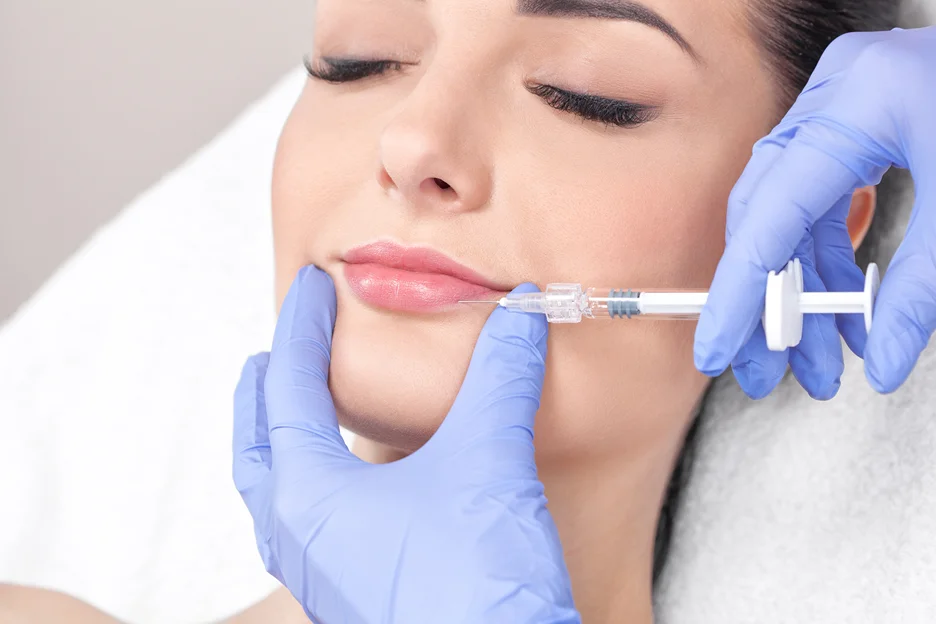
3. Injection
- Filler is administered using a fine needle or cannula
- Strategic placement enhances volume, defines borders, and balances symmetry
- Gradual layering ensures natural results without overfilling
4. Post-Injection Care
- Gentle massage may be performed to distribute filler evenly
- Immediate observations for any complications
- Ice packs recommended to minimize swelling or discomfort
The entire process typically takes 30–60 minutes, depending on the desired result and technique used.
Ideal Candidates
Not everyone is a suitable candidate for lip augmentation. Ideal candidates include:
- Individuals with naturally thin lips seeking subtle enhancement
- Patients with asymmetry or uneven lip shape
- Those who desire a more defined lip border or pronounced Cupid’s bow
- Adults in good overall health without active infections or skin conditions around the mouth
Candidates with unrealistic expectations or a desire for excessively large lips may not be suitable. A thorough consultation with a qualified practitioner is essential for assessing feasibility and designing a natural, harmonious outcome.
Risks and Overfilling Concerns
While lip fillers are generally safe, risks exist and should be considered:
Common Side Effects
- Swelling and bruising at the injection site
- Redness and tenderness for a few days
- Mild asymmetry, which usually resolves naturally
Less Common Risks
- Infection if proper hygiene is not followed
- Lumps or uneven filler distribution
- Allergic reactions, though rare with HA fillers
- Vascular complications, which can cause tissue damage if filler is inadvertently injected into a blood vessel
Overfilling Concerns
- Overfilled lips can appear unnatural or disproportionate to facial features
- Can cause discomfort or difficulty with lip movement
- Reversibility with hyaluronidase is possible but requires careful administration
- Gradual enhancement and conservative initial injections are recommended to avoid overfilling
Maintenance and Longevity
Lip fillers are temporary, so maintenance is essential to preserve desired results:
- Follow-Up: Initial results should be evaluated after 2–4 weeks, with touch-ups if necessary
- Longevity: Typically 6–12 months for HA fillers; longer for CaHA or PLLA depending on individual metabolism
- Lifestyle Considerations: Avoid excessive sun exposure, smoking, or harsh lip treatments that can accelerate filler breakdown
- Gradual Enhancements: Multiple small sessions over time are preferred to achieve long-lasting, natural-looking volume
Regular follow-ups with a qualified practitioner ensure that results remain balanced and aesthetically pleasing, while also monitoring for potential complications.
Conclusion
Lip augmentation is more than a cosmetic trend; it is a versatile tool for enhancing facial harmony, restoring volume, and improving confidence. By understanding the types of fillers, procedural steps, ideal candidates, risks, and maintenance strategies, patients can make informed decisions and achieve safe, natural results. Careful planning, conservative enhancements, and regular follow-up are key to avoiding overfilling and maintaining a beautiful, balanced pout.
With the right approach, lip augmentation goes beyond aesthetics, offering a boost in self-confidence and an opportunity to highlight natural facial features.