








Stress is more than a mental burden—its effects show up physically, emotionally, and even aesthetically. While short-term stress can be manageable, chronic stress takes a toll on the skin, body, and mind. It accelerates aging, disrupts sleep, affects hormone balance, and dulls the natural glow that accompanies good health and well-being. But with the right stress-management strategies, you can protect both your beauty and your overall wellness from the damaging consequences of everyday pressures.
This comprehensive guide explores how stress accelerates aging, the role of mindfulness and meditation, the importance of exercise routines, and the powerful support that nutrition can offer.
How Stress Accelerates Aging
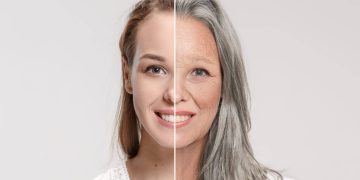
The link between stress and aging is well-established in both scientific research and everyday experience. People often notice that during stressful periods—whether due to work, relationships, or health issues—their skin appears duller, lines become more visible, and they feel less vibrant overall.
1. The Role of Cortisol
Chronic stress triggers the release of cortisol, the primary stress hormone. When cortisol levels remain elevated for long periods, the following effects occur:
- Breakdown of collagen and elastin: These proteins keep skin firm, elastic, and youthful. Stress accelerates their degradation, leading to wrinkles and sagging.
- Thinning of the skin: High cortisol can weaken the skin’s barrier, making it more sensitive and prone to irritation.
- Increase in oil production: Excess cortisol stimulates sebaceous glands, potentially causing acne breakouts even in adults.
2. Inflammation and Oxidative Stress
Stress increases inflammation and free-radical activity in the body. Over time, this oxidative stress:
- Speeds up cellular aging
- Causes pigmentation issues
- Slows down healing
- Contributes to conditions like eczema, psoriasis, and rosacea
3. Lifestyle Disruptions
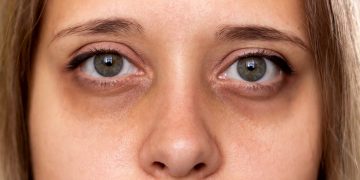
Stress rarely acts alone—it influences sleep, diet, exercise habits, and emotional well-being. Poor sleep quality alone can result in:
- Dark circles
- Puffy eyes
- Dull complexion
- Impaired skin cell renewal
Overall, stress accelerates both internal biological aging and visible external aging, making it essential to adopt effective stress-management practices.
Mindfulness and Meditation
Mindfulness and meditation are among the most powerful tools for reducing stress and restoring balance. They promote calm, increase mental clarity, and build resilience against future stressors.
1. What Is Mindfulness?
Mindfulness means being fully present, aware of thoughts and emotions without judgment. Practicing mindfulness helps minimize the impact of stress triggers by shifting attention to the current moment rather than worrying about the past or future.
2. Meditation Techniques for Daily Life
Breath-Focused Meditation
A simple method suitable for beginners:
- Sit comfortably
- Inhale deeply through the nose
- Exhale slowly through the mouth
- Focus on your breath for 5–10 minutes
This reduces cortisol, lowers heart rate, and calms the nervous system.
Body Scan Meditation
This technique relaxes the body by directing attention to different areas:
- Start at the toes and move upward
- Notice tension
- Release it with each breath
Great for reducing physical symptoms of stress like jaw tightness or shoulder stiffness.
Loving-Kindness Meditation (Metta)
This promotes compassion toward yourself and others, reducing negative emotions and improving mood—both essential for long-term beauty and wellness.
3. Benefits for Beauty and Wellness
- Improved sleep quality
- Enhanced skin regeneration
- Reduced stress hormones
- Better emotional regulation
- Increased energy and focus
Mindfulness and meditation create harmony between the mind and body, leading to a healthier, more radiant appearance.
Exercise Routines
Exercise is one of the most effective stress-management tools available. It helps release tension, boosts mood, and supports overall health—all of which contribute to beauty and wellness.
1. How Exercise Reduces Stress
- Releases endorphins (“feel-good hormones”)
- Improves circulation, giving the skin a natural glow
- Regulates cortisol levels
- Promotes better sleep
- Strengthens immunity
2. Exercise Types That Support Beauty and Wellness
Yoga
Combines movement, breathwork, and mindfulness.
Benefits: improved posture, flexibility, mental calm, and reduced stress-driven aging.
Pilates
Strengthens core muscles, supports spinal alignment, and enhances body awareness.
Benefits: improved posture, toning, reduced tension.
Cardio Exercises (Drumming heart activities like jogging, cycling, swimming)
Boosts cardiovascular health and improves oxygen flow to skin and tissues.
Benefits: increased radiance, reduced inflammation.
Strength Training
Builds muscle mass and enhances metabolic health.
Benefits: improved body composition, stronger bones, and better stress resilience.
3. Exercise Frequency
To experience beauty and wellness benefits:
- Aim for 30–45 minutes of exercise, 3–5 times per week
- Include a mix of cardio, strength, and flexibility training
- Add short movement breaks during the day
With consistency, physical activity becomes a powerful defense against stress and aging.
Dietary Support
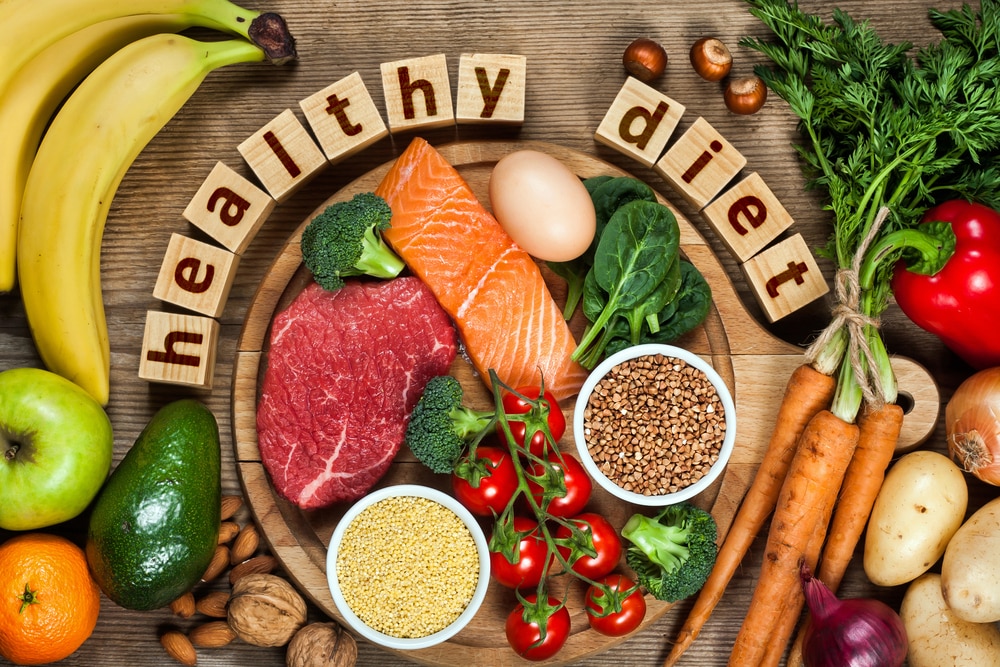
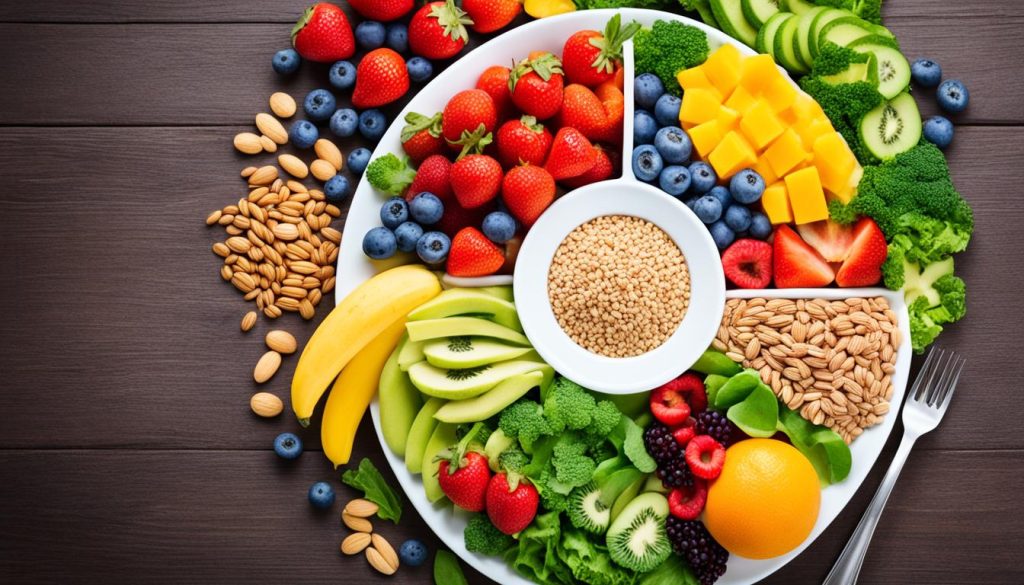
Diet plays a crucial role in managing stress and maintaining youthful, healthy skin. Chronic stress depletes nutrients, increases inflammation, and triggers cravings for high-sugar or high-fat foods. A well-balanced diet helps restore equilibrium.
1. Foods That Reduce Stress and Support Beauty
Omega-3 Fatty Acids
Found in salmon, walnuts, chia seeds.
Benefits: reduces inflammation, improves mood, strengthens skin barrier.
Antioxidant-Rich Fruits and Vegetables
Examples: berries, spinach, kale, tomatoes.
Benefits: combats oxidative stress, brightens skin, promotes cellular repair.
Magnesium-Rich Foods
Such as almonds, avocados, and dark leafy greens.
Benefits: relaxes muscles, improves sleep, reduces anxiety symptoms.
Probiotic Foods
Yogurt, kefir, kimchi, sauerkraut.
Benefits: improves gut health, regulates mood, enhances nutrient absorption.
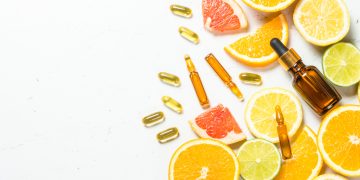
Vitamin C Sources
Citrus fruits, bell peppers, broccoli.
Benefits: boosts collagen production, brightens skin, supports immunity.
2. Hydration and Stress
Adequate water intake supports:
- Skin elasticity
- Detoxification
- Energy levels
- Mental clarity
Aim for 8–10 glasses daily.
3. Foods to Limit
- Excess caffeine
- Sugary snacks
- Alcohol
- Highly processed foods
These can intensify stress, disrupt sleep, and trigger inflammation—directly affecting beauty and wellness.
Conclusion
Stress affects the body on every level, from skin health to hormonal balance to emotional resilience. Fortunately, effective stress-management techniques—such as mindfulness, meditation, exercise, and proper nutrition—can significantly protect your beauty and overall wellness. By adopting these practices consistently, you nurture not only a calmer mind but also a healthier, more radiant appearance.
Incorporate mindfulness into your morning routine, choose movement that brings joy, fuel your body with nourishing foods, and prioritize rest. Beauty and wellness thrive when the mind and body are in harmony.