








Hormones influence nearly every aspect of beauty—from how clear your skin looks to how strong, shiny, and full your hair appears. When hormones fall out of balance, the effects often show up externally long before we notice internal symptoms. Acne flare-ups, sudden hair shedding, dryness, dullness, and increased sensitivity are just a few common signs that your endocrine system needs attention.
In today’s holistic beauty landscape, many people are turning toward natural approaches to support hormone harmony before considering medication. But what does “balancing hormones naturally” really mean, and how can lifestyle choices, diet, and professional guidance contribute to healthier skin and hair?
This comprehensive guide explores the key hormones involved in beauty, how imbalances present themselves, and what science-backed natural strategies help restore equilibrium.
1. Which Hormones Play the Biggest Roles in Skin and Hair Health?
Several hormones work together to influence how your skin and hair behave. Understanding them is the first step toward supporting balance.
➤ Estrogen
Estrogen helps maintain skin thickness, moisture retention, elasticity, and collagen production. When levels drop—such as before menstruation, during stress, or in perimenopause—skin may appear dull, dry, and more prone to wrinkles.
➤ Progesterone
Progesterone regulates sebum production and contributes to skin healing. Imbalances can lead to acne, puffiness, or increased oiliness.
➤ Androgens (Testosterone & DHT)
Androgens stimulate oil glands. Excess levels can cause:
- Cystic acne
- Oily skin
- Hair loss along the hairline
- Increased body hair
These issues are especially common in conditions like PCOS.
➤ Cortisol
Known as the stress hormone, cortisol accelerates aging by breaking down collagen, triggering inflammation, and disrupting hair growth cycles.
➤ Thyroid Hormones (T3 & T4)
They regulate cell turnover, metabolism, and hair production.
Low thyroid function can result in:
- Dry, coarse skin
- Brittle nails
- Thinning eyebrows
- Diffuse hair shedding
High thyroid levels may cause oily skin and fine thinning hair.
2. What Lifestyle Habits Can Support Natural Hormone Balance?
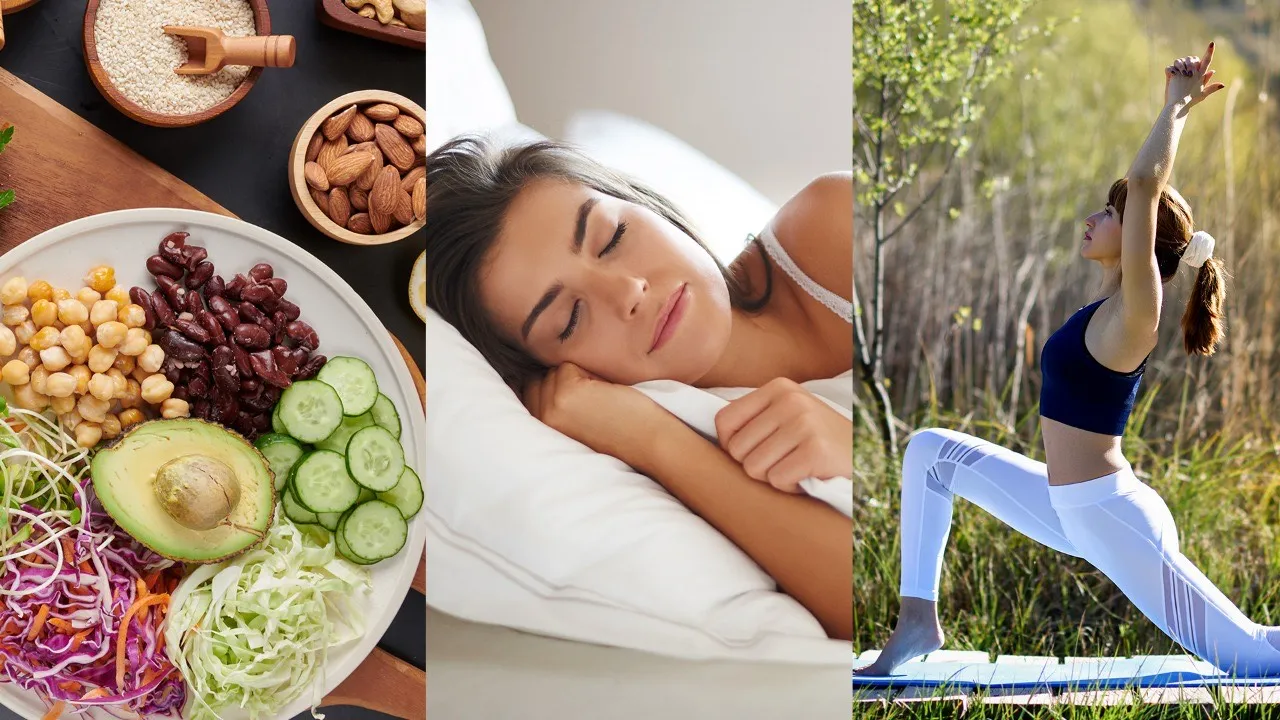
Lifestyle modifications are among the most powerful tools for improving hormone-related skin and hair issues. Small, consistent changes often yield long-term improvements.
➤ Consistent Sleep Patterns
Poor or irregular sleep elevates cortisol and suppresses melatonin—both of which disturb hormone regulation. Aim for:
- 7–9 hours of high-quality sleep
- A consistent bedtime and wake time
- Reduced screen exposure at night
➤ Stress Regulation
Chronic stress is a major disruptor of estrogen, progesterone, and thyroid hormones. Incorporate:
- Deep breathing exercises
- Yoga or stretching
- Mindfulness meditation
- Journaling
- Regular breaks during work
Even 10 minutes daily can lower cortisol.
➤ Regular Physical Activity
Exercise improves insulin sensitivity and regulates cortisol, and it stimulates circulation to the skin and scalp.
Best hormone-supporting exercises include:
- Strength training
- Low-intensity steady-state cardio
- Pilates
- Dancing
- Daily walks
Avoid excessive high-intensity training, which can spike cortisol.
➤ Avoiding Endocrine Disruptors
Certain chemicals mimic or interfere with hormones. Limit exposure to:
- BPA (in plastics)
- Phthalates (in fragrances)
- Parabens
- Pesticides
- Teflon-coated cookware
Choose clean beauty products and filtered water whenever possible.
3. What Dietary Choices Help Balance Hormones for Better Skin and Hair?
Nutrition is one of the strongest natural pathways to hormonal harmony.
➤ Protein to Stabilize Hormones
Hormones are made from amino acids or cholesterol. High-quality protein supports:
- Hair strand strength
- Skin repair
- Blood sugar balance
Best sources:
- Eggs
- Fish
- Lean meats
- Legumes
- Tofu and tempeh
- Pumpkin seeds
➤ Healthy Fats to Build Hormones
Fats are essential for producing sex hormones. Include:
- Avocados
- Extra-virgin olive oil
- Nuts and seeds
- Oily fish (salmon, sardines)
- Flaxseed and chia
➤ Fiber to Reduce Excess Hormones
Fiber binds to used hormones and helps eliminate them.
Eat more:
- Leafy greens
- Whole grains
- Berries
- Beans
- Cruciferous vegetables
➤ Anti-inflammatory Foods
Inflammation disrupts hormones and accelerates aging. Incorporate:
- Turmeric
- Green tea
- Ginger
- Berries
- Dark leafy greens
➤ Nutrients to Support Skin and Hair
- Zinc: helps acne, supports thyroid
- Omega-3: reduces inflammation
- Vitamin D: regulates immunity and hair growth
- Iron: essential for hair density
- B vitamins: promote energy and hormonal function
4. What Signs Indicate That Your Hormones May Be Imbalanced?
Skin and hair often show hormonal shifts before medical symptoms appear.
Common Skin Signs
- Persistent acne along the jawline
- Sudden oiliness or dryness
- Dullness and rough texture
- Increased sensitivity
- Hyperpigmentation
- Premature fine lines
Common Hair Signs
- Hair thinning or shedding
- Brittle texture
- Excess facial hair
- Receding hairline
- Slow hair growth
General Body Symptoms
- Irregular periods
- Fatigue
- Weight gain around the abdomen
- Brain fog
- Insomnia
- Mood swings
If several symptoms occur together, a hormonal imbalance is likely.
5. When Should You Consult a Professional Instead of Relying Only on Natural Methods?
Natural approaches help greatly, but certain situations require medical evaluation.
Seek professional help if you experience:
- Severe, cystic or painful acne
- Sudden or rapid hair loss
- Irregular or missing menstrual cycles
- Symptoms of thyroid dysfunction
- Excessive facial hair growth
- Persistent fatigue unrelieved by rest
- Unexplained weight gain
Medical Testing That Helps Diagnose Imbalances
A practitioner may recommend:
- Sex hormone panel (estrogen, progesterone, testosterone)
- Thyroid panel
- Cortisol curve test
- Blood glucose and insulin levels
- Vitamin D, B12, and ferritin levels
Types of Professionals to Consider
- Dermatologist
- Endocrinologist
- Functional medicine specialist
- Gynecologist
- Trichologist (hair and scalp expert)
Early evaluation leads to better long-term outcomes.
Conclusion: Can Natural Hormone Balancing Transform Your Skin and Hair?
Absolutely. While hormones are complex and influenced by many factors, adopting a holistic routine—including sleep regulation, stress control, nutrient-rich eating, and toxin reduction—can dramatically improve both skin clarity and hair health. Natural methods work best when applied consistently and combined with professional care when symptoms go beyond normal fluctuations.
Balanced hormones create a foundation for healthy, glowing skin and strong, vibrant hair. With the right habits, you can support your body’s natural equilibrium and reveal your most resilient, radiant self.