





















We live in an era of unprecedented access to beauty products. Serums promise to erase wrinkles, creams vow to restore radiance, and treatments guarantee rejuvenation. Yet, many of us follow meticulous skincare routines only to find our complexion lacking the vitality we seek. The often-overlooked truth is that the foundation of beauty is built not in the jar, but in the daily choices we make that either nourish or negate our well-being from within. While you sleep, your body is not just resting; it is performing critical repair work that directly impacts your appearance. The food you eat provides the raw materials for collagen, the hormones that regulate oil production, and the antioxidants that fight damage. This article exposes the four most common daily habits that silently sabotage your “beauty from within,” explaining the biological mechanisms behind the damage and providing a clear, corrective roadmap to reclaim your natural glow.
1. The Sweet Sabotage: How a High-Sugar Diet Accelerates Aging
Sugar’s impact on your body extends far beyond your waistline; it has a direct and destructive effect on your skin through a process called glycation.
The Science of Glycation:
Glycation occurs when excess sugar molecules in your bloodstream bind to proteins and fats, forming harmful new molecules called Advanced Glycation End Products (aptly abbreviated as AGEs). The proteins most susceptible to this damage are collagen and elastin—the very fibers that keep your skin firm, supple, and youthful.
The Visible Consequences:
- Wrinkles and Sagging: Once collagen and elastin become glycated, they become stiff, brittle, and unable to repair themselves. This leads to a loss of skin elasticity, resulting in pronounced wrinkles and sagging skin.
- Dull, Discolored Complexion: AGEs also degrade the body’s own antioxidant enzymes, leaving skin more vulnerable to damage from UV radiation and pollution. This leads to a dull, sallow complexion and can exacerbate hyperpigmentation.
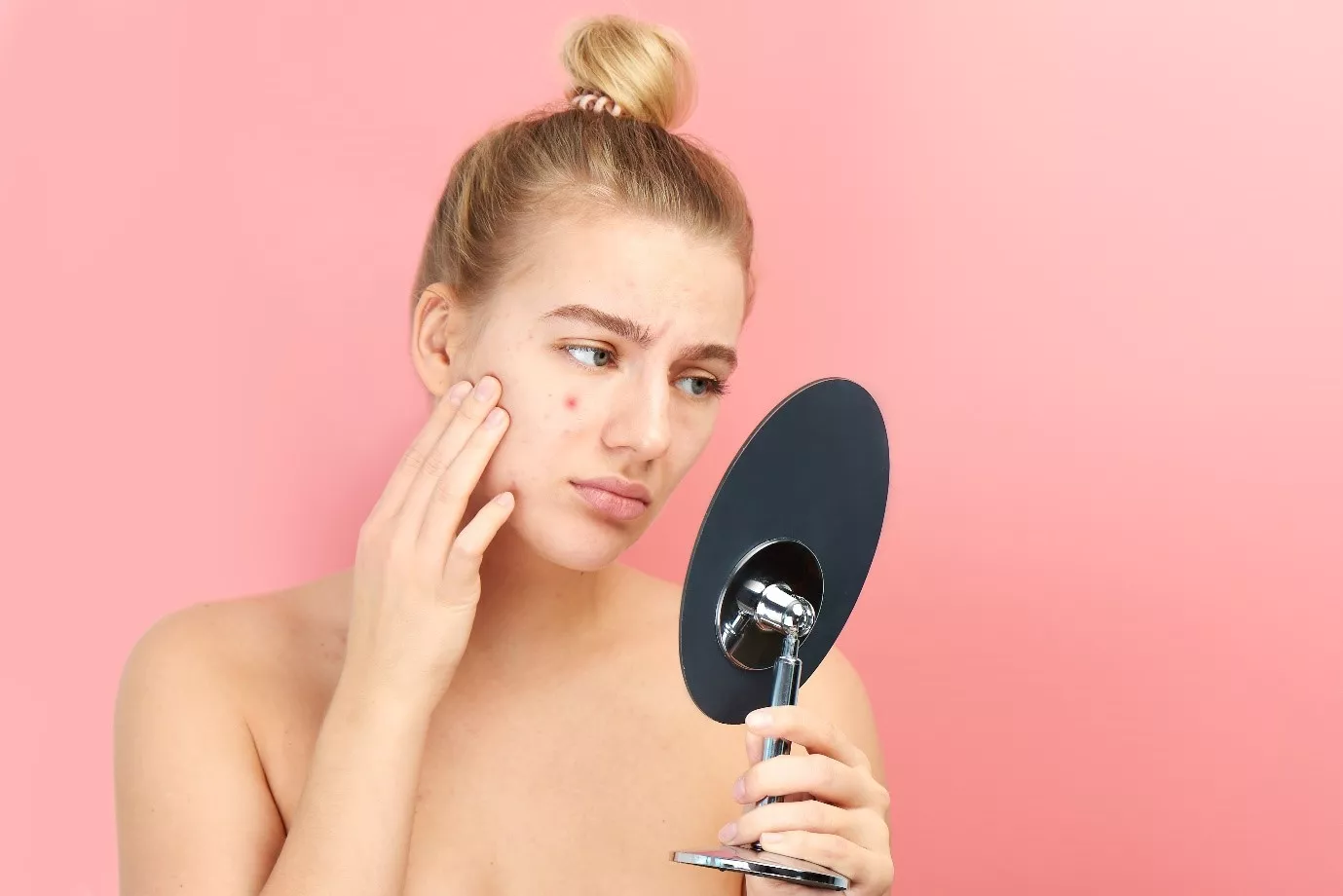
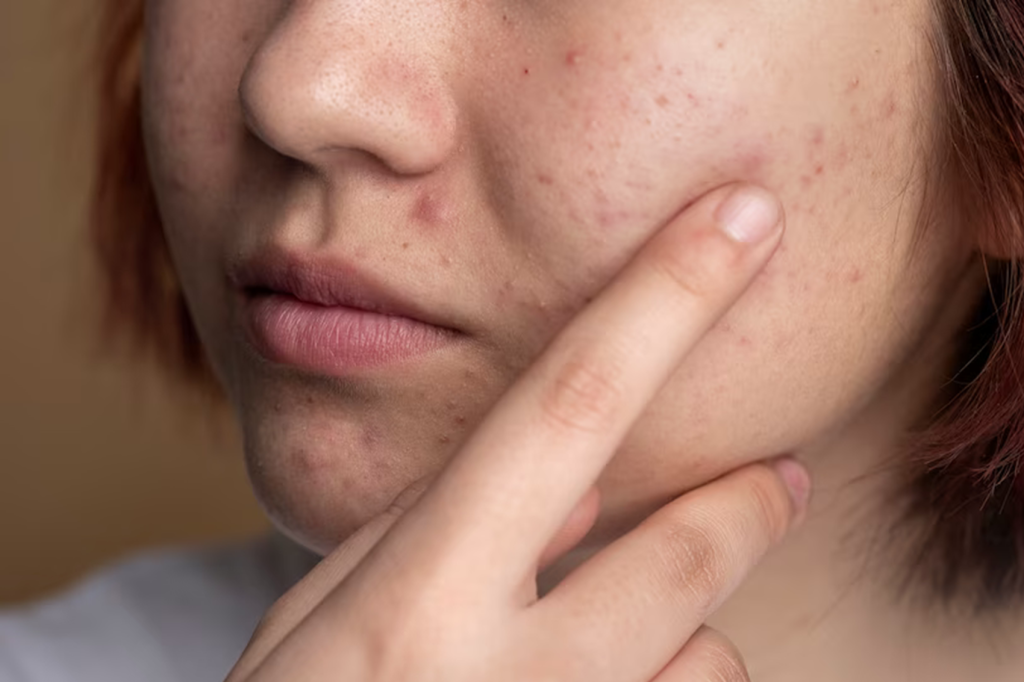
- Increased Inflammation: A high-sugar diet promotes systemic inflammation, which can worsen skin conditions like acne and rosacea. The spike in blood sugar and insulin can also increase the production of androgens, which stimulate oil glands, leading to clogged pores and breakouts.
Corrective Routine: Reduce your intake of refined sugars, sugary drinks, and processed carbohydrates. Focus on a low-glycemic diet rich in fiber, lean proteins, and healthy fats. Incorporate spices like cinnamon and turmeric, which have anti-glycation properties.
2. The Dehydration Deception: The Impact of Excess Caffeine and Alcohol
While a morning coffee or an evening glass of wine are common rituals, relying on them can systematically dehydrate your body and skin.
Caffeine: A Diuretic in Disguise:
Caffeine is a mild diuretic, meaning it increases urine production and can lead to a net loss of fluids if not balanced with adequate water intake. While moderate consumption is fine for most, relying on multiple cups of coffee without drinking enough water can leave your body—and your skin—in a chronically dehydrated state.
Alcohol: A Triple Threat to Your Glow:
- Powerful Diuretic: Alcohol suppresses the anti-diuretic hormone (vasopressin), leading to significant fluid loss and electrolyte imbalance.
- Nutrient Depletion: It depletes the body of essential beauty nutrients, including Vitamin A (vital for cell turnover), B vitamins (for energy and cell repair), and Vitamin C (for collagen synthesis).
- Inflammation and Broken Capillaries: Alcohol causes inflammation throughout the body, which can manifest as facial puffiness and redness. It also dilates blood vessels, which over time can lead to permanently broken capillaries, particularly on the nose and cheeks.
The Result: Dehydrated skin lacks plumpness and appears crepey, with more visible fine lines. It can also look dull and feel tight and uncomfortable.
Corrective Routine: For every cup of coffee or alcoholic drink, consume at least one full glass of water. Set a hard stop for caffeine in the early afternoon and limit alcohol to 1-2 drinks on occasion, not daily. Make water with lemon or herbal tea your go-to beverages.
3. The Nighttime Thief: How Poor Sleep Patterns Steal Your Radiance
Calling it “beauty sleep” is not a cliché; it’s a biological fact. The hours you spend asleep are the most critical for your body’s repair and regeneration processes.
The Cellular Repair Shift:
During deep sleep, your body goes into repair mode. Human Growth Hormone (HGH) is released, which is essential for collagen production and the repair of daily damage from UV exposure and pollution. This is when your skin cells turn over most rapidly, shedding old cells and generating new, healthy ones.
The Consequences of Sleep Deprivation:
- Increased Cortisol: Lack of sleep elevates the stress hormone cortisol, which breaks down collagen and increases inflammation, leading to accelerated aging and more breakouts.
- Pale, Dull Skin: Poor circulation during sleepless nights means less oxygenated blood reaches your skin, resulting in a pale, ashen, or dull complexion.
- Dark Circles and Puffiness: Insufficient sleep causes blood vessels under the thin eye skin to dilate, creating dark circles. It can also lead to fluid retention, causing puffy bags under your eyes.
- Impaired Skin Barrier: Sleep deprivation compromises your skin’s barrier function, leading to increased transepidermal water loss (dehydrated skin) and a reduced ability to protect itself from environmental aggressors.
Corrective Routine: Prioritize 7-9 hours of quality sleep per night. Establish a consistent sleep schedule, even on weekends. Create a wind-down ritual one hour before bed: dim the lights, turn off all screens, and engage in a calming activity like reading, gentle stretching, or meditation.
4. Rebuilding the Foundation: A Corrective Routine for Inner and Outer Radiance
Reversing the damage of these saboteurs requires a consistent, holistic approach that addresses both internal health and external care.
The Internal Reset:
- The Anti-Glycation Plate: Build your meals around leafy greens, colorful vegetables, lean proteins (fish, chicken, tofu), and healthy fats (avocado, nuts, olive oil). These foods are rich in antioxidants that fight AGEs and provide the building blocks for healthy skin.
- Hydration as a Habit: Carry a reusable water bottle and sip throughout the day. Infuse water with cucumber, mint, or berries for flavor. Herbal teas like rooibos and hibiscus are excellent, antioxidant-rich alternatives.
- Sleep Synergy: Support your sleep cycle with magnesium-rich foods (spinach, almonds, pumpkin seeds) or a supplement. Avoid heavy meals and intense exercise within 2-3 hours of bedtime.
The External Support System:
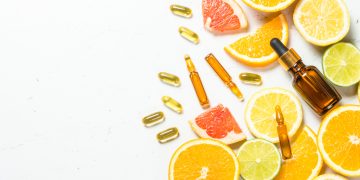
- Topical Antioxidants: Use a Vitamin C serum every morning. It is a workhorse antioxidant that helps protect against glycation and environmental damage while brightening the skin.
- Barrier-Repairing Moisturizers: Look for night creams containing peptides (to support collagen), ceramides, and niacinamide to repair the skin barrier and lock in hydration.
- Gentle Exfoliation: Use a gentle chemical exfoliant (like lactic acid or PHA) 1-2 times a week to slough off the dull, dead skin cells that accumulate from stress and poor sleep, revealing the fresher, brighter skin underneath.
The pursuit of lasting beauty is a holistic endeavor. The most expensive creams and cutting-edge procedures can only do so much if they are constantly fighting against the internal chaos created by poor daily habits. By recognizing sugar, caffeine, alcohol, and poor sleep as the silent saboteurs they are, you can shift from a reactive to a proactive beauty strategy. The goal is not perfection, but awareness and consistency. By making small, sustainable changes to nourish your body from within, you lay the groundwork for a radiance that is resilient, authentic, and truly built to last.