

























Hyperpigmentation—dark spots, melasma, sun spots, and post-inflammatory marks—is a common concern for individuals seeking a more even and radiant complexion. While topical treatments, chemical peels, and preventive measures can help, laser treatments have emerged as one of the most effective solutions for targeting pigmentation at a deeper level. However, understanding how lasers work, the different types available, proper treatment schedules, risks—especially for darker skin tones—and post-care requirements is essential for safe and optimal results.
This comprehensive guide explores the science behind hyperpigmentation lasers, compares different laser types, outlines treatment strategies, addresses potential risks, and details post-treatment care.
1. How Do Lasers Target Hyperpigmentation?
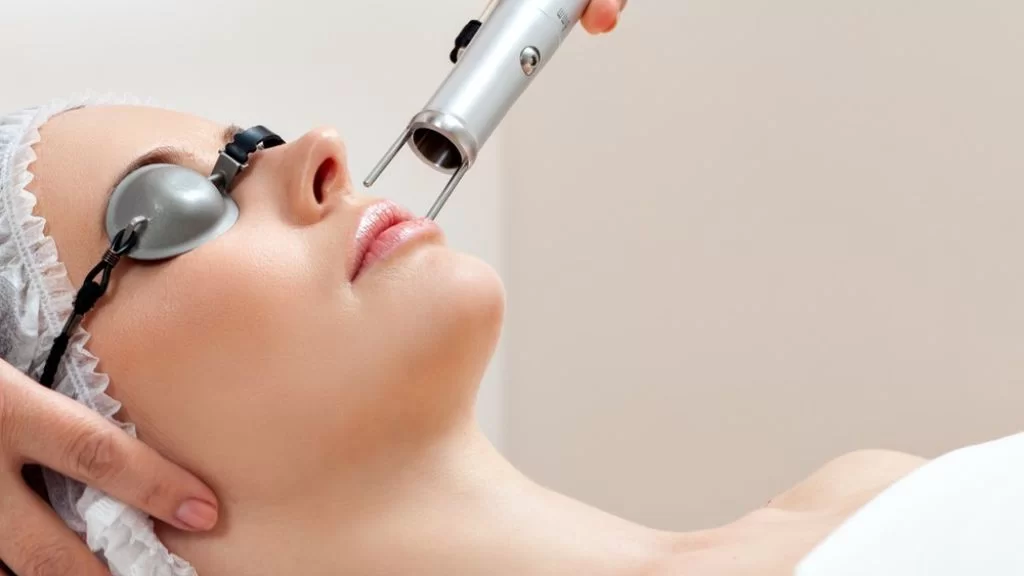
Lasers treat pigmentation by delivering concentrated light energy to melanin, the pigment responsible for skin color. The energy is absorbed selectively by the pigment, breaking it down into smaller particles, which the body then removes naturally via the lymphatic system.
Key Mechanisms
- Selective Photothermolysis: Lasers emit a wavelength absorbed primarily by melanin, minimizing damage to surrounding tissues.
- Fragmentation of Pigment: The laser energy breaks pigment clusters into smaller particles, allowing macrophages to clear them.
- Stimulation of Skin Renewal: Some lasers encourage collagen production, improving overall skin texture alongside pigmentation reduction.
Unlike topical treatments, lasers act beneath the skin surface, offering faster, more targeted results, especially for stubborn or deep pigmentation.
2. What Are the Different Types of Lasers for Hyperpigmentation?
Various laser technologies are used depending on the type of pigmentation, skin tone, and desired outcome. Each has unique properties, penetration depths, and energy settings.
A. Q-Switched Lasers
- Wavelengths: 532 nm (green), 1064 nm (infrared)
- Mechanism: Deliver high-energy, short pulses to shatter pigment
- Best for: Sunspots, age spots, freckles, and certain tattoo pigments
- Advantages: Quick treatments, effective on superficial and deep pigmentation
- Limitations: Risk of temporary darkening or hypopigmentation in darker skin tones
B. Fractional Lasers
- Mechanism: Creates microscopic columns of thermal injury, stimulating pigment clearance and collagen
- Best for: Melasma, post-inflammatory hyperpigmentation (PIH), uneven texture
- Advantages: Improves skin texture and pigment simultaneously
- Limitations: Requires more downtime, careful settings needed for darker skin
C. Picosecond Lasers
- Mechanism: Ultra-short pulses (picoseconds) break pigment into finer particles for faster removal
- Best for: Resistant pigmentation and tattoos
- Advantages: Lower heat generation reduces risk of scarring and PIH
- Limitations: Higher cost, multiple sessions often required
D. Intense Pulsed Light (IPL)
- Mechanism: Broad-spectrum light absorbed by melanin
- Best for: Sun spots, mild pigmentation, and overall tone improvement
- Advantages: Non-invasive, minimal downtime
- Limitations: Less effective on deep pigment, careful selection needed for darker skin tones
E. Ablative vs. Non-Ablative Lasers
- Ablative: Removes surface skin layers, effective for deep pigmentation and texture issues, but longer downtime
- Non-Ablative: Stimulates deeper layers without removing surface skin, less downtime, gradual results
3. What Is the Recommended Treatment Schedule?
Laser treatment schedules vary depending on pigmentation depth, laser type, and skin response.
Typical Guidelines
- Q-Switched Lasers: Every 4–6 weeks for 3–6 sessions
- Fractional Lasers: Every 4–8 weeks, 2–4 sessions
- Picosecond Lasers: Every 4–6 weeks, 2–5 sessions
- IPL: Every 3–4 weeks for 3–6 sessions
Factors Affecting Schedule
- Severity of pigmentation
- Skin type and healing response
- Previous treatments and topical regimens
Note: Over-treatment or aggressive laser settings can increase risk of complications, particularly in darker skin tones.
4. What Are the Risks for Darker Skin Tones?
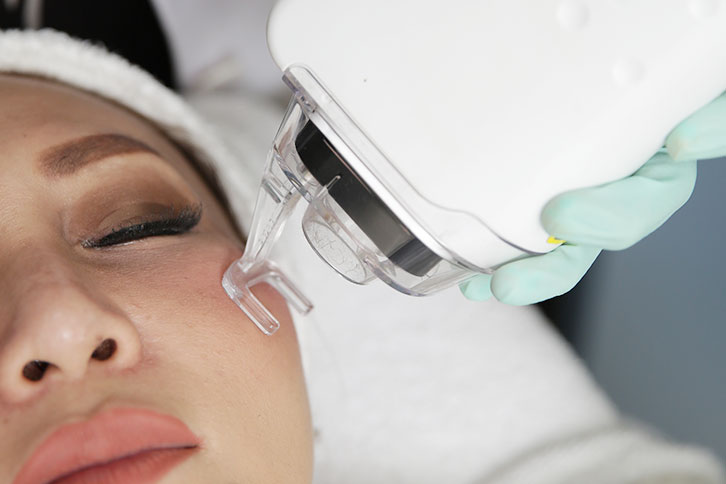
Darker skin (Fitzpatrick IV–VI) contains higher melanin levels, which increases susceptibility to side effects during laser treatments. Special precautions are required.
Common Risks
- Post-Inflammatory Hyperpigmentation (PIH): Darkening of treated areas
- Hypopigmentation: Lightening of skin if pigment cells are over-targeted
- Scarring: Rare, but possible with aggressive or ablative treatments
- Redness and swelling: Often temporary, but can be more pronounced
How to Reduce Risk
- Use lasers with longer wavelengths (e.g., 1064 nm Nd:YAG)
- Lower energy settings and gradual treatment approach
- Pre-treatment with skin-lightening or barrier-supporting topicals
- Experienced provider familiar with darker skin types
Key Point: Lasers for darker skin require customization—one-size-fits-all approaches can lead to permanent pigmentation changes.
5. What Does Post-Laser Care Involve?
Proper aftercare is critical to maximize results and minimize complications. Recovery protocols vary slightly depending on the type of laser used.
Immediate Care
- Avoid touching or picking at the treated area
- Apply soothing ointments or recommended creams
- Ice packs can reduce swelling or discomfort
Sun Protection
- Strict SPF 30–50 daily
- Avoid direct sun exposure for 2–4 weeks
- Protective hats and clothing
Skincare Adjustments
- Gentle cleansers and moisturizers
- Avoid retinoids, acids, or exfoliating products for 5–7 days
- Resume normal skincare gradually under professional guidance
Healing Timeline
- Redness and mild swelling: 1–3 days for non-ablative lasers, up to 7 days for ablative
- Pigment crusting or darkening: Typically resolves within 7–14 days
- Full results: Often visible after 2–4 weeks, depending on treatment depth
Proper adherence to post-care instructions dramatically reduces the risk of complications and ensures optimal pigment clearance.
6. Are Laser Treatments the Right Choice for Hyperpigmentation?
Laser treatments are highly effective for stubborn pigmentation, especially when combined with:
- Topical maintenance (hydroquinone alternatives, vitamin C, niacinamide)
- Sun protection
- Lifestyle modifications (avoiding excessive heat or sun exposure)
However, patient selection, skin type assessment, and provider expertise are critical. Lasers are not one-size-fits-all; individualized plans ensure safety and achieve the most natural, lasting results.
7. Final Thoughts
Laser therapy for hyperpigmentation offers a precise, targeted solution for uneven skin tone, sun spots, melasma, and post-inflammatory marks. When performed correctly, it can deliver dramatic improvement with minimal downtime.
For darker skin tones, cautious selection of wavelength, energy settings, and treatment intervals is crucial. Pairing laser treatments with a consistent post-laser care regimen—including sun protection, gentle skincare, and hydration—maximizes effectiveness while minimizing risk.
Ultimately, understanding how lasers work, what types are suitable for your pigmentation, and how to care for your skin post-treatment empowers you to achieve a more even, luminous complexion safely and effectively.