






















The pursuit of a toned, sculpted physique has expanded beyond diet and exercise, with body contouring technologies offering non-invasive options for fat reduction and skin tightening. These treatments promise aesthetic improvements without surgery, downtime, or extensive recovery. However, understanding the differences between fat freezing, radiofrequency (RF), and ultrasound technologies, as well as their ideal treatment areas, expected results, safety profiles, and lifestyle considerations, is essential for choosing the right approach.
This comprehensive guide explores the science behind body contouring technologies, compares their effectiveness, and provides practical advice for achieving optimal results.
1. How Does Fat Freezing Work Compared to Radiofrequency and Ultrasound?
Body contouring technologies differ in how they target fat cells, stimulate collagen, and tighten skin.
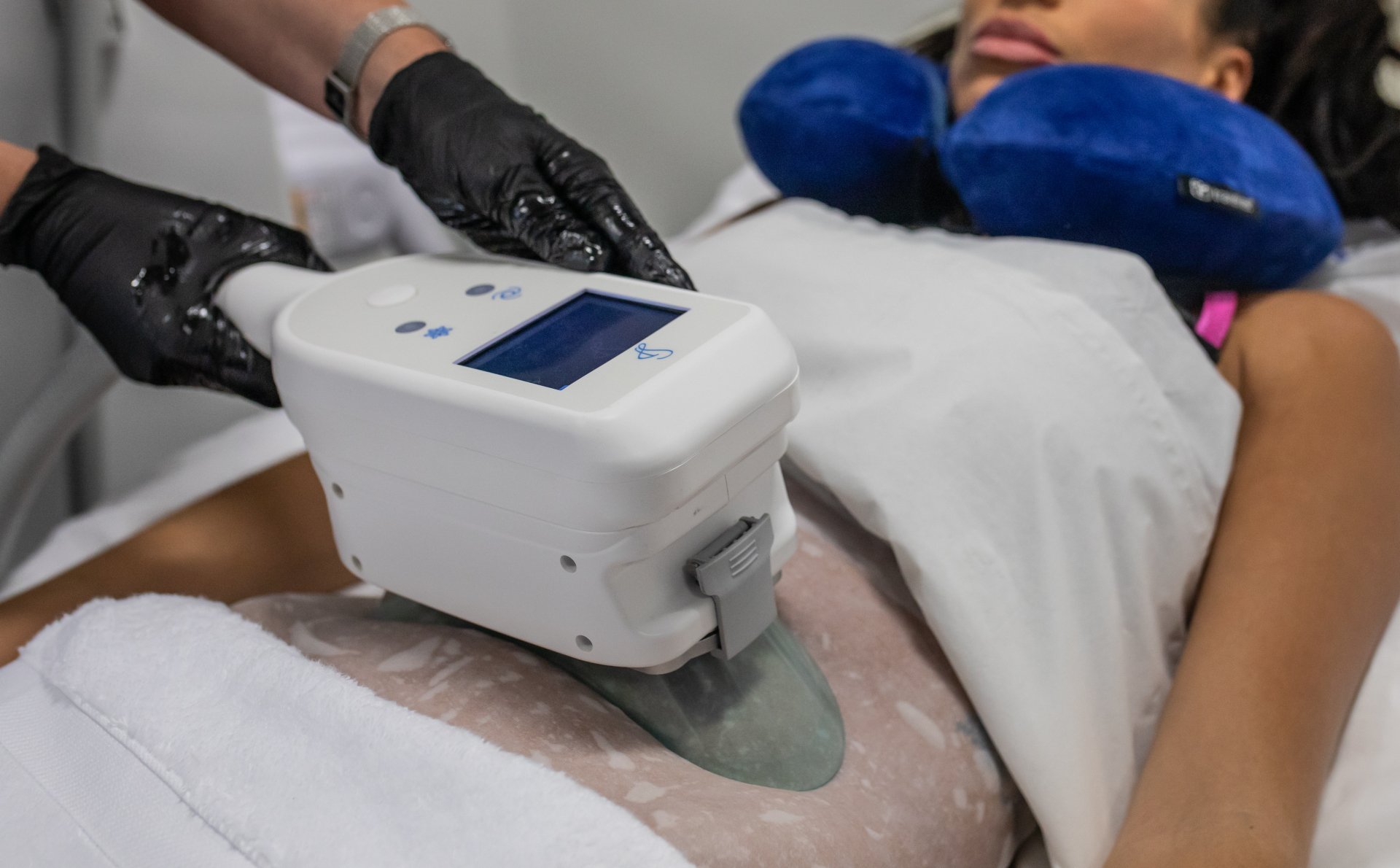
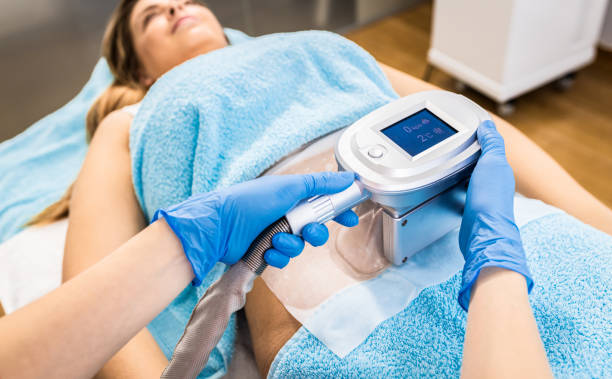
A. Fat Freezing (Cryolipolysis)
- Mechanism: Uses controlled cooling to target and crystallize fat cells, which then undergo apoptosis (natural cell death) and are gradually eliminated by the body.
- Key Feature: Non-invasive fat reduction without affecting surrounding tissues
- Typical Areas: Abdomen, love handles, thighs, arms, double chin
- Results Timeline: Visible results often appear 6–12 weeks post-treatment, with maximum effect at 3 months
B. Radiofrequency (RF)
- Mechanism: Delivers energy to the dermis and subcutaneous tissue, producing heat that stimulates collagen production, tightens skin, and reduces mild fat deposits.
- Key Feature: Simultaneously addresses skin laxity and contouring
- Typical Areas: Abdomen, arms, thighs, buttocks, jawline
- Results Timeline: Progressive improvements over 2–4 months, often requiring multiple sessions
C. Ultrasound (High-Intensity Focused Ultrasound, HIFU)
- Mechanism: Uses focused ultrasound waves to penetrate deeper fat layers, disrupting fat cell membranes while stimulating collagen and elastin.
- Key Feature: Targets localized fat pockets and tightens skin
- Typical Areas: Abdomen, flanks, thighs, submental area
- Results Timeline: Gradual results over 8–12 weeks, with improvement continuing for several months
2. What Are the Best Areas for Body Contouring Treatments?
The effectiveness of body contouring technologies depends on treatment location, fat thickness, and skin quality.
A. Abdomen
- Fat freezing: effective for stubborn belly fat
- RF & Ultrasound: improve skin tightness and reduce mild subcutaneous fat
B. Flanks / Love Handles
- Fat freezing: precise targeting for noticeable contouring
- RF: complements fat reduction by tightening skin
C. Thighs
- Fat freezing: outer thigh “saddlebag” reduction
- RF/Ultrasound: improve skin texture and prevent sagging
D. Arms
- Fat freezing: upper arm fat pockets, limited for small areas
- RF: ideal for mild sagging and skin laxity
E. Submental Area (Double Chin)
- Fat freezing: targets small pockets under the chin
- Ultrasound: tightens and reduces localized fat
Note: Large volumes of fat may not respond as dramatically; these technologies are best for localized stubborn fat pockets rather than weight loss.
3. What Results Can You Expect from Each Technology?
Results vary by patient, treatment type, and adherence to post-treatment recommendations.
A. Fat Freezing
- Average fat reduction per session: 20–25% in targeted area
- Natural-looking contour changes
- Gradual improvement over weeks to months
B. Radiofrequency
- Mild fat reduction with noticeable skin tightening
- Improved tone and firmness
- Multiple sessions often required for optimal effect
C. Ultrasound
- Targeted fat reduction and improved skin elasticity
- Works well on moderate fat pockets
- Subtle but progressive contouring
Key Point: Results are gradual and cumulative, creating subtle, natural-looking body shaping rather than dramatic surgical outcomes.
4. What Are the Safety Profiles of These Treatments?
Non-invasive body contouring technologies generally have favorable safety profiles, but understanding potential side effects is important.
A. Fat Freezing
- Common: temporary redness, swelling, bruising, numbness
- Rare: paradoxical adipose hyperplasia (rare increase in fat at the treatment site)
- Minimal downtime; most resume normal activities immediately
B. Radiofrequency
- Common: mild warmth, tingling, redness
- Rare: burns if improperly applied
- Safe for most skin types with proper device settings
C. Ultrasound
- Common: slight discomfort during treatment, temporary redness or swelling
- Rare: localized pain or bruising
- Requires professional expertise for precise depth targeting
Overall: Non-surgical body contouring is low-risk, but results depend heavily on operator skill, patient selection, and device quality.
5. What Lifestyle Considerations Influence Treatment Success?
While body contouring can enhance shape, long-term results depend on healthy lifestyle habits.
A. Diet
- Maintain a balanced diet rich in whole foods
- Avoid excessive sugar and processed foods, which can promote fat accumulation
B. Exercise
- Regular cardiovascular and strength training supports fat metabolism
- Contoured areas respond better when overall body fat is managed
C. Hydration
- Adequate water intake improves lymphatic clearance of fat after treatment
- Supports skin elasticity and recovery
D. Weight Stability
- Significant weight fluctuations can reduce treatment effectiveness
- Ideal candidates are near their target weight with localized fat pockets
E. Maintenance
- Periodic touch-up sessions may be required
- Combining modalities (e.g., RF for skin tightening after fat freezing) can enhance outcomes
Key Insight: Non-invasive contouring is not a substitute for healthy lifestyle habits, but rather a complement to them.
6. Combining Technologies for Optimal Results
Many clinics recommend a multi-modal approach to achieve the best body contouring outcomes:
- Fat freezing + RF: Freeze fat while tightening loose skin
- Ultrasound + RF: Target deeper fat layers and improve skin firmness
- Sequential treatments: Staggering modalities over weeks enhances natural-looking results
Customizing treatment plans based on individual anatomy and goals ensures both safety and effectiveness.
7. Final Thoughts: How Should You Choose the Right Body Contouring Technology?
Non-surgical body contouring offers safe, effective, and minimally invasive alternatives to liposuction and surgical procedures. Each technology—fat freezing, radiofrequency, and ultrasound—has distinct mechanisms, treatment areas, and results profiles:
- Fat Freezing: Best for stubborn fat pockets with gradual, noticeable reduction
- Radiofrequency: Ideal for mild fat reduction and skin tightening
- Ultrasound: Effective for localized fat disruption with collagen stimulation
Patient selection, treatment goals, lifestyle factors, and realistic expectations are critical. Consulting with a qualified professional ensures proper assessment and a personalized plan, maximizing results while maintaining safety.
Non-surgical body contouring is not a weight-loss solution but a strategic approach to sculpt, refine, and enhance natural body contours.