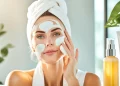









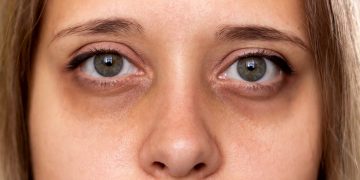












Our skin is more than a protective barrier—it is a reflection of our internal health, including mental and emotional wellbeing. Stress, anxiety, and depression can trigger or exacerbate skin conditions such as acne, eczema, psoriasis, and rosacea. The relationship between mental health and skin is bidirectional: skin issues can worsen psychological distress, creating a challenging cycle. Understanding this connection and implementing strategies that integrate mind-body techniques, nutrition, and relaxation can improve both emotional and skin health.
This article explores the science behind stress-related skin issues, effective mind-body techniques, nutritional strategies for emotional wellness, and daily relaxation practices to support healthy, resilient skin.
1. How Does Stress Trigger Skin Issues?
Stress activates the hypothalamic-pituitary-adrenal (HPA) axis, resulting in the release of cortisol and other stress hormones. These hormones have direct effects on the skin’s structure, immune response, and barrier function.
A. Increased Sebum Production
- Cortisol stimulates sebaceous glands, leading to oily skin and acne flare-ups.
- Stress-induced breakouts often appear on the forehead, chin, and jawline.
B. Inflammation and Immune Response
- Chronic stress promotes inflammatory cytokines, worsening conditions like eczema, psoriasis, and rosacea.
- Inflammation reduces the skin’s ability to repair, slowing wound healing and recovery.
C. Barrier Function Impairment
- Stress weakens the stratum corneum, causing dryness, sensitivity, and irritation.
- Reduced barrier integrity makes the skin more susceptible to allergens and environmental stressors.
D. Sleep Disruption
- Anxiety and stress often interfere with sleep, reducing collagen production and cellular repair.
- Sleep-deprived skin appears dull, with increased fine lines and puffiness.
Key Insight: Stress does not just manifest internally; it visibly affects skin health, highlighting the importance of mental wellness in a comprehensive skincare regimen.
2. Which Mind-Body Techniques Can Improve Skin and Mental Health?
Incorporating mind-body practices can reduce stress hormones, enhance circulation, and support overall skin resilience.
A. Meditation and Mindfulness
- Focused breathing and guided meditation lower cortisol and improve emotional regulation.
- Regular practice reduces inflammation markers, benefiting acne, eczema, and rosacea.
B. Yoga and Stretching
- Promotes circulation and oxygen delivery to skin cells.
- Combines physical activity with mental relaxation for dual benefits.
- Specific poses may stimulate lymphatic flow, reducing puffiness and promoting a healthy glow.
C. Breathing Techniques
- Diaphragmatic or box breathing calms the nervous system.
- Improves oxygenation, supporting collagen synthesis and cellular repair.
D. Journaling and Cognitive Techniques
- Expressive writing or gratitude journaling helps manage anxiety and depressive symptoms.
- Reduces stress-induced flare-ups by lowering emotional triggers.
Tip: Mind-body techniques are most effective when practiced daily or several times per week, creating a cumulative benefit for both skin and emotional health.

3. How Can Nutrition Support Emotional Wellness and Skin Health?
Diet significantly influences both mental state and skin condition. Foods rich in omega-3 fatty acids, antioxidants, and micronutrients help regulate inflammation and improve mood.
A. Anti-Inflammatory Foods
- Fatty fish, walnuts, chia seeds, and flaxseed reduce systemic inflammation.
- Lower inflammation decreases acne, eczema, and other stress-exacerbated skin conditions.
B. Antioxidant-Rich Fruits and Vegetables
- Berries, leafy greens, citrus, and peppers combat oxidative stress caused by cortisol and environmental factors.
- Supports collagen integrity and reduces premature aging.
C. Gut-Brain-Skin Connection
- Probiotic-rich foods like yogurt, kefir, kimchi, and sauerkraut promote healthy gut microbiota.
- Balanced gut microbiome improves mood regulation and may reduce acne severity.
D. Nutrients Supporting Mood and Sleep
- Magnesium (nuts, seeds, dark chocolate) supports relaxation and reduces anxiety.
- B vitamins (whole grains, leafy greens, eggs) regulate neurotransmitters and enhance emotional balance.
- Adequate protein intake stabilizes blood sugar, reducing irritability and stress-induced skin reactions.
E. Limiting Pro-Inflammatory Foods
- Refined sugars, excessive caffeine, and processed foods can exacerbate inflammation and hormonal imbalance, triggering skin flare-ups.
Insight: Combining mental wellness-focused nutrition with topical skincare creates a holistic approach to managing stress-related skin issues.
4. What Daily Relaxation Strategies Promote Skin Health?
Integrating relaxation practices into daily life reduces stress, improves sleep, and supports skin recovery.
A. Evening Wind-Down Routine
- Avoid screens 1–2 hours before bed to reduce blue light exposure.
- Gentle stretching or yoga combined with calming music prepares the body for restorative sleep.
B. Skincare as a Relaxation Ritual
- Cleanse, tone, and moisturize with mindfulness to engage the senses.
- Facial massage with rollers or gua sha enhances circulation and provides tactile stress relief.
C. Nature and Sunlight Exposure
- Morning sunlight helps regulate circadian rhythm, boosting mood and improving sleep quality.
- Time outdoors supports Vitamin D synthesis, which plays a role in immune regulation and skin health.
D. Micro-Breaks During the Day
- Short meditation, breathing exercises, or stretching breaks reduce cumulative stress.
- Helps prevent flare-ups from stress accumulation over the day.
5. How Can Understanding the Mind-Skin Connection Transform Skincare?
Recognizing the link between mental health and skin allows for proactive, integrative approaches:
- Addressing stress, anxiety, and sleep quality can reduce flare-ups of acne, eczema, and rosacea.
- Combining nutrition, mindfulness, and relaxation routines enhances skin resilience and prevents premature aging.
- Skincare alone is insufficient without addressing internal triggers; holistic strategies produce the most effective, long-term results.
Practical Approach: Daily rituals that support both mental and skin health—hydration, balanced nutrition, meditation, and mindful skincare—create a feedback loop where emotional wellness and skin radiance reinforce each other.
6. Final Thoughts: Can Prioritizing Mental Health Improve Skin Condition?
The interplay between mind and skin is undeniable. Stress and emotional imbalance manifest in breakouts, dryness, inflammation, and accelerated aging. By adopting mind-body practices, nutrition strategies, and relaxation techniques, you can:
- Reduce cortisol and inflammatory markers
- Promote cellular repair and collagen production
- Stabilize oil production and calm reactive skin
- Support emotional resilience and overall wellbeing
Ultimately, caring for mental health is essential for healthy, radiant skin. Integrating these practices into daily life ensures that emotional wellness and skin health advance hand in hand, fostering natural glow, resilience, and youthful vitality.