


























We are obsessed with blood circulation, but there is another, more subtle river flowing through our bodies that is just as critical to our health and appearance: the lymphatic system. This vast network of vessels and nodes is our body’s primary waste-removal and immune-defense highway. Unlike the blood, which is pumped by the powerful heart, lymph relies almost entirely on the rhythmic contraction of our muscles and the movement of our diaphragm to flow. A sedentary lifestyle, stress, and tight clothing can cause this system to become sluggish, leading to a buildup of metabolic waste, toxins, and excess fluid. The consequences are tangible: persistent puffiness, especially in the face and limbs, stubborn cellulite, low energy, and a compromised immune response. The good news is that you can actively support this vital system. By incorporating a simple, daily movement routine, you can “wake up” your lymphatic flow, leading to a less puffy, more energized, and resilient you.
1. The Silent Sanitation System: Why Lymph Flow is Crucial for Health
To understand why movement is non-negotiable for lymphatic health, you must first understand what the lymphatic system does and why it’s so vulnerable to stagnation.
The Lymphatic System’s Core Functions:
- Waste Removal: It is the body’s sanitation department. It collects excess fluid, dead cells, proteins, and other metabolic waste from the tissues between your cells (the interstitial space) that the bloodstream cannot reabsorb. If this waste isn’t removed, it leads to swelling (edema) and tissue congestion.
- Immune Defense: Lymph nodes are strategic checkpoints filled with immune cells (lymphocytes). As lymph fluid passes through them, these cells identify and neutralize pathogens like bacteria, viruses, and toxins. A sluggish flow means a slower immune response.
- Fat Absorption: The lymphatic system in the gut (lacteals) absorbs dietary fats and fat-soluble vitamins, transporting them to the bloodstream.
The Problem of Stagnation:
Because the lymphatic system lacks a central pump, its flow is passive and highly dependent on external forces. When we sit for long periods or live a sedentary life, the lymph has no consistent stimulus to move. This stagnation creates a cascade of effects:
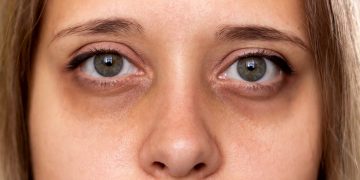
- Visible Puffiness: Fluid buildup in the face (especially under the eyes), hands, ankles, and abdomen.
- Cellulite: Stagnant fluid and toxins can accumulate in fat cells, pushing against connective tissue and creating the dimpled appearance of cellulite.
- Brain Fog and Fatigue: A congested system means the brain and body are bathing in their own metabolic waste, leading to low energy and mental cloudiness.
- Frequent Illness: A stagnant system cannot efficiently transport immune cells to where they are needed, leaving you more susceptible to infections.
2. The Movement Medicine: Simple Home Exercises to Stimulate Flow
The goal of lymphatic exercise is not intensity, but consistency and rhythm. Gentle, rhythmic movements that engage large muscle groups are the most effective.
1. Rebounding (Mini-Trampoline): This is often called the ultimate lymphatic exercise.
- Why it Works: The gentle, repeated acceleration and deceleration as you bounce creates changes in gravity that open and close the one-way valves in the lymphatic vessels, powerfully pumping fluid toward the thoracic duct. It engages every muscle and every lymph capillary simultaneously.
- The Routine: Simply bounce gently for 5-15 minutes daily. You don’t need to jump high; a light, rhythmic bounce with your feet staying on the mat is sufficient.
2. Diaphragmatic Breathing (“Belly Breathing”): Your diaphragm acts as a powerful secondary pump for the lymph, which is concentrated in the chest.
- Why it Works: As you inhale deeply, the diaphragm descends, creating a vacuum that pulls lymph upward from the abdomen. As you exhale, the diaphragm rises, compressing the thoracic duct and pushing the lymph forward.
- The Routine: Lie on your back with knees bent. Place one hand on your chest, the other on your belly. Inhale slowly through your nose, feeling your belly rise. Exhale slowly through your mouth, feeling your belly fall. Repeat for 2-5 minutes, 2-3 times a day.
3. “Lymphatic Walking”: A simple twist on a daily activity.
- Why it Works: The calf muscles are known as the “second heart” for their role in pumping venous blood and lymph from the legs back up toward the torso.
- The Routine: While walking, consciously roll through your foot from heel to toe, giving a strong push-off with your calf muscle. Swing your arms naturally. Aim for a brisk 20-30 minute walk daily.
4. Gentle Yoga Flow:
- Poses like Legs-Up-The-Wall (Viparita Karani), Cat-Cow, and gentle twists are excellent. They use gravity and muscle contraction to encourage drainage from the limbs and abdomen.

3. The Glow from Within: Facial Lymphatic Drainage Techniques
The face and neck have a dense network of lymph nodes. Stagnation here leads to morning puffiness, under-eye bags, a dull complexion, and even tension headaches.
The Basic Facial Drainage Sequence:
Always start with a clean face and use a light oil or serum to allow your fingers to glide smoothly. Use a very gentle touch—imagine you’re trying to not crush a grape.
- Neck Drainage (The Foundation): Using the backs of your knuckles or flat fingers, make long, sweeping motions from the base of your neck up toward the jawline, then from the center of your chin out towards your ears. This clears the pathway for facial lymph to drain.
- Jawline and Cheeks: Place three fingers on the center of your chin. Using gentle pressure, sweep along your jawline all the way up to your earlobes. Repeat from the corners of your mouth to your ears, and then from the sides of your nose to your ears.
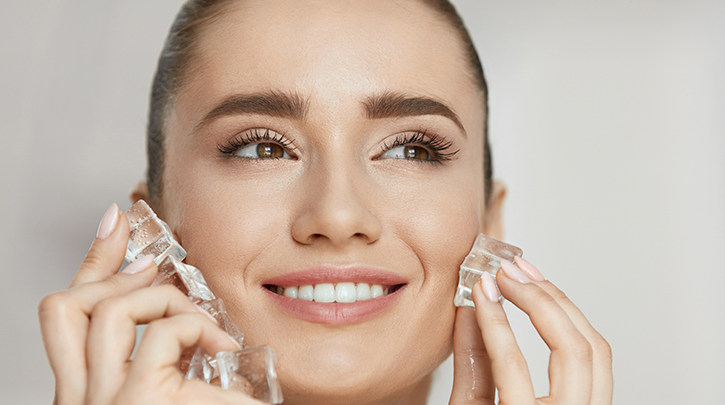
- Under-Eye Area: Using your ring fingers (your weakest fingers), gently sweep from the inner corner of your eye, along the under-eye bone, to the temple. Then, continue the motion down the side of your face toward the lymph nodes in your neck.
- Forehead and Brow Bone: Sweep from the center of your forehead out towards the temples and down the neck.
- Finish at the Nodes: Always end by gently stimulating the key lymph node clusters located behind your earlobes, under your jawline, and in the hollows above your collarbones. Use small, circular motions.
Performing this 3-5 minute routine morning and night can dramatically reduce puffiness and enhance your natural facial contours.
4. The Internal Current: Supporting Your Lymph with Hydration and Diet
Movement is the pump, but lymph itself is 95% water. Without adequate hydration and the right nutrients, the river cannot flow.
Hydration is Non-Negotiable:
Lymph is a watery fluid. Dehydration makes it thick and sluggish, like trying to pump sludge through a fine network of tubes.
- Water: Sip room-temperature or warm water throughout the day. Cold water can cause tissues to tense up, while warm water is more relaxing for the smooth muscles of the lymph vessels.
- Herbal Teas: Lemon water, dandelion tea, and parsley tea are gentle lymph-moving and hydrating options.
Dietary Support:
- Reduce Inflammatory Foods: Processed foods, excess sugar, and unhealthy fats create more metabolic waste for the lymphatic system to clean up, overwhelming it.
- Increase Chlorophyll-Rich Foods: Leafy green vegetables (spinach, kale, arugula) are naturally cleansing and help to purify the blood and lymph.
- Incorporate Healthy Fats: Omega-3 fatty acids (from flaxseeds, walnuts, salmon) help reduce inflammation, making the lymph’s job easier.
- Eat More Fruits and Vegetables: Their high water content and potassium help to flush excess sodium and fluid from the tissues.
Your lymphatic system is the unsung hero of your health, and its function is directly in your hands. By dedicating just 10-20 minutes each day to rhythmic movement, mindful breathing, and facial massage, you can actively support this critical waste-removal system. When you combine this movement with consistent hydration and an anti-inflammatory diet, you create a powerful synergy that reduces puffiness, boosts immunity, and fosters a profound sense of vitality from the inside out. This daily routine is not a chore; it is a loving dialogue with your body’s innate wisdom, ensuring that its silent rivers continue to flow freely.