



























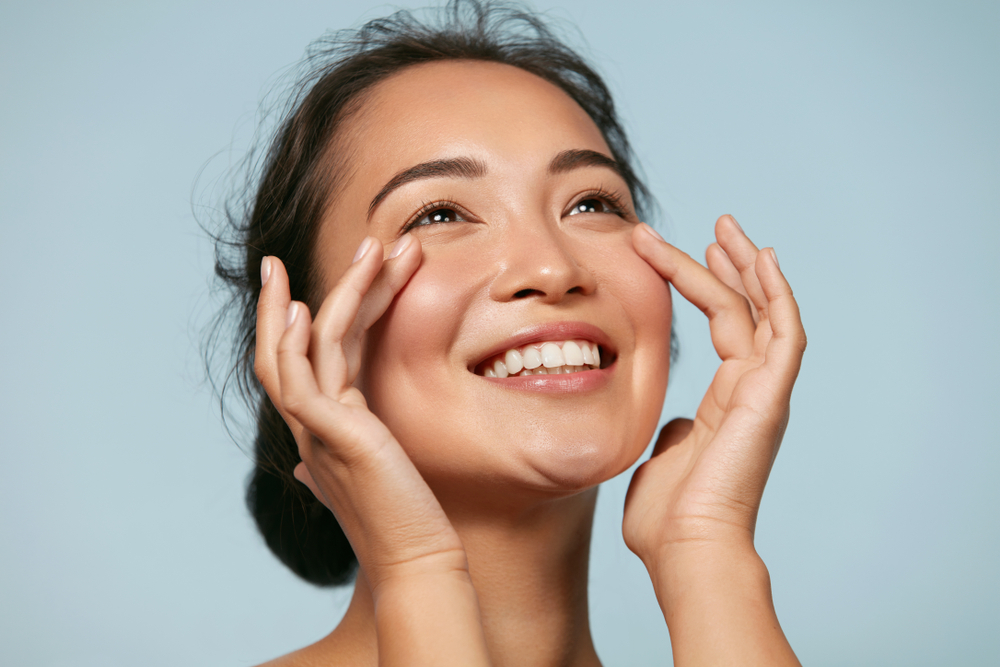
In the ever-evolving world of beauty and wellness, trends come and go with the seasons. Yet, amidst a sea of serums, supplements, and superfoods, one group of nutrients has consistently held its ground, backed by a growing body of scientific evidence: omega-3 fatty acids. Once celebrated primarily for their cardiovascular and cognitive benefits, these essential fats are now stepping into the spotlight for their profound impact on our external radiance. But is the hype justified? Can something as fundamental as a dietary fat truly be the missing link to achieving dewy, resilient skin and strong, lustrous hair? The answer, it appears, is a resounding yes. This article delves deep into the science behind omega-3s, exploring their pivotal role in fortifying our body’s largest organ, nurturing our hair follicles, and ultimately, serving as a cornerstone of holistic beauty from the inside out.
The Science of Omega-3s: A Brief Primer
Before we explore their beauty benefits, it’s crucial to understand what omega-3s are. They are a family of polyunsaturated fatty acids that are “essential,” meaning our bodies cannot produce them; we must obtain them through our diet. The three most important types are:
- ALA (Alpha-linolenic acid): Primarily found in plant sources. The body can convert ALA into EPA and DHA, but the process is inefficient.
- EPA (Eicosapentaenoic acid): Known for its potent anti-inflammatory effects.
- DHA (Docosahexaenoic acid): A primary structural component of the brain, retina, and skin.
It is the powerful combination of anti-inflammatory action and cellular structural support that makes EPA and DHA, predominantly found in marine sources, so critical for beauty and wellness.
Skin Barrier Benefits: Your Internal Moisturizer
The skin is our first line of defense against the external world, and its health is largely dictated by the strength of its barrier—the stratum corneum. A compromised barrier leads to transepidermal water loss (TEWL), resulting in dry, flaky, irritated, and sensitive skin. This is where omega-3s shine.
- Fortifying the Lipid Barrier: The skin’s barrier is composed of cells held together by a lipid matrix, often described as “bricks and mortar.” Omega-3 fatty acids, particularly DHA, are integral components of this “mortar.” By incorporating themselves into skin cell membranes, they help maintain its integrity and fluidity. This robust barrier is better at retaining moisture, keeping skin plump, hydrated, and resilient against environmental aggressors like pollution and harsh weather.
- Powerful Anti-Inflammatory Action: Many common skin concerns, including acne, rosacea, psoriasis, and atopic dermatitis (eczema), have inflammation at their root. EPA is a potent anti-inflammatory agent. When consumed, the body uses EPA to produce compounds called eicosanoids, which actively reduce inflammation throughout the body, including the skin. Studies have shown that omega-3 supplementation can help calm systemic inflammation, leading to a reduction in the redness, swelling, and irritation associated with these inflammatory skin conditions.
- Protection Against Photoaging: Sun exposure is a primary driver of premature aging, causing collagen degradation, wrinkles, and sunspots through a process involving inflammatory UV radiation damage. While omega-3s are not a substitute for sunscreen, they offer a layer of internal protection. Their anti-inflammatory properties can help mitigate the skin’s inflammatory response to UV rays. Furthermore, some research suggests they may help preserve skin collagen, the protein responsible for skin’s firmness and elasticity, thereby reducing the potential for photoaging.
- Managing Sebum Production and Acne: For those with acne-prone skin, omega-3s can offer a balancing act. Their anti-inflammatory effects directly help reduce the red, painful cysts associated with inflammatory acne. There is also emerging evidence that they may help regulate sebum production, leading to less oily skin and a reduced likelihood of clogged pores.

Hair Growth Benefits: Nourishing the Follicle
Just as the skin benefits from internal nourishment, so too does the hair. Hair growth is a complex cycle, and disruptions caused by inflammation or nutrient deficiencies can lead to thinning and hair loss.
- Promoting the Anagen (Growth) Phase: Each hair follicle cycles through growth (anagen), transition (catagen), and resting (telogen) phases. To maintain a full head of hair, a high percentage of follicles need to be in the active anagen phase. Omega-3s, with their anti-inflammatory properties, can help create a healthy scalp environment. Chronic inflammation around the hair follicle can prematurely push it into the telogen phase. By calming this inflammation, omega-3s may help extend the growth phase, leading to longer, thicker hair over time.
- Increasing Hair Density and Thickness: Some compelling studies have directly linked omega-3 and omega-6 supplementation to improved hair health. In one trial, women taking a supplement containing these fatty acids experienced a significant reduction in hair loss and an increase in hair diameter and density. The theory is that by improving blood circulation to the scalp and providing essential building blocks for the hair shaft itself, omega-3s support the production of stronger, thicker strands.
- Nourishing the Scalp: A healthy scalp is the foundation for healthy hair. Issues like dandruff and seborrheic dermatitis are often linked to inflammation and an overgrowth of yeast. By reducing systemic inflammation, omega-3s can help alleviate the flakiness and itchiness associated with these common scalp conditions, creating a more optimal environment for hair growth.
Food Sources: Getting Your Omega-3s from the Source
The most effective and bioavailable way to incorporate omega-3s into your regimen is through your diet.
- EPA and DHA (Marine Sources):
- Fatty Fish: Salmon, mackerel, sardines, herring, and anchovies are the gold standard. Aim for at least two servings per week.
- Algae Oil: A fantastic, sustainable, and vegan-friendly source of both EPA and DHA, derived from the microalgae that fish themselves consume.
- Fish Oil and Krill Oil: Concentrated sources available in supplement form.
- ALA (Plant Sources):
- Flaxseeds and Flaxseed Oil: One of the richest sources of ALA.
- Chia Seeds: Versatile and easy to add to smoothies, yogurt, and oatmeal.
- Hemp Seeds: Offer a good balance of omega-3 and omega-6 fatty acids.
- Walnuts: A convenient and tasty snack rich in ALA.
- Edamame and Soybean Oil.
It is important to note that while ALA is beneficial, the body’s conversion to EPA and DHA is limited (often less than 10%). Therefore, for direct beauty and anti-inflammatory benefits, prioritizing marine-based EPA and DHA is highly recommended.
Supplement Guidelines: Navigating the Options
While food should always be the primary source, supplements can be a practical way to ensure adequate intake, especially for those who do not consume fish.
- When to Consider Supplements: If you follow a vegan or vegetarian diet, have a fish allergy, or simply cannot meet the recommended intake through food alone, supplements are an excellent option.
- Choosing a Quality Supplement:
- Form: Look for supplements that provide both EPA and DHA. The ratio can vary; for anti-inflammatory benefits, a higher EPA content is often emphasized.
- Purity and Sustainability: Choose brands that are third-party tested for purity (free from heavy metals like mercury and PCBs) and sustainability (look for certifications from organizations like MSC or Friend of the Sea).
- Triglyceride vs. Ethyl Ester: Triglyceride form is the natural form found in fish and is generally considered to have better absorption than the synthetic ethyl ester form.
- Dosage: For general health and beauty benefits, a combined EPA and DHA dosage of 1,000 to 2,000 mg per day is a common and safe range. It is always best to consult with a healthcare professional before starting any new supplement regimen, especially if you are on blood-thinning medications or have underlying health conditions.
- Consistency and Patience: Unlike a topical serum that can show results in days, the benefits of omega-3s are systemic and cumulative. It can take anywhere from six weeks to six months of consistent supplementation to see noticeable changes in skin hydration, reduced redness, or improved hair growth. This is a long-term investment in your foundational health.
Conclusion
The journey to radiant skin and healthy hair is multifaceted, involving genetics, topical care, and lifestyle. However, the role of nutrition is undeniable, and omega-3 fatty acids stand out as a powerful, internal elixir for beauty. By strategically fortifying the skin’s barrier, quenching systemic inflammation, and providing deep nourishment to hair follicles, they address the root causes of many common aesthetic concerns. So, can omega-3s truly unlock radiant skin and hair? The science confirms that by weaving these essential fats into the fabric of your diet—whether through a piece of grilled salmon, a sprinkle of chia seeds, or a high-quality supplement—you are not merely following a trend. You are engaging in a fundamental act of cellular nourishment, building a foundation of wellness that inevitably reflects on the outside as a vibrant, healthy glow.