





















We exfoliate our faces to reveal brighter skin, and our bodies to achieve smoother texture. Yet, we often completely neglect the foundation from which our hair grows: the scalp. Buried under layers of hair and product, the scalp is a dynamic ecosystem of skin cells, hair follicles, and sebaceous glands. When this ecosystem becomes congested with a buildup of dead skin cells, excess sebum, and environmental pollutants, the health and appearance of your hair can suffer dramatically. Scalp exfoliation is no longer a niche salon treatment; it is emerging as a crucial pillar of holistic hair care. But is it necessary for everyone? And if so, how can you do it safely and effectively without causing irritation? This comprehensive guide will delve into the transformative benefits of scalp exfoliation, demystify the differences between physical and chemical methods, provide a clear roadmap for frequency, and recommend suitable products to help you integrate this powerful practice into your routine, paving the way for a healthier scalp and more vibrant hair.
The Unseen Benefits: Why Your Scalp Craves Exfoliation
The scalp is skin, and just like the skin on your face, it undergoes a natural process of cell turnover. Every 28-30 days, the skin sheds its outermost layer of dead cells. Sometimes, this process is inefficient, and the dead cells accumulate, mixing with sweat and oil to form a stubborn layer of debris. Exfoliation actively assists this natural process, yielding a cascade of benefits.
- Unclogging Follicles for Optimal Growth: Each hair follicle is a tiny factory for hair production. When a follicle becomes clogged with a mixture of dead skin cells (corneocytes) and hardened sebum, it can impede the hair’s ability to grow properly. Think of a plant trying to push through compacted soil. By dissolving and physically removing this debris, exfoliation clears the path for new, healthy hair to emerge more easily and can create an environment that may support the anagen (growth) phase of the hair cycle.
- Reducing Flakiness and Dandruff: It’s critical to distinguish between simple flakiness and clinical dandruff. Flakiness is often the result of dry skin or product buildup, leading to small, white flakes. True dandruff (seborrheic dermatitis) is a fungal condition characterized by an overgrowth of yeast (Malassezia), leading to larger, oilier, yellow-tinged flakes and inflammation. While exfoliation is not a cure for seborrheic dermatitis, it is a powerful management tool. By removing the scale and buildup, it allows active ingredients from medicated shampoos (like ketoconazole or selenium sulfide) to penetrate more effectively and reach the scalp where they are needed.
- Improving Product Efficacy: Applying a pricey serum or treatment to a scalp covered in a layer of dead skin and product residue is like watering a plant with a plastic bag over the soil. The active ingredients cannot penetrate effectively. A freshly exfoliated scalp is a receptive canvas, allowing conditioners, scalp treatments, and growth serums to absorb deeply and work as intended, maximizing your investment.
- Balancing Oil Production: For those with an oily scalp, the buildup of dead skin can mix with excess sebum, creating a heavy, greasy film. Regular exfoliation helps to prevent this accumulation. Furthermore, some chemical exfoliants like salicylic acid can penetrate into the pores of the scalp, helping to dissolve excess oil and normalize sebum production over time.
- Enhancing Blood Circulation: The physical act of massaging an exfoliant into the scalp, whether with a tool or your fingertips, stimulates blood flow. Improved circulation delivers more oxygen and vital nutrients to the hair follicles, creating a more nourishing environment for hair growth.
Physical vs. Chemical Exfoliation: Choosing Your Tool
Just like facial exfoliation, scalp exfoliation falls into two main categories, each with distinct mechanisms and ideal use cases.
Physical Exfoliation: The Manual Approach
This method uses fine, abrasive particles or tools to manually slough away dead skin cells and buildup through friction.
- Common Ingredients/Tools: Sugar or salt crystals, finely ground nuts or seeds, jojoba beads, silicone scalp scrubbers, and soft-bristled brushes.
- Pros:
- Provides an immediate sense of deep cleansing and physical satisfaction.
- The massaging action is excellent for boosting circulation.
- Can be very effective at breaking up stubborn, visible flakes.
- Cons:
- Carries a higher risk of irritation if scrubbed too aggressively.
- Coarse, irregular particles (like large salt crystals or walnut shells) can create micro-tears in the scalp, especially if it’s sensitive or compromised.
- Can be messy to use in the shower.
Chemical Exfoliation: The Dissolving Solution
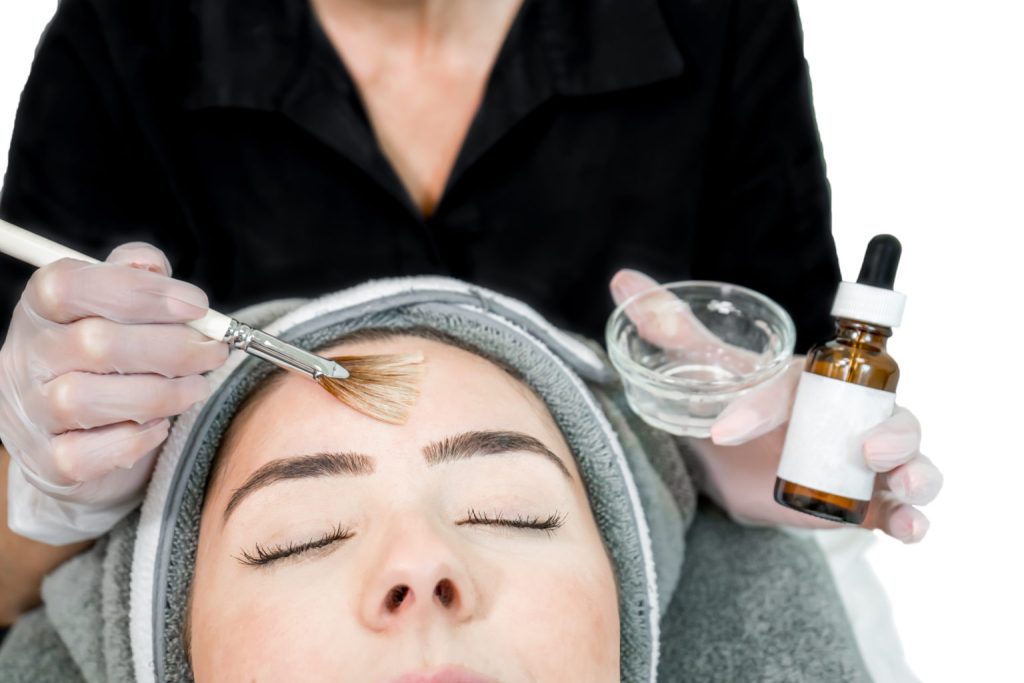
This method uses naturally occurring acids to chemically break down the “glue” (desmosomes) that holds dead skin cells together, allowing them to be rinsed away effortlessly.
- Common Ingredients:
- Alpha-Hydroxy Acids (AHAs): Like Glycolic and Lactic Acid. They work on the skin’s surface to hydrate and shed dead cells. Excellent for general flakiness and smoothing.
- Beta-Hydroxy Acid (BHA): Salicylic Acid. This is oil-soluble, allowing it to penetrate deep into the pores and follicles to dissolve the mix of sebum and dead skin cells. It is the gold standard for oily, acne-prone, or dandruff-afflicted scalps.
- Polyhydroxy Acids (PHAs): Like Gluconolactone and Lactobionic Acid. These are larger molecules that work more gently on the surface, making them ideal for sensitive, reactive, or eczema-prone scalps.
- Pros:
- Offers a more uniform and controlled exfoliation without the risk of physical abrasion.
- BHAs can address issues beneath the surface of the scalp.
- Generally gentler and better suited for sensitive skin types.
- Cons:
- Results are less immediately tactile.
- Requires more consistency to see benefits.
- Can cause initial purging or sensitivity if introduced too quickly.
Finding the Right Frequency: A Balanced Schedule
Exfoliation is a beneficial stressor, but over-exfoliation is a real and damaging possibility. It can strip the scalp’s natural barrier, leading to redness, irritation, dryness, and even compensatory overproduction of oil. Frequency is not one-size-fits-all and should be guided by your scalp type and the exfoliation method you choose.
- Oily, Thick, or Dandruff-Prone Scalp: This type can typically tolerate exfoliation 1-2 times per week. Using a BHA-based exfoliant can be particularly effective for managing oil and flakiness.
- Normal or Combination Scalp: A good starting point is once every 7-10 days. This is often enough to prevent buildup without risking over-drying. You can alternate between a gentle physical scrub and a mild chemical exfoliant.
- Dry, Sensitive, or Eczema-Prone Scalp: Proceed with caution. Once every 2 weeks, or even just once a month, is sufficient. Always opt for the gentlest options: PHA-based products or a very mild physical scrub used with a light touch.
- Color-Treated or Chemically Processed Hair: It is generally safe to exfoliate, but you should wait at least one week after your color service to allow the scalp to fully heal and the color to settle. Use a gentle, pH-balanced formula to avoid stripping color.
Listen to Your Scalp: The most important guideline is to observe how your scalp responds. If you experience any itching, stinging, or increased sensitivity, scale back immediately. Exfoliation should never hurt.
Suitable Products: Integrating Exfoliation into Your Routine
Scalp exfoliants come in various forms, making it easy to find one that fits your preferences.
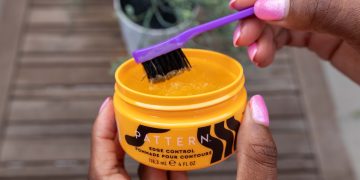
- Pre-Shampoo Scrubs: These are typically physical exfoliants in a paste or gel base. You apply them to a dry or damp scalp before showering, massage gently for a few minutes, and then follow with your regular shampoo and conditioner. They are excellent for a thorough, weekly deep clean.
- Look for: Products with smooth, dissolving particles like sugar, and nourishing oils to prevent excessive dryness.
- Exfoliating Shampoos: These are often chemical exfoliants integrated into a shampoo formula. They offer a convenient way to exfoliate as you cleanse. They are ideal for maintenance and are usually gentle enough for more frequent use (e.g., 2-3 times a week).
- Look for: Shampoos containing salicylic acid for oiliness, or glycolic acid for general exfoliation.
- Scalp Treatments and Serums: These are leave-in products, usually chemical exfoliants, that you apply to a clean, dry scalp and do not rinse out. They work over time to continuously regulate cell turnover and can be paired with growth serums.
- Look for: Lightweight, liquid formulas with AHAs or BHAs that won’t weigh hair down.
- DIY Options (Use with Caution): A simple paste of brown sugar and coconut oil or olive oil can be effective. However, be cautious as coconut oil is comedogenic for some and can clog follicles, and sugar can be overly stimulating for sensitive scalps. DIY recipes lack the pH-balancing and preservation of commercial products, so they should be used sparingly.
A Sample Routine:
- Week 1: Use a pre-shampoo physical scrub on Sunday.
- Week 2: Use an exfoliating shampoo with salicylic acid during your mid-week wash.
- Week 3: Use a pre-shampoo scrub again.
- Week 4: Give your scalp a rest, using only a gentle, hydrating shampoo.
Conclusion
The health of your hair is a direct reflection of the health of your scalp. Ignoring this foundational skin is like tending to a garden while neglecting the soil. Scalp exfoliation is not a harsh, unnecessary practice but a mindful, therapeutic one that can resolve issues of flakiness, oiliness, and product buildup at their source. By understanding the gentle power of chemical exfoliants and the satisfying cleanse of physical ones, you can select a method and frequency that resonates with your scalp’s unique needs. This practice, when done correctly, is the key to resetting your scalp’s environment, unlocking a new level of cleanliness, and creating the optimal conditions for hair that is not just superficially clean, but fundamentally healthier, stronger, and more vibrant from the root up.