














You’ve invested in the finest shampoos, committed to deep conditioning treatments, and sworn off heat styling, yet your hair remains a constant source of frustration—limp, dull, stubbornly tangled, and refusing to hold a style. Before you blame your products or your genetics, consider turning your investigation to your water source. The villain may not be in your shower caddy, but in your showerhead. Hard water, a common issue in over 85% of American households, is a silent aggressor that can systematically undermine all your hair care efforts. Rich in minerals like calcium and magnesium, this water leaves behind a cumulative residue that coats the hair shaft, disrupting its structure and behavior. This article will serve as a forensic guide to diagnosing hard water damage, exploring the immediate solutions like filters and specialized products, and outlining a long-term strategy to reclaim the health, shine, and manageability of your hair.
The Unseen Coating: Recognizing the Signs of Mineral Buildup
Hard water is defined by its high concentration of dissolved minerals, primarily calcium and magnesium. As this mineral-rich water flows over your hair, the positively charged calcium and magnesium ions are attracted to the negatively charged proteins (keratin) in your hair shaft. This results in a gradual, invisible accumulation of mineral deposits that fundamentally alters your hair’s properties.
The telltale signs of hard water damage are often mistaken for other hair issues, but they present a distinct pattern:
- Persistent Dryness and Brittleness: The mineral coating creates a rough, scaly surface on the hair cuticle. This rough texture prevents the cuticle from lying flat, making it impossible for your hair to retain moisture effectively. No matter how much conditioner you use, the hydration cannot penetrate or be held by the shaft, leading to hair that feels perpetually dry, straw-like, and prone to breakage.
- Lack of Shine and Dullness: Healthy, shiny hair is the result of a smooth, flat cuticle that reflects light like a mirror. The irregular mineral buildup on the cuticle scatters light in all directions, resulting in a dull, lackluster appearance. Your hair loses its natural luster and looks perpetually faded.
- Frizz and Unmanageability: The raised, rough cuticle creates immense friction between individual hair strands. This leads to relentless tangling, difficulty brushing, and a halo of frizz that defies even the most potent serums. Styles become difficult to achieve and fail to hold.
- Discoloration and Color Distortion: For those with color-treated hair, hard water is a particular nightmare. The mineral deposits can create a barrier that prevents dye from adhering evenly or penetrating deeply. Furthermore, the minerals can interact with the dye molecules themselves. Blondes often experience a brassy, orange, or greenish tint (from oxidized copper pipes interacting with the minerals), while brunettes may see their color turn muddy or dull.
- Scalp Irritation and Flakiness: This mineral film isn’t just on your hair; it’s also on your scalp. It can clog hair follicles, potentially impeding healthy growth, and disrupt the scalp’s natural microbiome. This can lead to itchiness, dryness, and a flakiness that resembles dandruff but is resistant to anti-dandruff shampoos.
The First Line of Defense: The Science and Benefits of Shower Filters
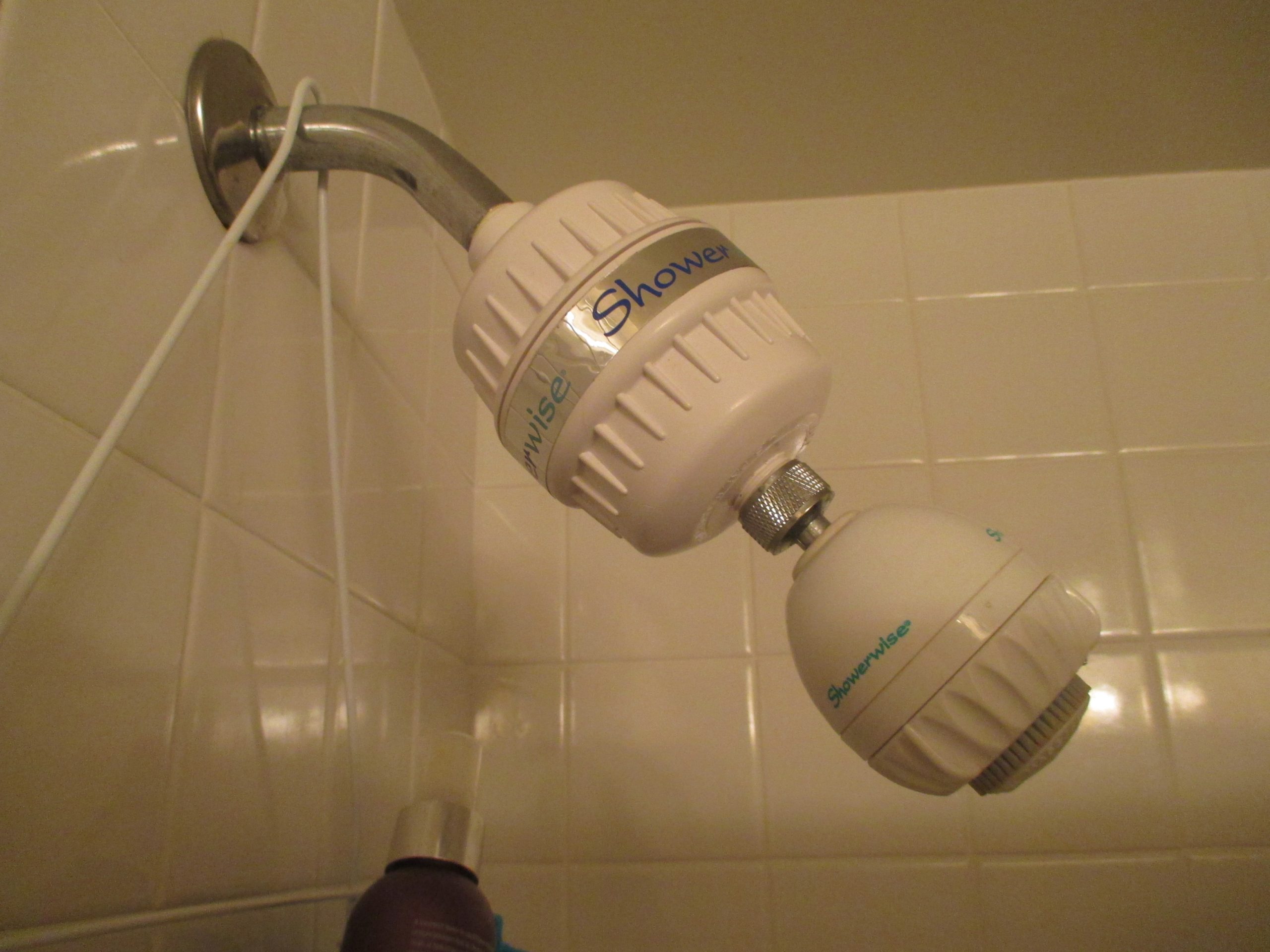
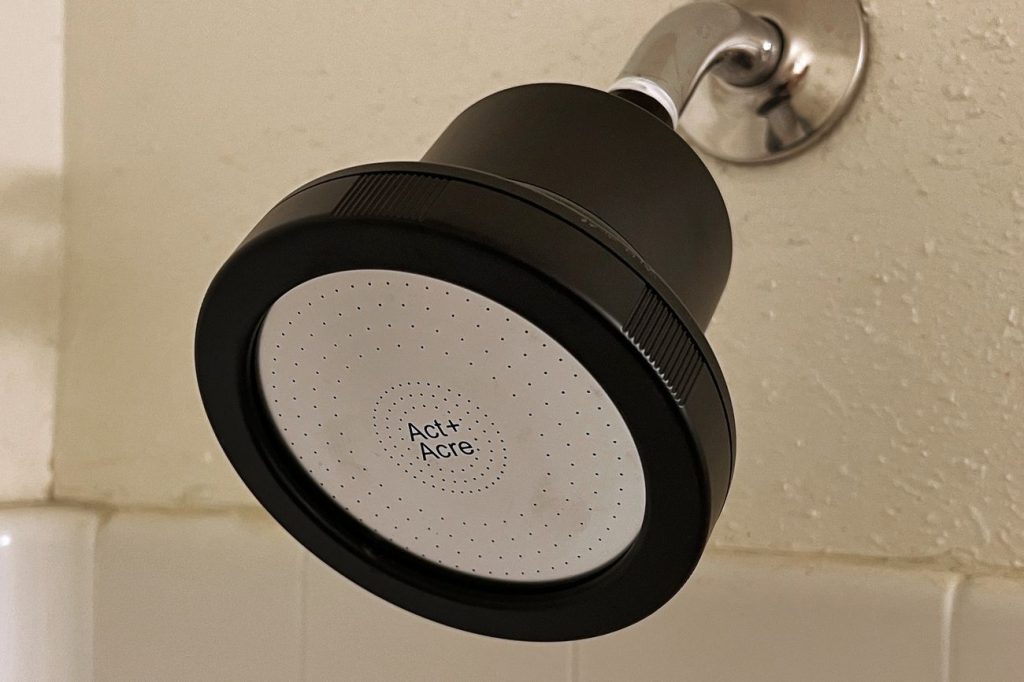
While a whole-house water softener is the most comprehensive solution, it is a significant investment. A more accessible and immediately effective first step is the installation of a showerhead filter.
How They Work:
Shower filters do not “soften” water in the technical sense (which involves an ion-exchange process). Instead, they use a multi-stage filtration media—often a combination of Kinetic Degradation Fluxion (KDF), activated carbon, and ceramic balls—to target the problematic minerals and chemicals.
- KDF: A high-purity copper-zinc formulation that uses a redox (reduction-oxidation) reaction to remove chlorine, heavy metals like lead and mercury, and to control scale.
- Activated Carbon: Excellent at absorbing chlorine, chloramines, and volatile organic compounds (VOCs) that contribute to dryness and odor.
Tangible Benefits for Hair:
- Immediately Softer Feel: After the first filtered shower, many people report their hair feels noticeably softer and smoother because the primary drying agent, chlorine, has been removed.
- Improved Lather: Without the calcium and magnesium ions interfering, your shampoo will lather more freely and richly, requiring less product to achieve a thorough cleanse.
- Reduced Tangling: As the mineral coating ceases to form, the hair cuticle begins to smooth out, leading to a significant reduction in friction and tangling.
- Truer Color: By filtering out minerals and metals, color-treated hair will hold its tone longer and remain free from unwanted brassy or green hues.
It’s important to note that filters have a lifespan (typically 6-12 months) and must be replaced regularly to remain effective.
The Deep Clean: The Critical Role of Chelating Products
When mineral buildup is already present, a regular shampoo is powerless against it. You need a chemical solution: a chelating shampoo.
What is Chelation?
Chelation is a chemical process where a specific molecule (a chelant) binds to a metal ion, forming a stable, water-soluble complex that can be easily rinsed away. In hair care, the most common and effective chelating agent is Disodium EDTA or Tetrasodium EDTA. Some natural alternatives include citric acid or phytic acid, though they are generally less potent.
How to Use a Chelating Shampoo:
- Frequency is Key: These are clarifying powerhouses and should not be used daily. For moderate hard water, once every 2-4 weeks is sufficient. For severe cases, once a week may be necessary.
- The Process: Thoroughly saturate your hair with warm water. Apply the chelating shampoo and work it into a rich lather. It’s crucial to let it sit on your hair for 3-5 minutes to allow the chelating agents time to bind to and dissolve the mineral deposits.
- Follow with a Deep Conditioner: The chelating process is deeply cleansing and can leave hair feeling dry. It is non-negotiable to follow it immediately with a rich, reparative deep conditioner or hair mask to replenish moisture and seal the cuticle.
The “Apple Cider Vinegar Rinse” Myth:
A popular DIY alternative is a rinse with diluted apple cider vinegar (ACV). The mild acidity can help to slightly dissolve some mineral buildup and smooth the cuticle, providing temporary shine. However, it is not a true chelator. It cannot form stable complexes with calcium and magnesium and is ineffective at removing significant, established buildup. It is a good maintenance rinse between chelating treatments but not a replacement for them.
Long-Term Prevention and Hair Care Adaptation
Managing hard water damage is an ongoing process that requires adapting your entire hair care regimen.
- Product Strategy:
- Emulate Swimmers’ Hair Care: Swimmers deal with similar mineral and chemical issues from pool water. Incorporate a chelating shampoo into your routine as your primary clarifying tool.
- Use Acidifying Products: Look for leave-in conditioners, creams, or mists that contain mild acids like citric acid or lactic acid. These help to maintain a slightly acidic pH on the hair and scalp, which discourages mineral deposition.
- Clarify Regularly: Even with a filter, a monthly clarifying treatment with a chelating shampoo will prevent any slow accumulation from becoming a problem.
- The Final Rinse Trick: Keep a jug of distilled water or filtered water from your fridge in your bathroom. After your final rinse in the shower, do one last quick rinse with this “clean” water. This helps to wash away any residual minerals from the hard water that was used during the main rinse, leaving your hair with a purer, mineral-free finish.
- Protective Pre-Washing: On days when you know you’ll be using a chelating shampoo, applying a light conditioner or hair oil to your ends before you shampoo can help protect them from over-drying during the intense cleansing process.
- Focus on Moisture and Protein Balance: Hair damaged by hard water is often both moisture-starved and protein-deficient due to the sealed, impermeable cuticle. Alternate between deeply hydrating masks (with ingredients like hyaluronic acid and ceramides) and strengthening protein treatments (with hydrolyzed keratin or wheat protein) to rebuild the hair’s internal structure.
Conclusion: From Dull to Resilient
Hard water presents a formidable challenge, turning the simple act of washing your hair into a source of cumulative damage. Its effects are insidious, masquerading as product failure or unmanageable hair types. However, by recognizing the distinctive signs of mineral buildup—the unshakeable dullness, the persistent dryness, the inexplicable color changes—you can correctly diagnose the problem. Armed with this knowledge, you can fight back effectively. A quality shower filter acts as a vital shield, a chelating shampoo serves as your powerful reset button, and an adapted long-term routine becomes your new standard of care. The journey to reversing hard water damage is one of consistency and correct product choice. By implementing this multi-pronged strategy, you can strip away the damaging mineral film, restore your hair’s natural porosity and smoothness, and finally achieve the healthy, vibrant, and manageable hair that has been hiding beneath the buildup all along.