
























The skin barrier is your body’s first line of defense against external aggressors, including pollution, UV rays, bacteria, and harsh chemicals. It plays a vital role in maintaining hydration, supporting immune function, and keeping the skin healthy and resilient. When the barrier is compromised, the skin can become dry, sensitive, inflamed, and prone to premature aging. Understanding the skin barrier, recognizing signs of damage, and implementing protective habits are essential for healthy, glowing skin. This guide explores everything you need to know about the skin barrier and how to maintain it.
1. What Is the Skin Barrier and Why Is It Important?
The skin barrier, also known as the stratum corneum, is the outermost layer of the skin. It consists of corneocytes (dead skin cells) embedded in a lipid matrix made of ceramides, cholesterol, and fatty acids. This “brick-and-mortar” structure acts as both a shield and a moisture reservoir.
Key Functions of the Skin Barrier:
- Protection from external aggressors: Blocks pollutants, microbes, and toxins.
- Prevents water loss: Maintains hydration and prevents dryness.
- Supports immune defense: Contains antimicrobial peptides that protect against infection.
- Maintains skin homeostasis: Helps regulate pH, temperature, and microbiome balance.
Without a strong barrier, the skin becomes more vulnerable to irritation, redness, and premature aging.
2. What Are the Signs of a Damaged Skin Barrier?
Recognizing early signs of a compromised barrier can help you intervene before damage worsens. Common signs include:
● Dry, Flaky, or Rough Skin
- Loss of lipids and water causes the skin to feel rough.
- Flaking indicates impaired barrier function.
● Redness and Sensitivity
- Skin may sting, burn, or appear red after applying products.
- Overreaction to environmental triggers is common.
● Breakouts or Inflammation
- Barrier dysfunction can increase sebum production or bacterial infiltration.
- This may lead to acne, eczema flare-ups, or rosacea symptoms.
● Tightness and Discomfort
- A damaged barrier cannot retain moisture, leading to a tight or uncomfortable feeling.
● Increased Signs of Aging
- Fine lines and wrinkles appear more prominent due to dehydration and weakened protection.
● Visual Clues
- Dull, uneven texture
- Rough patches around cheeks, forehead, or nose
- Persistent irritation after trying new products
3. Which Ingredients Help Repair the Skin Barrier?
Barrier repair focuses on replenishing lipids, calming inflammation, and strengthening the skin’s natural defenses.
● Ceramides
- Essential lipids that restore the “mortar” between skin cells.
- Often found in creams and serums labeled for barrier repair.
● Fatty Acids
- Linoleic acid, oleic acid, and other essential fatty acids strengthen the barrier.
- Natural oils like sunflower, safflower, and evening primrose provide these.
● Cholesterol
- Works with ceramides and fatty acids to rebuild the lipid matrix.
● Humectants
- Hyaluronic acid, glycerin, and panthenol draw water into the skin.
- Hydration is critical to barrier recovery.
● Anti-Inflammatory and Soothing Ingredients
- Niacinamide reduces redness and strengthens barrier function.
- Aloe vera, allantoin, and calendula calm irritated skin.
● Minimalist Actives for Recovery
- Avoid potent exfoliants (strong AHAs/BHAs) until the barrier is restored.
- Use gentle, low-concentration actives if needed.
4. What Daily Habits Support a Healthy Skin Barrier?
Protecting the skin barrier is a combination of product selection and lifestyle habits.
● Gentle Cleansing
- Use mild, sulfate-free cleansers.
- Avoid hot water which strips natural oils.
- Limit cleansing to 1–2 times daily.
● Moisturization
- Apply moisturizers immediately after cleansing to lock in hydration.
- Look for products with ceramides, fatty acids, and humectants.
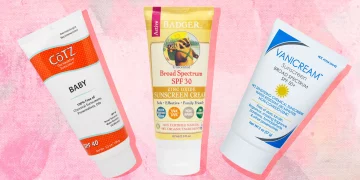
● Sun Protection
- UV damage compromises barrier function and accelerates aging.
- Daily SPF 30+ protects lipids and prevents inflammation.
● Avoid Over-Exfoliation
- Limit chemical or physical exfoliation to 1–2 times per week.
- Observe your skin’s tolerance and adjust accordingly.
● Balanced Diet and Hydration
- Omega-3 fatty acids (found in fish, chia seeds) support lipid synthesis.
- Antioxidant-rich foods reduce oxidative stress.
- Adequate water intake maintains hydration.
● Stress and Sleep Management
- Chronic stress impairs skin barrier repair and increases inflammation.
- Quality sleep boosts cellular repair processes.
● Environmental Protection
- Avoid prolonged exposure to extreme heat, cold, or wind.
- Use protective clothing or barrier creams when necessary.
5. How to Rebuild the Skin Barrier After Damage
Rebuilding a compromised barrier requires consistency and patience.
● Step 1: Simplify Your Routine
- Temporarily eliminate harsh actives: retinoids, exfoliants, or strong acids.
- Stick to gentle cleansers, moisturizers, and sunscreen.
● Step 2: Layer Hydrating and Repairing Products
- Apply hydrating serums first, then a ceramide-rich moisturizer.
- Seal with an occlusive layer (like petrolatum or squalane) for overnight repair.
● Step 3: Introduce Actives Gradually
- Once the barrier is restored, slowly reintroduce actives at low concentrations.
- Monitor skin response and avoid overloading multiple potent ingredients at once.
● Step 4: Maintain Protective Habits
- Sun protection, gentle cleansing, and proper moisturization are ongoing needs.
- Avoid switching products frequently, which can further stress the barrier.
6. The Role of Professional Guidance
Sometimes barrier damage requires expert intervention:
- Dermatologists can prescribe barrier-repairing formulations or treatments for severe conditions.
- Estheticians can guide gentle exfoliation and treatment schedules.
Early professional support ensures faster recovery and prevents chronic sensitivity.
Conclusion
The skin barrier is vital for maintaining healthy, resilient, and glowing skin. Recognizing signs of damage, choosing the right repair ingredients, and incorporating protective daily habits are essential to support its function. By understanding the barrier and prioritizing its care, you can prevent irritation, retain hydration, and enhance the skin’s natural defense mechanisms—ensuring that your skin remains healthy, strong, and radiant over time.