





















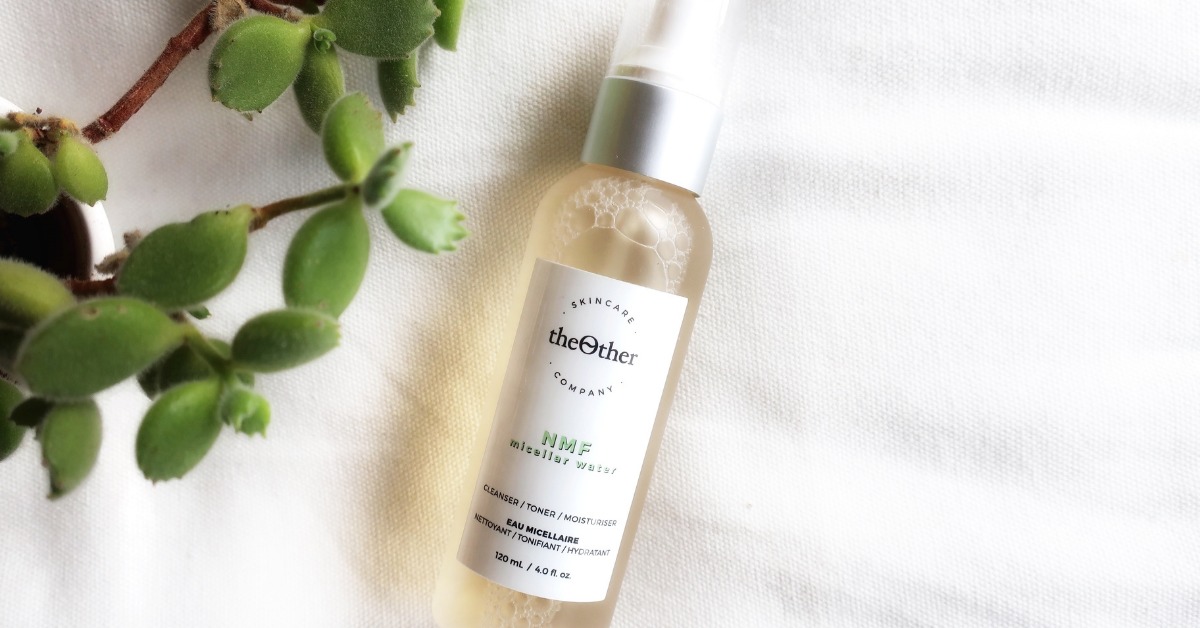
The sensory experience of a beautifully scented cream or a luxuriously perfumed serum can feel like an integral part of a skincare ritual. For decades, fragrance has been marketed as a hallmark of luxury and efficacy, convincing consumers that a product must smell “fresh,” “clinical,” or “botanical” to be effective. However, a growing body of dermatological research and a chorus of patient experiences are revealing a different, more troubling story. For a significant portion of the population—including those with sensitive skin, rosacea, eczema, and even those without a diagnosed condition—fragrance is not a harmless indulgence but a primary source of irritation, inflammation, and compromised skin health. Building a fragrance-free skincare routine is no longer a niche concern for the hyper-sensitive; it is a proactive, intelligent strategy for anyone seeking to build a resilient, calm, and healthy complexion. This guide will demystify why fragrance is so problematic, teach you how to identify it on labels, provide a blueprint for building an effective layered routine, and outline best practices for nurturing even the most reactive skin.
The Unseen Aggressor: Why Fragrance Is a Primary Skin Irritant
To understand why fragrance is problematic, we must first distinguish between its two main forms:
- “Fragrance (Parfum)”: This is a protected trade secret term that can represent a cocktail of dozens to hundreds of synthetic chemicals. Brands are not required to disclose these individual components, making it a “black box” in your ingredient list.
- Essential Oils: While derived from natural sources, essential oils are highly complex and potent chemical compounds. They are not inherently safer than synthetic fragrances and are among the most common causes of allergic contact dermatitis.
The irritation caused by these substances is not always immediate redness or stinging (acute irritation). More often, it is a slow, cumulative, and subclinical process.
- Triggering Inflammation: Fragrance molecules are recognized by the skin’s immune system as potential threats. This triggers the release of inflammatory cytokines, leading to a state of chronic, low-grade inflammation. This invisible inflammation can manifest as persistent redness, sensitivity, accelerated collagen breakdown (premature aging), and a weakened skin barrier.
- Disrupting the Skin Barrier: The skin’s stratum corneum is your first line of defense. Chronic exposure to irritants like fragrance can compromise the lipids that hold this barrier together. A disrupted barrier leads to increased Transepidermal Water Loss (TEWL), resulting in dryness, flakiness, and a heightened vulnerability to other environmental aggressors like pollution and allergens.
- Causing Allergic Contact Dermatitis: This is a true allergic reaction where the immune system develops a specific memory for a fragrance allergen. Once sensitized, even tiny amounts of that allergen can trigger a significant reaction—redness, swelling, itching, and blisters—that can take weeks to resolve. Crucially, you can become sensitized at any time, even after years of using a product without issue.
Becoming a Label Detective: Ingredients to Avoid
The first step in building a fragrance-free routine is learning to decipher ingredient lists. “Unscented” is not the same as “fragrance-free.”
- “Fragrance-Free”: Means the product contains no added fragrance or masking fragrances. This is the gold standard.
- “Unscented”: Often means the product has no discernible scent, but this is frequently achieved by adding masking fragrances to cover the natural smell of the raw ingredients. These masking agents are still “fragrance” and can be just as irritating.
The Red-Flag List:
- Fragrance / Parfum: The primary term to avoid.
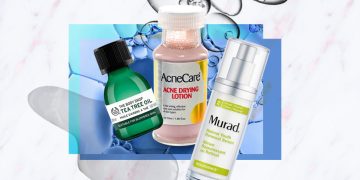
- Essential Oils: Lavender, Lemon, Bergamot, Ylang-Ylang, Peppermint, Tea Tree, and all citrus oils (orange, lemon, grapefruit) are particularly common and problematic.
- Botanical Extracts Used for Scent: Be wary of extracts like rose extract, jasmine extract, etc., unless the brand explicitly states they are fragrance-free. Often, these are included for their aromatic properties.
- Limonene, Linalool, Citronellol, Geraniol: These are specific fragrance chemicals that are common allergens. In the EU, they must be listed separately if present above a certain concentration. Avoiding products that list these is a good practice globally.

The Blueprint for a Calm Complexion: Product Layering Without Fragrance
A fragrance-free routine can be just as luxurious and effective as any other. The key is to focus on ingredients that support barrier function, provide hydration, and target specific concerns without triggering inflammation.
Step 1: Gentle Cleansing
- Goal: Remove impurities without stripping the skin.
- What to Look For: A milky, cream, or balm cleanser with a low pH.
- Key Fragrance-Free Ingredients: Ceramides, glycerin, squalane.
- What to Avoid: Foaming cleansers with heavy surfactants (SLS/SLES) combined with fragrance, which can be doubly drying and irritating.
Step 2: Hydrating and Balancing Toner/Essence
- Goal: Rehydrate the skin, balance pH, and prepare it for subsequent products.
- What to Look For: An alcohol-free, water-based formula.
- Key Fragrance-Free Ingredients: Hyaluronic Acid, Glycerin, Beta-Glucan, Centella Asiatica (madecassoside).
- What to Avoid: Toners with high concentrations of denatured alcohol or witch hazel, which are often fragranced.
Step 3: Targeted Treatment Serums
- Goal: Address specific concerns like hyperpigmentation, aging, or acne.
- What to Look For: Serums with a clear, focused ingredient list.
- Key Fragrance-Free Ingredients:
- For Sensitivity & Redness: Niacinamide, Centella Asiatica, Azelaic Acid.
- For Aging: Retinoids (start low), Peptides, Vitamin C (L-Ascorbic Acid or other stable derivatives like Tetrahexydecyl Ascorbate).
- For Hydration: Multiple forms of Hyaluronic Acid, Polyglutamic Acid.
- What to Avoid: Serums that combine multiple active ingredients with fragrance, as this increases the risk of irritation.
Step 4: Moisturizer: The Barrier Repair Seal
- Goal: Seal in hydration and reinforce the skin’s natural barrier.
- What to Look For: A formula that matches your skin type—gel-cream for oily, lotion for combination, rich cream for dry.
- Key Fragrance-Free Ingredients: Ceramides, Cholesterol, Fatty Acids (the “skin-identical” lipid trio), Shea Butter, Squalane, Niacinamide.
- What to Avoid: Heavy perfumed creams that use fragrance to mask the natural scent of nourishing butters and oils.
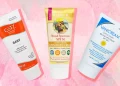
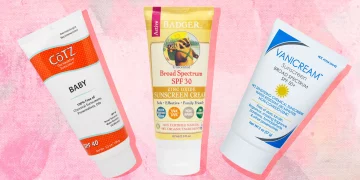
Step 5: Sunscreen: The Non-Negotiable Finale
- Goal: Protect against UV-induced damage and inflammation.
- What to Look For: Mineral (Zinc Oxide, Titanium Dioxide) or chemical sunscreens specifically marketed for sensitive skin.
- Key Fragrance-Free Ingredients: Zinc Oxide (also anti-inflammatory), Niacinamide.
- What to Avoid: Any sunscreen with “Fragrance (Parfum)” or essential oils, especially citrus oils, which can be phototoxic.
Best Practices for Sensitive Skin: A Protocol for Patience
Transitioning to a fragrance-free routine requires a methodical and patient approach.
- The Patch Test is Mandatory: Even with fragrance-free products, you can react to other ingredients. Before applying any new product to your face, apply a small amount to a discreet area (like the inner arm or behind the ear) for 3-5 consecutive days. Monitor for any signs of redness, itching, or swelling.
- The “One-In, One-Out” Rule: When rebuilding your routine, introduce only one new product at a time. Wait at least two weeks before introducing another. This makes it easy to identify the culprit if a reaction occurs.
- Simplify, Then Amplify: Start with a bare-bones routine: a gentle cleanser, a moisturizer, and a sunscreen. Once your skin has stabilized and calmed down (which can take 4-6 weeks), you can slowly begin to introduce one active serum at a time.
- Listen to Your Skin’s Feedback: Your skin is your best guide. If it feels tight, itchy, or looks red, scale back. Sometimes, “less is more” is the most powerful philosophy in skincare. A stressed skin barrier needs rest and repair, not a complex cocktail of actives.
Conclusion: The Path to a Resilient, Healthy Glow
Choosing fragrance-free skincare is an act of profound respect for your skin’s biology. It is a decision to prioritize long-term health and stability over short-term sensory pleasure. By eliminating this primary source of inflammation, you give your skin the peaceful environment it needs to fortify its barrier, regulate its immune responses, and function at its optimal capacity. The initial transition may require diligence and label-reading, but the reward is a complexion that is less reactive, more resilient, and fundamentally healthier. The true luxury in skincare is not a fleeting scent, but the confidence that comes from a calm, comfortable, and consistently vibrant complexion. It is the ultimate investment in your skin’s future.