


























Vitamin C is one of the most celebrated ingredients in skincare, revered for its brightening, antioxidant, and anti-aging benefits. Yet despite its popularity, there’s a lot of confusion surrounding its proper use. Questions about which form to choose, how to stabilize it, which ingredients to pair it with, and the optimal time of application are common. Misunderstandings can lead to reduced effectiveness, skin irritation, or even premature degradation of the product. This guide will separate fact from fiction, explaining the science of vitamin C, how to use it effectively, and how to maximize its benefits.
1. What Are the Different Types of Vitamin C in Skincare?
Vitamin C, also known as ascorbic acid, exists in multiple forms, each with unique stability, potency, and skin penetration properties. Understanding these variations is key to selecting the right product.
● L-Ascorbic Acid
- The purest and most potent form.
- Offers brightening, collagen-boosting, and antioxidant effects.
- Highly effective but unstable; can oxidize quickly when exposed to light, air, or heat.
- Best for those who tolerate strong active ingredients.
● Ascorbyl Palmitate
- Oil-soluble derivative of vitamin C.
- Gentler than L-ascorbic acid but less potent.
- Suitable for sensitive skin or layering under oils and moisturizers.
● Magnesium Ascorbyl Phosphate (MAP)
- Water-soluble, more stable than L-ascorbic acid.
- Provides brightening and antioxidant benefits.
- Often found in serums and creams with lower irritation risk.
● Sodium Ascorbyl Phosphate (SAP)
- Highly stable, water-soluble derivative.
- Effective for acne-prone and sensitive skin.
- Less potent than pure L-ascorbic acid but better tolerated.
● Tetrahexyldecyl Ascorbate
- Oil-soluble, penetrates deeper layers of the skin.
- Highly stable, suitable for combination with oils and creams.
- Offers anti-aging and collagen-stimulating effects.
Myth: “All vitamin C products are equally effective.”
Truth: The form, concentration, and formulation significantly affect potency and results.
2. How Do You Stabilize Vitamin C to Maintain Effectiveness?
Vitamin C is notoriously unstable. Exposure to air, light, and high temperatures can degrade it, reducing efficacy. Proper storage and formulation are crucial.
● Packaging Matters
- Dark or opaque bottles prevent light-induced oxidation.
- Airless pump bottles minimize air exposure.
- Avoid jars or clear bottles for L-ascorbic acid serums.
● Formulation Stabilizers
- Vitamin C is often combined with ferulic acid and vitamin E.
- This trio stabilizes the compound and enhances antioxidant activity.
- Ferulic acid also doubles protection against UV damage.
● pH Levels
- L-ascorbic acid requires a low pH (around 3.0) to penetrate effectively.
- Derivatives like MAP or SAP are stable at higher pH levels, making them less irritating.
● Storage Tips
- Keep products in a cool, dry place.
- Avoid leaving serums in direct sunlight or near heat sources.
- Check expiration dates; once oxidized, the product may turn yellow or brown.
Myth: “Vitamin C will last indefinitely in a serum bottle.”
Truth: Without proper stabilization, vitamin C degrades quickly, losing its benefits and potentially irritating skin.
3. How Should Vitamin C Be Paired With Other Skincare Ingredients?
Correct pairing can enhance results, while incompatible combinations may reduce effectiveness or increase irritation.
● Vitamin C + Vitamin E + Ferulic Acid
- Synergistic antioxidant effect.
- Provides greater UV protection and stability.
● Vitamin C + Hyaluronic Acid
- Hyaluronic acid hydrates the skin and enhances absorption.
- This combination brightens and plumps skin simultaneously.
● Vitamin C + Niacinamide
- Once thought incompatible due to pH differences.
- Recent research shows they can be used together without loss of efficacy, though layering separately may reduce irritation.
● Vitamin C + Retinol
- Both are potent actives; layering can cause irritation.
- Use vitamin C in the morning and retinol at night for best tolerance.
● Avoid Mixing With Certain Acids Initially
- Strong AHAs or BHAs can increase sensitivity when combined with high-concentration vitamin C.
- If layering, apply vitamin C first, let it absorb, then use mild acids.
Myth: “Vitamin C cannot be used with any other active ingredients.”
Truth: Proper combinations enhance efficacy; knowledge of pH and skin tolerance is key.
4. When Is the Best Time to Apply Vitamin C?
Application timing influences potency, stability, and protective benefits.
● Morning Application
- Ideal for antioxidant protection against environmental stressors like UV rays and pollution.
- Layer under sunscreen for enhanced photoprotection.
● Evening Application
- Provides collagen-boosting and reparative benefits overnight.
- Particularly beneficial if your skin is sensitive to morning application.
● Layering Order
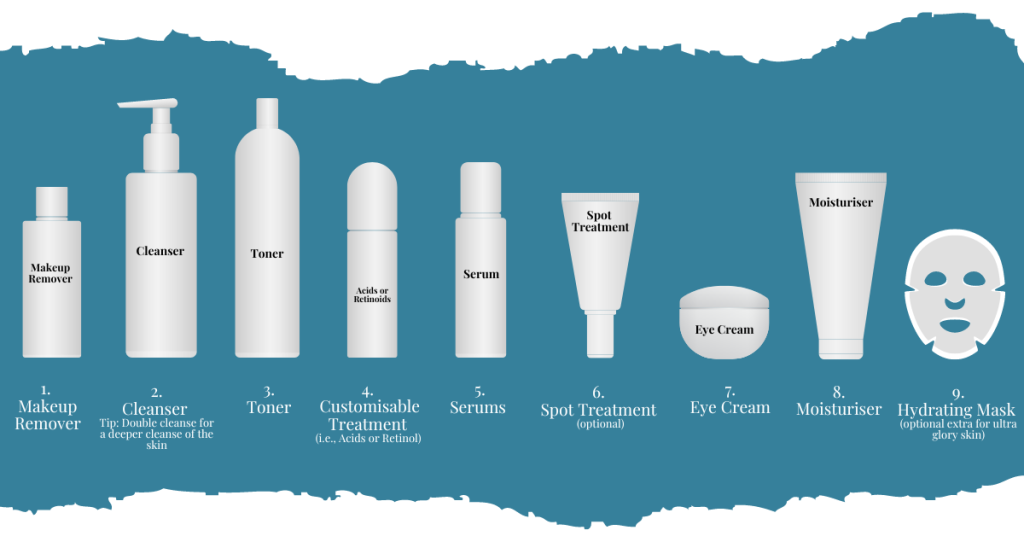
- Cleanser → Toner (if used) → Vitamin C → Moisturizer → Sunscreen (morning)
- Ensure vitamin C is fully absorbed before layering other products.
● Frequency
- Daily use is effective for brightening and anti-aging.
- Start slowly (every other day) if using high-concentration L-ascorbic acid to reduce irritation.
Myth: “Vitamin C should only be applied at night.”
Truth: While it can be used at night, morning application maximizes antioxidant protection against environmental damage.
5. Common Myths About Vitamin C Debunked
- Myth: “Higher concentration always equals better results.”
- Truth: Concentrations above 20% rarely increase efficacy and may increase irritation. 10–20% is generally sufficient.
- Myth: “Vitamin C is only for brightening.”
- Truth: It also stimulates collagen, reduces fine lines, protects against UV damage, and fights free radicals.
- Myth: “Vitamin C products last forever.”
- Truth: Without proper storage and formulation, vitamin C oxidizes quickly.
- Myth: “Vitamin C is harsh and unsuitable for sensitive skin.”
- Truth: Stable derivatives like MAP or SAP provide benefits with minimal irritation.
- Myth: “You cannot combine vitamin C with niacinamide.”
- Truth: Scientific studies show they can coexist, though careful layering is recommended.
6. Tips for Maximizing Vitamin C Benefits
- Choose a form that suits your skin type and tolerance.
- Store in a cool, dark place and check for oxidation.
- Apply in the morning with sunscreen for optimal protection.
- Pair with supportive ingredients like vitamin E, ferulic acid, or hyaluronic acid.
- Start with lower concentrations if new to avoid sensitivity.
With careful selection, proper application, and understanding of stabilization, vitamin C can be a powerhouse ingredient for bright, youthful, and resilient skin.