





















For those with oily skin, the daily battle against shine can feel like a relentless, unwinnable war. The common response is to declare all-out assault on oil: stripping the skin with harsh cleansers, avoiding moisturizer at all costs, and piling on layers of mattifying powder. Yet, this aggressive approach often backfires spectacularly, leaving you with even oilier skin, enlarged pores, and a compromised barrier by midday. The secret to managing oily skin isn’t to wage war against it, but to understand and strategically balance it. Oily skin is a sign of active sebaceous glands, which, when respected, can be a source of natural luminosity and delayed aging. The goal is not to eradicate oil, but to manage its production, keep pores clear, and achieve a natural, matte finish that lasts. This comprehensive guide will dismantle the myths and provide a science-backed routine, focusing on the best cleansers, the critical role of lightweight hydration, ingenious mattifying techniques, and sunscreen options that won’t clog pores, empowering you to achieve a shine-free complexion from morning to night.
The Double Cleansing Doctrine: Starting with a Deep, Yet Balanced, Clean
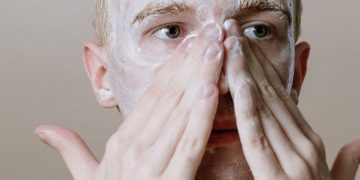
The foundation of controlling oil is a perfectly clean canvas, free of the sebum, impurities, and sunscreen that can clog pores and lead to excess shine. For oily skin, this means adopting the double cleansing method.
- First Cleanse: The Oil-Based Dissolver: It may seem counterintuitive, but using an oil-based cleanser or balm is the most effective way to break down oil-based debris like sebum, sunscreen, and excess makeup. The chemistry is simple: like dissolves like. A lightweight cleansing oil emulsifies upon contact with water, rinsing away completely without leaving a greasy residue. This first step ensures that all surface-level oil is thoroughly dissolved, preventing it from mixing with water to form a stubborn film.
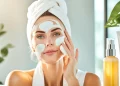
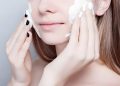
- Second Cleanse: The Water-Based Purifier: The second cleanse addresses water-based impurities like sweat and dirt. The ideal formula for oily skin is a gentle, low-pH foaming cleanser or a gel cleanser. Look for key ingredients like:
- Salicylic Acid (BHA): A beta-hydroxy acid that is oil-soluble, allowing it to penetrate deep into pores to exfoliate and dissolve the mix of sebum and dead skin cells that lead to clogged pores and blackheads.
- Niacinamide: A form of Vitamin B3 that is a powerhouse for oily skin. It helps regulate sebum production, minimizes the appearance of pores, and strengthens the skin barrier.
- What to Avoid: Harsh sulfate-based cleansers (SLS/SLES). These strip the skin so aggressively that they signal the sebaceous glands to produce even more oil to compensate for the loss, creating a vicious cycle of overproduction.
The Hydration Paradox: Why Moisturizing is Non-Negotiable
This is the most critical mindset shift for oily skin. When you strip your skin of oil and fail to replenish moisture, you damage your skin barrier. A compromised barrier loses water rapidly (Transepidermal Water Loss), and in a desperate attempt to protect itself, your skin goes into overdrive, pumping out even more oil. Hydration is the key to calming this panic response.
- Choosing a Lightweight Hydrator: The goal is to provide water-based hydration without heavy, pore-closing oils.
- Formulas: Opt for gel-creams, oil-free lotions, or gel-based serums.
- Key Ingredients:
- Hyaluronic Acid: A humectant that can hold up to 1000 times its weight in water, providing intense hydration without weight.
- Niacinamide: Reiterating its importance, it should be a star in both your cleanser and moisturizer.
- Zinc PCA: A mineral known for its oil-regulating and anti-inflammatory properties.
- What to Avoid: Thick, occlusive creams laden with heavy butters and oils like coconut oil or mineral oil, which can sit on the skin and clog pores.
Mattifying Techniques: Strategic Product Layering for All-Day Control
Beyond your core products, strategic techniques can dramatically extend the life of your matte finish.
- The Pre-Makeup Primer: A mattifying primer is your secret weapon. These primers typically contain oil-absorbing powders like silica or dimethicone, which creates a smooth, velvety canvas that fills in pores and fine lines. This barrier prevents your foundation from mixing with your skin’s natural oils, which is what causes makeup to “slide off” throughout the day.
- The Blotting Paper Lifesaver: Instead of piling on more powder, which can lead to a cakey, textured appearance, use blotting papers throughout the day. Gently press the paper onto shiny areas (T-zone, chin) to absorb excess oil without disturbing your makeup or stripping your skin. This is a targeted, gentle solution for midday shine.
- The Powder-First “Baking” Alternative: For extreme, long-lasting oil control, try a modified “buffing” technique. After primer and before foundation, take a small amount of translucent powder on a fluffy brush and gently buff it only into your oiliest areas (typically the T-zone). Then, apply your liquid foundation over the top. This technique, known as “powder sandwiching,” creates a powerful oil-absorbing barrier that locks your foundation in place.
Sunscreen Options: The Final, Non-Negotiable Seal
Skipping sunscreen for fear of greasiness is the worst mistake for oily skin. UV exposure can thicken the skin and enlarge pores, worsening oiliness over time. The right sunscreen is everything.
- Mineral (Physical) Sunscreens: These contain Zinc Oxide and/or Titanium Dioxide. They sit on top of the skin, reflecting UV rays. They are often less irritating and naturally mattifying. Many modern mineral sunscreens are formulated with a velvety, blurring finish that controls shine beautifully.
- Oil-Free Chemical Sunscreens: Modern chemical sunscreens have come a long way. Look for formulas explicitly labeled “oil-free,” “non-comedogenic,” and with a “matte finish.” Many are now lightweight fluids or gels that absorb quickly without a white cast or greasy residue. Ingredients like niacinamide are often added to these formulas for added oil control.
- Powder and Stick Sunscreens for Reapplication: These are game-changers for oily skin. A translucent powder sunscreen with SPF or a mattifying sunscreen stick can be used throughout the day to touch up both your sun protection and your matte finish without adding a layer of liquid or cream.
The Sample AM/PM Routine for Oily Skin:
AM Routine:
- Cleanse: Gentle foaming or gel cleanser with Niacinamide or Salicylic Acid.
- Treat (Optional): A Niacinamide serum to further regulate oil.
- Moisturize: Lightweight oil-free gel-cream moisturizer.
- Protect: Oil-free, matte-finish sunscreen (Mineral or Chemical).
PM Routine:
- First Cleanse: Lightweight cleansing oil or balm.
- Second Cleanse: Same as AM cleanser.
- Treat (2-3 times a week): A BHA (Salicylic Acid) toner or serum to exfoliate pores.
- Moisturize: Same lightweight moisturizer as AM.
Conclusion: From Slick to Sophisticated
Managing oily skin is a journey of balance, not brute force. By adopting a gentle yet effective cleansing ritual, embracing the essential role of lightweight hydration, and deploying strategic mattifying techniques, you can finally break the cycle of overproduction and shine. Your skin’s natural oil is an asset—a built-in moisturizer that can keep you looking youthful. The goal is not to eliminate it, but to guide it, working with your skin’s biology to achieve a calm, clear, and beautifully matte complexion that possesses a natural, healthy radiance rather than an oily gleam. With this intelligent, consistent routine, you can reclaim control and step out with confidence, knowing your skin will stay fresh and shine-free from dawn until dusk.