




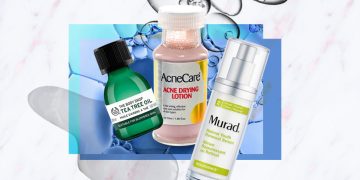

























The concept of pH in skincare is often overlooked, yet it plays a crucial role in maintaining healthy, balanced, and resilient skin. From cleansing to exfoliation and treatment products, the pH of each formulation can influence barrier integrity, product effectiveness, and even irritation risk. Understanding how pH works, identifying optimal ranges, and learning how to layer acidic products safely are essential for anyone looking to optimize their skincare routine. This guide will break down the science, practical applications, and common mistakes to avoid.
1. What Is pH and Why Is It Important for Skin?
pH measures how acidic or alkaline a substance is on a scale from 0 to 14:
- 7 is neutral.
- Below 7 is acidic.
- Above 7 is alkaline.
The skin naturally has a slightly acidic pH, typically around 4.7 to 5.75, which forms the acid mantle. This protective layer helps:
- Maintain barrier function: Protects against water loss and environmental aggressors.
- Support microbiome balance: Prevents overgrowth of harmful bacteria and fungi.
- Enhance enzymatic activity: Proper pH supports natural skin processes like exfoliation and lipid production.
Disruption of pH can lead to dryness, sensitivity, breakouts, and premature aging.
2. What Is the Optimal pH for Skincare Products?
Different product types require different pH levels to work effectively and safely:
● Cleansers
- Optimal pH: 4.5–6
- Mild, slightly acidic cleansers preserve the acid mantle.
- Highly alkaline cleansers (pH > 8) can strip lipids and weaken the barrier.
● Moisturizers
- Optimal pH: 4.5–6.5
- Matching moisturizer pH to skin helps maintain barrier integrity.
● Acids (AHAs, BHAs)
- Optimal pH:
- Glycolic acid: 3–4
- Lactic acid: 3–4
- Salicylic acid: 3–4
- Low pH enhances penetration and exfoliation effectiveness.
● Retinoids
- Optimal pH: slightly acidic to neutral
- pH affects stability and absorption; pairing with overly alkaline products can reduce efficacy.
● Serums and Actives
- Vitamin C (L-ascorbic acid): pH 2.5–3.5 for maximum absorption.
- Other derivatives (MAP, SAP): pH 6–7, gentler and more stable.

3. How Do High vs. Low pH Products Affect Your Skin?
● High pH Products (Alkaline)
- pH > 7, such as some soaps or harsh cleansers.
- Can disrupt acid mantle, leading to:
- Dryness and flaking
- Sensitivity and irritation
- Acne or increased bacterial growth
● Low pH Products (Acidic)
- pH < 5, often found in exfoliating acids or vitamin C serums.
- Advantages:
- Enhances penetration of active ingredients
- Promotes mild exfoliation and cell turnover
- Supports microbiome and skin hydration
- Potential risks:
- Overuse can cause stinging, redness, or barrier damage if layered improperly.
4. How Should You Layer Acidic Skincare Products?
Layering acids and low pH products requires caution to maximize benefits while minimizing irritation.
● General Layering Rules
- Thin to thick consistency: Apply water-based serums first, then creams or oils.
- Acid separation: Avoid using multiple strong acids simultaneously (e.g., glycolic + salicylic + retinol) unless gradually introduced.
- Wait time: Allow 10–20 minutes between products if using strong actives, ensuring the skin returns to its normal pH.
● Pairing Acids with Other Actives
- Vitamin C (ascorbic acid) works best at low pH; avoid layering with high pH products.
- Niacinamide can be used with acids if introduced gradually, though some prefer separating by morning and evening.
- Retinoids + acids: stagger applications (morning vs night) to prevent irritation.
5. Common Mistakes That Affect pH Balance
● Using Harsh Soaps
- Strongly alkaline soaps can strip natural oils and disturb the acid mantle.
- Choose gentle, pH-balanced cleansers instead.
● Over-Exfoliating
- Excessive use of AHAs/BHAs lowers skin pH too much, causing sensitivity and microtears.
● Ignoring Product Compatibility
- Combining low pH and high pH products in a single routine can neutralize benefits or irritate skin.
● Skipping Moisturizer
- Failing to replenish lipids after low pH treatment can compromise barrier recovery.
● Not Considering Water pH
- Hard or alkaline tap water can affect skin’s pH; rinsing with slightly acidic toner can help restore balance.
6. Tips for Maintaining Healthy Skin pH
- Choose pH-balanced cleansers and moisturizers.
- Introduce acidic actives gradually.
- Layer products from lowest to highest pH for maximum absorption.
- Avoid overuse of multiple strong acids simultaneously.
- Rinse off high-pH impurities with water, then restore pH with toner or serum.
- Patch test new acidic or alkaline products.
Maintaining pH balance ensures that your skin’s barrier stays strong, your active ingredients perform optimally, and sensitivity is minimized.
7. Conclusion
pH is a fundamental yet often overlooked aspect of skincare. Understanding optimal pH ranges for different products, the effects of high vs low pH, safe acid layering, and common mistakes allows you to create an effective and safe skincare routine. By respecting the skin’s natural acidity, you can enhance barrier function, boost active ingredient efficacy, and maintain healthy, radiant skin. Skincare is not just about products; it’s about understanding how your skin interacts with them at the chemical level.