















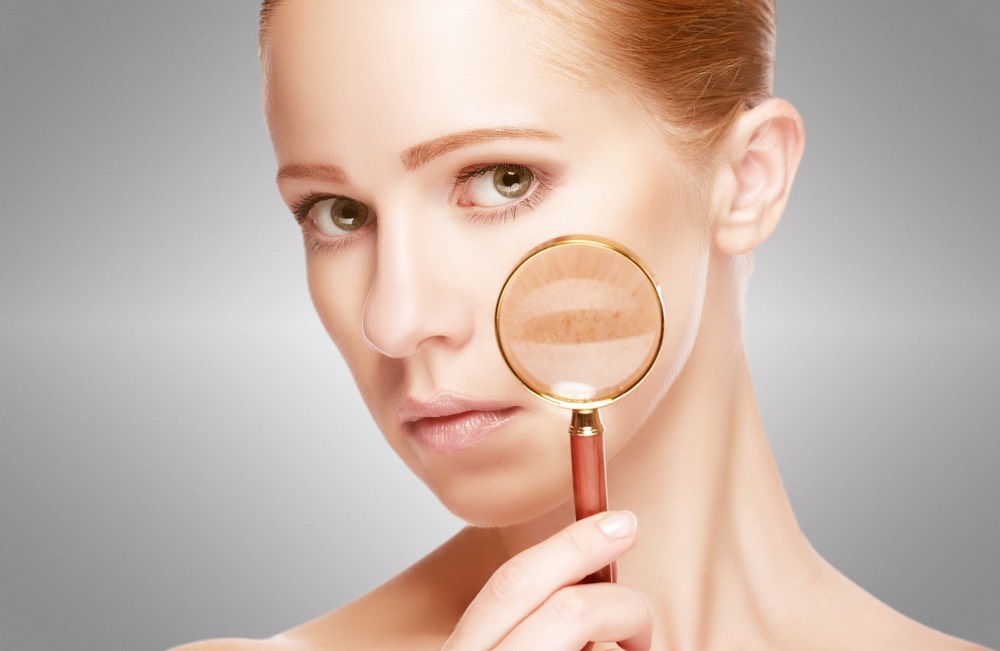
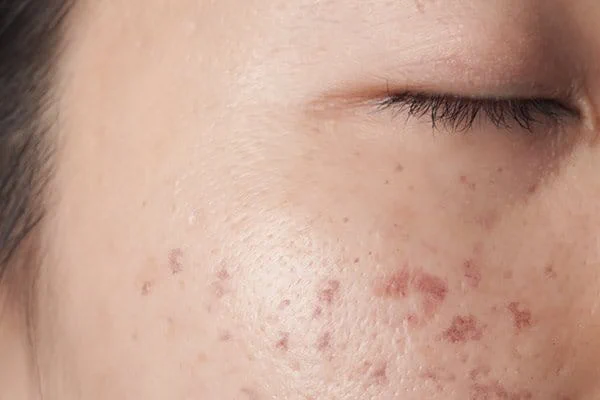
Post-inflammatory hyperpigmentation (PIH) is a common skin concern that affects people of all ages and skin types. Unlike scars, PIH does not involve structural damage to the skin but manifests as dark spots or discoloration following inflammation or injury. It can result from acne, eczema, burns, insect bites, or even cosmetic procedures. Understanding the difference between PIH and scars, knowing which active ingredients are most effective, understanding realistic treatment timelines, and practicing prevention strategies are all essential for managing this condition effectively.
1. What Is the Difference Between Post-Inflammatory Hyperpigmentation and Scars?
PIH and scars are often confused, but they represent different skin responses to injury.
● Post-Inflammatory Hyperpigmentation
- Definition: Darkened patches of skin caused by excess melanin production after inflammation.
- Appearance: Flat, smooth, and slightly darker than surrounding skin.
- Cause: Triggered by inflammatory processes such as acne, eczema, or minor trauma.
- Healing: Does not damage the skin’s structure; spots fade over time, usually months to a year, with treatment.
● Scars
- Definition: Physical changes in skin structure due to injury to the dermis.
- Appearance: Can be raised (hypertrophic), depressed (atrophic), or fibrous.
- Cause: Trauma, surgery, or severe acne that damages deeper layers of skin.
- Healing: Often permanent or long-lasting; may require more invasive treatments like laser therapy, microneedling, or fillers.
Key Difference: PIH affects pigmentation only, while scars involve structural changes in the skin.
2. Which Active Ingredients Are Most Effective for Treating PIH?
Several topical ingredients have proven efficacy in reducing post-inflammatory hyperpigmentation.
● Hydroquinone
- A gold-standard depigmenting agent.
- Inhibits tyrosinase, the enzyme responsible for melanin production.
- Usually applied in concentrations of 2–4%.
- Often used short-term under dermatologist supervision to prevent irritation or ochronosis.
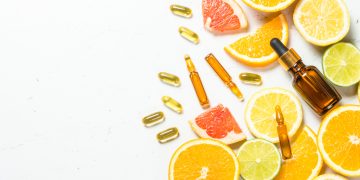
● Vitamin C (L-Ascorbic Acid)
- Brightens the skin and reduces oxidative stress.
- Inhibits melanin formation and promotes even skin tone.
- Can be combined with ferulic acid or vitamin E for enhanced stability and efficacy.
● Niacinamide
- Reduces melanin transfer to skin cells.
- Anti-inflammatory, making it ideal for acne-prone skin with PIH.
- Suitable for daily use and sensitive skin.
● Retinoids (Tretinoin, Retinol)
- Promote cellular turnover, speeding up fading of hyperpigmented spots.
- Helps prevent future PIH by reducing follicular blockage and inflammation.
- Can be combined with hydroquinone or other brightening agents for synergistic effects.
● Alpha Hydroxy Acids (AHAs) & Beta Hydroxy Acids (BHAs)
- AHAs (glycolic, lactic acid): Gently exfoliate surface layers, encouraging even skin tone.
- BHAs (salicylic acid): Penetrate pores, reduce inflammation, and prevent new acne lesions.
● Azelaic Acid
- Antibacterial and anti-inflammatory properties.
- Effective at fading PIH, especially in darker skin tones.
● Kojic Acid & Arbutin
- Natural brightening agents that inhibit tyrosinase.
- Often combined with other actives for a gradual lightening effect.
3. What Is the Typical Treatment Timeline for PIH?
Treating PIH requires patience; results are gradual and depend on skin type, severity, and consistency of care.
● Initial Phase (Weeks 0–4)
- Start with gentle brightening agents like niacinamide or azelaic acid.
- Focus on skin barrier repair and sun protection.
● Intermediate Phase (Weeks 4–12)
- Introduce stronger actives such as hydroquinone, vitamin C, or retinoids.
- Consistency is critical; apply treatments as directed, usually once or twice daily.
- Monitor for irritation; adjust concentrations if needed.
● Advanced Phase (3–6 Months)
- Hyperpigmentation may begin to noticeably fade.
- Continue sun protection to prevent relapse.
- Professional treatments like chemical peels or laser therapy can accelerate results if spots persist.
● Maintenance Phase
- Once spots have faded, continue a mild brightening regimen and sun protection to prevent recurrence.
- Avoid aggressive treatments that may damage the skin barrier, triggering new PIH.
Note: Darker skin tones may take longer to see results, but consistent care typically leads to gradual improvement.
4. How Can You Prevent Post-Inflammatory Hyperpigmentation?
Prevention is just as important as treatment. By reducing triggers and protecting the skin, you can minimize the risk of developing PIH.
● Sun Protection
- UV exposure worsens hyperpigmentation by stimulating melanin production.
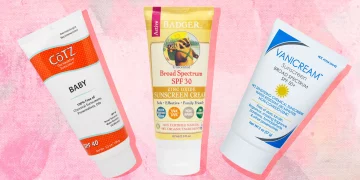
- Use broad-spectrum SPF 30+ daily, even on cloudy days.
- Reapply every 2 hours if outdoors.
● Gentle Skincare Practices
- Avoid harsh scrubs, aggressive exfoliation, or picking at acne lesions.
- Use non-comedogenic, soothing products to reduce inflammation.
● Early Acne Management
- Treat inflammatory acne promptly to minimize post-inflammatory pigmentation.
- Incorporate anti-inflammatory ingredients like niacinamide or azelaic acid early in routines.
● Layer Products Wisely
- Avoid layering multiple irritating actives simultaneously.
- Introduce potent brightening or exfoliating ingredients gradually to reduce risk of irritation-induced PIH.
● Professional Guidance
- Seek dermatologist advice for persistent or severe PIH.
- Procedures like chemical peels, laser therapy, or microneedling can speed results safely.
5. Practical Skincare Routine for PIH
Morning:
- Gentle cleanser
- Vitamin C or niacinamide serum
- Moisturizer with barrier-supporting ingredients (ceramides, fatty acids)
- Broad-spectrum SPF 30+
Evening:
- Gentle cleanser
- Targeted treatment: retinoid or hydroquinone (as directed)
- Moisturizer for barrier repair
- Optional: mild exfoliant 1–2 times per week (AHA or BHA)
Consistency, sun protection, and patience are key to fading post-inflammatory hyperpigmentation.
6. Conclusion
Post-inflammatory hyperpigmentation is a reversible condition that requires a strategic combination of treatment, prevention, and patience. Distinguishing PIH from scars, selecting appropriate active ingredients, understanding the realistic timeline for results, and prioritizing prevention can help you achieve even, radiant skin. With a consistent, thoughtful approach and proper sun protection, most cases of PIH can significantly improve over time, restoring confidence and skin health.