

























As the seasons shift, millions of people brace for the familiar onslaught of sneezing, itchy eyes, and nasal congestion. Yet, while we readily attribute these symptoms to hay fever, we often overlook the profound impact seasonal allergies can have on our body’s largest organ: our skin. The same pollen, mold spores, and dust mites that trigger an immune response in your respiratory system can launch a parallel attack on your complexion, leading to a cascade of frustrating and often misdiagnosed skin issues. What you might dismiss as a sudden bout of “sensitive skin” or a reaction to a new product could very well be your skin crying out against the environmental assault of allergy season. This guide will decode the connection between airborne allergens and your skin’s health, exploring the science behind the redness and irritation, outlining crucial product swaps to calm the storm, identifying powerful anti-inflammatory ingredients, and providing lifestyle tips to create a sanctuary for your skin amidst a world of triggers.
The Itchy, Red, and Inflamed Connection: How Allergies Manifest on Skin
When an allergen like pollen lands on your skin, it’s not just sitting there innocently. For those with sensitized immune systems, it’s seen as a threat. This triggers a complex inflammatory response orchestrated by mast cells, which are key players in the immune system located in the skin.
- The Histamine Cascade: Upon detecting an allergen, mast cells release a flood of inflammatory mediators, most notably histamine. Histamine’s job is to help your body expel the invader, but its effects on the skin are intensely uncomfortable:
- Dilation of Blood Vessels: This causes redness, flushing, and warmth.
- Increased Permeability: Fluid leaks from the capillaries into the surrounding tissue, leading to swelling (edema) and puffiness, especially under the eyes, creating the classic “allergic shiners.”
- Stimulation of Nerve Endings: This results in relentless itching, tingling, and a crawling sensation.
- Compromised Skin Barrier: This inflammatory state is incredibly damaging to the skin’s delicate barrier function. A healthy barrier is like a well-built brick wall, but the inflammation from an allergic response weakens the “mortar.” This leads to:
- Transepidermal Water Loss (TEWL): The skin becomes unable to hold onto moisture, leading to dryness, flakiness, and a tight, uncomfortable feeling.
- Hyper-Reactivity: A weakened barrier is a vulnerable one. It becomes more susceptible to irritation from products, hard water, and even friction that it would normally tolerate, a condition known as status cosmeticus.
- Exacerbation of Existing Conditions: If you already have a skin condition like rosacea, eczema, or acne, seasonal allergies can act as a powerful flare-up trigger. The systemic inflammation can worsen redness in rosacea, ignite the itch-scratch cycle in eczema, and increase overall background inflammation that fuels acne.
The Seasonal Shift: Essential Product Swaps to Soothe, Not Stimulate
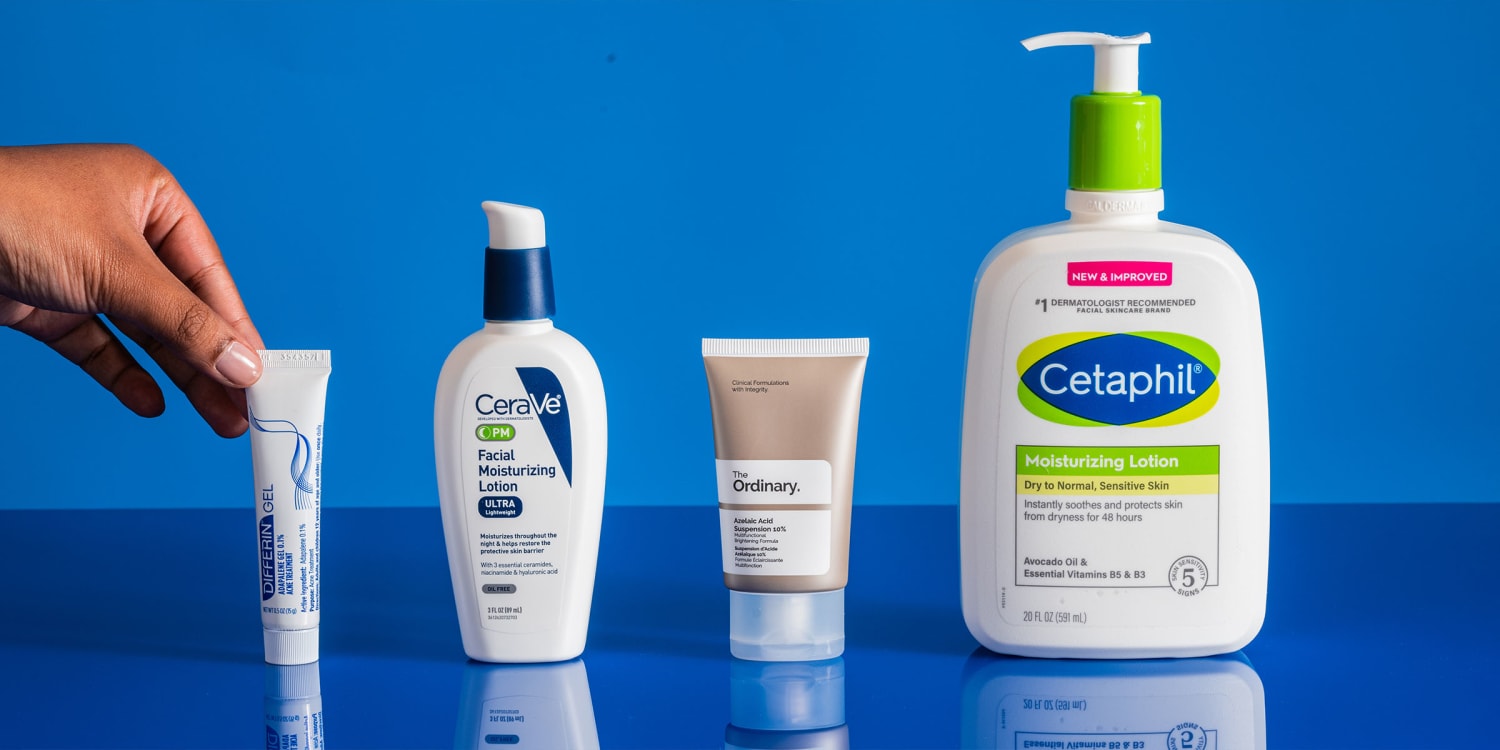
Your standard skincare routine might be too aggressive for skin that’s under allergic attack. During peak allergy season, it’s time to adopt a “less is more” philosophy and swap out potential irritants for calming, reparative alternatives.
- SWAP: Harsh Foaming Cleasers for Milky or Cream Cleansers
- Out: Sulfate-based cleansers that strip the skin.
- In: Non-foaming, lipid-rich cream cleansers that remove impurities without compromising the barrier. Look for formulas with ceramides or oat kernel extract.
- SWAP: Potent Exfoliants for Gentle Enzymes or PHAs
- Out: High-percentage AHAs (like glycolic acid) and physical scrubs.
- In: Gentle enzyme exfoliants (like papain) or Polyhydroxy Acids (PHAs), which provide surface exfoliation without penetrating deeply and causing irritation. Limit exfoliation to once a week.
- SWAP: Complex Serums for Single-Ingredient Focus
- Out: Serums with 10+ active ingredients, particularly mixed acids and high-potency retinols.
- In: A dedicated, gentle Niacinamide serum or a pure Hyaluronic Acid serum. Simplify your routine to reduce the number of potential irritants.
- SWAP: Fragranced Products for Fragrance-Free Formulations
- Out: Any product containing “Fragrance/Parfum” or high concentrations of essential oils.
- In: Hypoallergenic, fragrance-free products. This is the most critical swap, as fragrance is a well-documented allergen and irritant that will only add fuel to the fire.
The Anti-Inflammatory Arsenal: Key Ingredients to Calm Allergic Skin
When your skin is in an allergic state, your product choices should be actively therapeutic. Seek out these proven anti-inflammatory and barrier-supporting ingredients.
- Centella Asiatica (Cica or Tiger Grass): This is arguably the superstar for allergic skin. Its active compounds, including madecassoside and asiaticoside, have remarkable wound-healing and anti-inflammatory properties, directly calming redness and strengthening the skin’s barrier.
- Niacinamide (Vitamin B3): A multi-tasking hero, niacinamide helps improve barrier function, reduce transepidermal water loss, and, most importantly, has been shown to inhibit the release of histamine from mast cells, directly addressing the root cause of allergic symptoms.
- Ceramides: These are the essential lipids that make up nearly 50% of your skin’s barrier. Using a moisturizer rich in ceramides is like providing the raw materials to repair a damaged wall, helping to restore its integrity and resilience against allergens.
- Oat (Avena Sativa) Kernel Extract: A time-tested soothing agent, oat contains compounds called avenanthramides that have powerful anti-itch and anti-inflammatory properties, providing immediate relief from the maddening itch caused by histamine.
- Zinc Oxide: While known as a physical sunscreen ingredient, zinc oxide is also a gentle anti-inflammatory. Using a zinc-based sunscreen or even a calming cream with zinc can help soothe irritated, red skin.
Lifestyle and Environmental Tips: Building a First Line of Defense
Skincare can only do so much if you’re constantly bombarding your skin with allergens. A proactive environmental strategy is essential.
- Create an Allergen-Free Bedroom Sanctuary:
- Shower at Night: This is non-negotiable. Washing your body and hair before bed removes the layer of pollen that has accumulated throughout the day, preventing you from rubbing it into your pillowcase for hours.
- Change Pillowcases Frequently: Aim for every 2-3 days during peak season.
- Keep Windows Closed: Use air conditioning instead, and ensure the filters are clean or use a HEPA filter attachment.
- Protect Your Skin Barrier Outdoors:
- Use a Barrier Cream: Before going outside, apply your moisturizer. A well-hydrated and intact barrier is more resistant to allergen penetration.
- Wear a Physical Barrier: Hats and sunglasses can help keep pollen from settling on your hairline, forehead, and the delicate skin around your eyes.
- Manage Internal Inflammation:
- Diet: Consider incorporating natural antihistamines and anti-inflammatories into your diet, such as quercetin (found in apples, onions, and capers), omega-3 fatty acids (found in fatty fish and walnuts), and vitamin C.
- Hydration: Drink plenty of water to support overall skin health and the body’s natural detoxification processes.
- Be Smart About Laundry: Avoid hanging laundry outside to dry, as it will become coated in pollen. Use a dryer instead.
Conclusion: From Reactive to Resilient
Understanding that your skin’s sudden sensitivity, redness, and itchiness may be a symptom of seasonal allergies is the first step toward reclaiming control. By moving away from a reactive approach and adopting a proactive, protective strategy, you can break the cycle of inflammation. This involves treating your skin with the utmost gentleness during allergy season, swapping out complex products for simple, reparative formulas rich in anti-inflammatory ingredients, and making smart lifestyle changes to minimize your exposure. Your skin is not betraying you; it is communicating the stress of an environmental assault. By listening to its cues and responding with knowledge and care, you can build a resilient complexion that remains calm, comfortable, and clear, no matter what is in bloom.