


















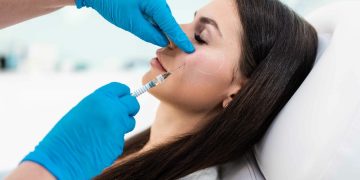
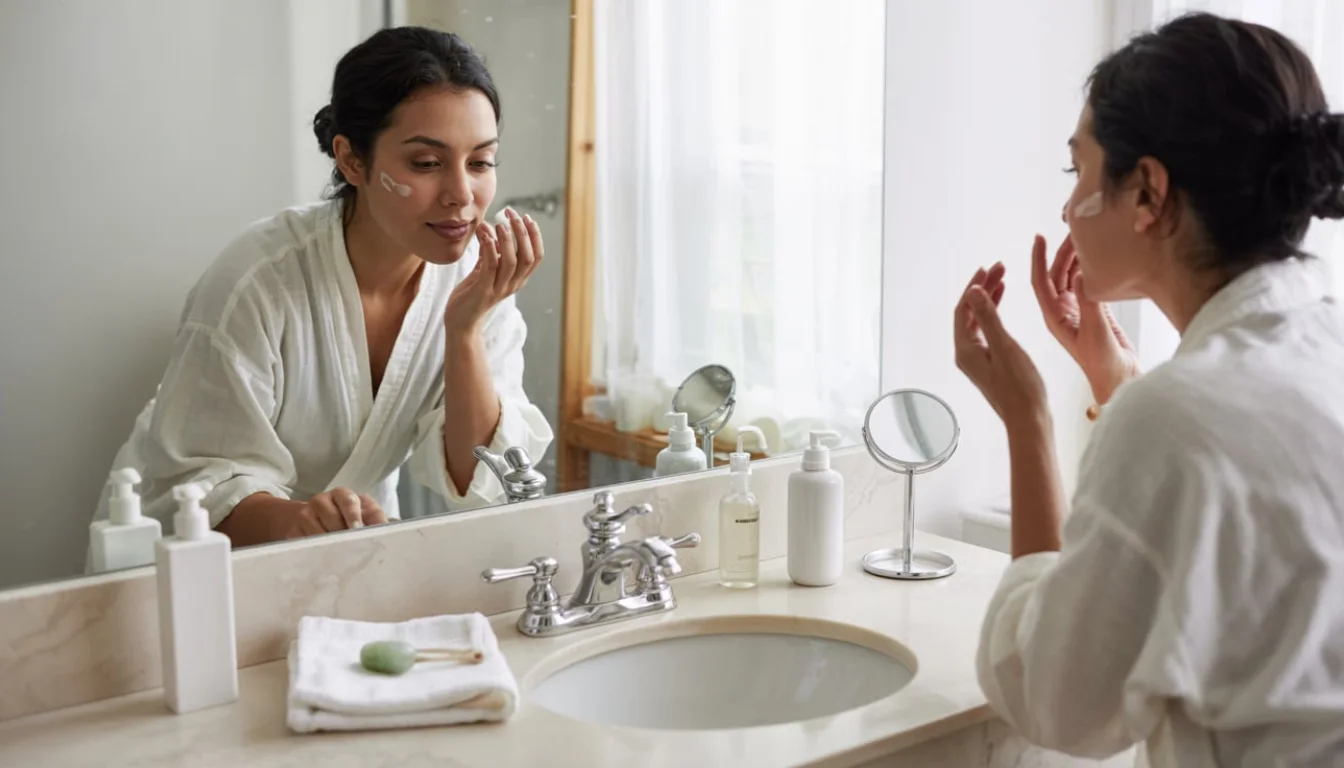
Cryotherapy facial treatments have become a popular trend in modern aesthetics, promising refreshed, tightened, and youthful-looking skin. By using extremely cold temperatures, these treatments stimulate cellular processes that can enhance skin health and appearance. Understanding the science behind cryotherapy, how it affects collagen, the benefits for different skin types, the procedural steps, potential side effects, and maintenance schedule is key to deciding if this treatment fits your skincare goals.
1. How Does Cryotherapy Affect Collagen and Skin Structure?
Cryotherapy facial treatments expose the skin to controlled sub-zero temperatures, usually between -120°C to -160°C, for a short duration. The extreme cold triggers several physiological responses:
● Collagen Stimulation
- Exposure to cold causes mild, controlled stress in skin cells.
- This stress triggers fibroblasts to produce new collagen and elastin fibers, which improve skin firmness, elasticity, and texture.
- Increased collagen helps reduce fine lines and wrinkles over time.
● Enhanced Blood Flow
- Cryotherapy induces vasoconstriction followed by vasodilation once the treatment ends.
- This surge in blood flow delivers oxygen and nutrients to the skin, enhancing cellular repair and rejuvenation.
● Anti-Inflammatory Effect
- Cold temperatures reduce inflammation, redness, and puffiness.
- Helpful for individuals with sensitive or reactive skin types.
● Boosted Cellular Metabolism
- Cellular turnover is stimulated, promoting the removal of damaged cells and encouraging a more radiant complexion.
2. What Are the Benefits of Cryotherapy for Different Skin Types?
Cryotherapy facial treatments can benefit a wide range of skin types, but results and recommendations may vary.
● Normal to Combination Skin
- Improves overall skin tone and texture.
- Promotes a healthy, refreshed glow.
● Dry or Dehydrated Skin
- Increases circulation, indirectly supporting hydration.
- Helps improve skin plumpness and reduces the appearance of fine lines.
● Oily or Acne-Prone Skin
- Anti-inflammatory effects can calm active breakouts.
- Reduces excess sebum production and minimizes pore appearance.
● Sensitive Skin
- Soothes redness and irritation, but should be approached with caution.
- Low-temperature exposure is brief, reducing the risk of over-stimulation.
● Aging Skin
- Stimulates collagen and elastin production to improve firmness.
- Reduces fine lines, wrinkles, and sagging with repeated treatments.
3. What Happens During a Cryotherapy Facial Procedure?
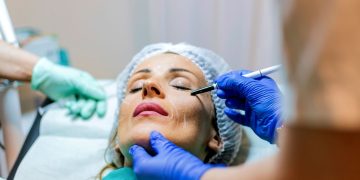
A typical cryotherapy facial is quick, non-invasive, and can be performed in professional aesthetic clinics.
Step 1: Skin Preparation
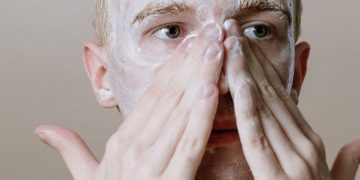
- Cleanse the face to remove makeup, oils, and impurities.
- Some practitioners may apply a protective serum or barrier cream.
Step 2: Cryotherapy Application
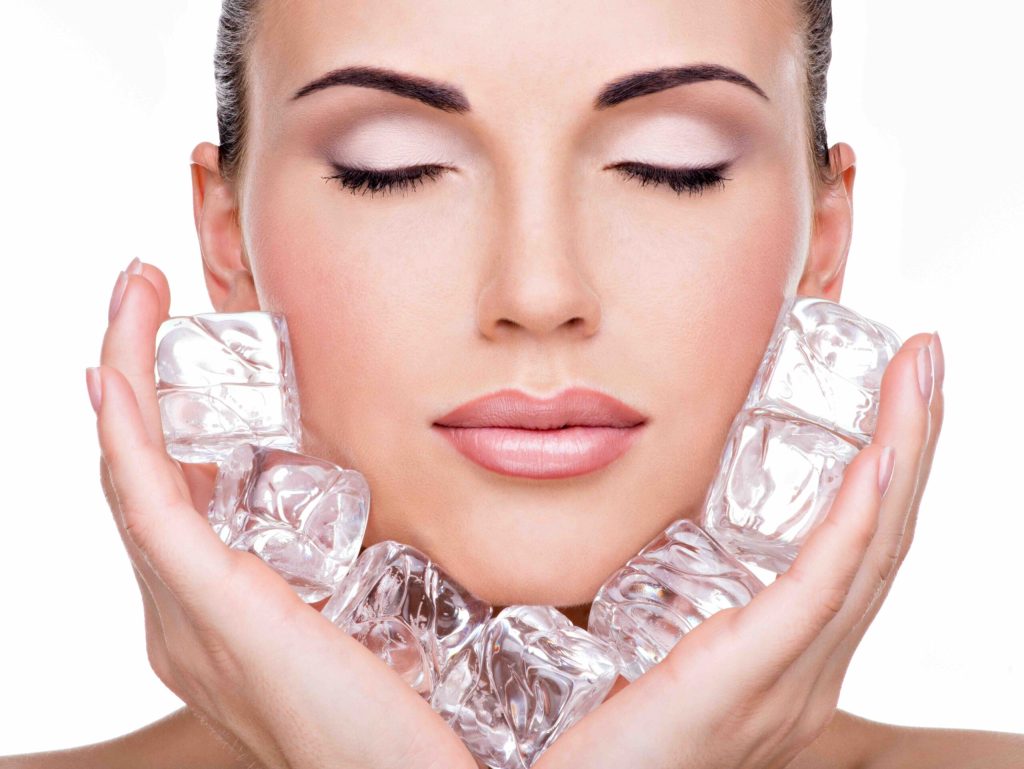
- A device emits a controlled stream of cold air, liquid nitrogen, or carbon dioxide onto the skin.
- Duration ranges from 2–5 minutes, depending on the area treated and skin tolerance.
- The cold is typically applied in short passes to ensure uniform exposure.
Step 3: Post-Treatment Care
- Gentle moisturizer and calming products are applied to soothe the skin.
- Some clinics may offer light massage to stimulate circulation further.
Step 4: Optional Add-Ons
- Cryotherapy may be combined with other treatments, such as serums, LED therapy, or lymphatic drainage, to enhance results.
4. What Are the Safety Considerations and Possible Side Effects?
Cryotherapy facials are generally safe when performed by trained professionals, but certain precautions are necessary.
Common Side Effects
- Temporary redness or tingling
- Mild swelling
- Sensitivity for a few hours post-treatment
Less Common Risks
- Frostbite or skin damage if exposure is too long or temperature is too low
- Aggravation of pre-existing skin conditions if contraindications are ignored
Who Should Avoid Cryotherapy?
- Individuals with cold allergies (cold urticaria)
- People with circulatory or cardiovascular issues
- Pregnant or breastfeeding individuals may need consultation
Safety Tips
- Ensure treatment is performed in a reputable clinic by certified practitioners.
- Follow post-treatment recommendations, such as avoiding extreme sun exposure.
5. What Is the Recommended Maintenance Schedule for Cryotherapy Facials?
Cryotherapy results are cumulative, meaning consistent treatments yield the best outcomes.
Initial Phase
- Recommended 1–2 sessions per week for 4–6 weeks for noticeable improvements in tone and texture.
Maintenance Phase
- After initial results, 1 session every 2–4 weeks helps maintain collagen stimulation and skin radiance.
Long-Term Benefits
- Consistent treatments improve firmness, reduce fine lines, and enhance overall skin health.
- Complementary skincare, including moisturizers and sun protection, supports long-term results.
6. Conclusion
Cryotherapy facial treatments are an innovative, non-invasive approach to skin rejuvenation. By stimulating collagen, enhancing blood flow, reducing inflammation, and boosting cellular metabolism, they offer benefits for a wide range of skin types. While the procedure is generally safe, it is essential to follow professional guidance, consider skin type suitability, and maintain a consistent schedule for optimal results. With proper care, cryotherapy facials can help achieve firmer, smoother, and more radiant skin while supporting long-term skin health.