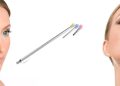























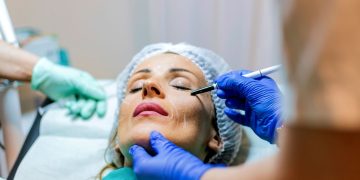

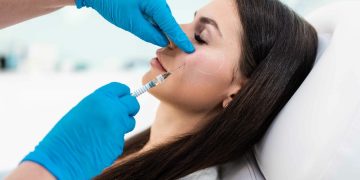
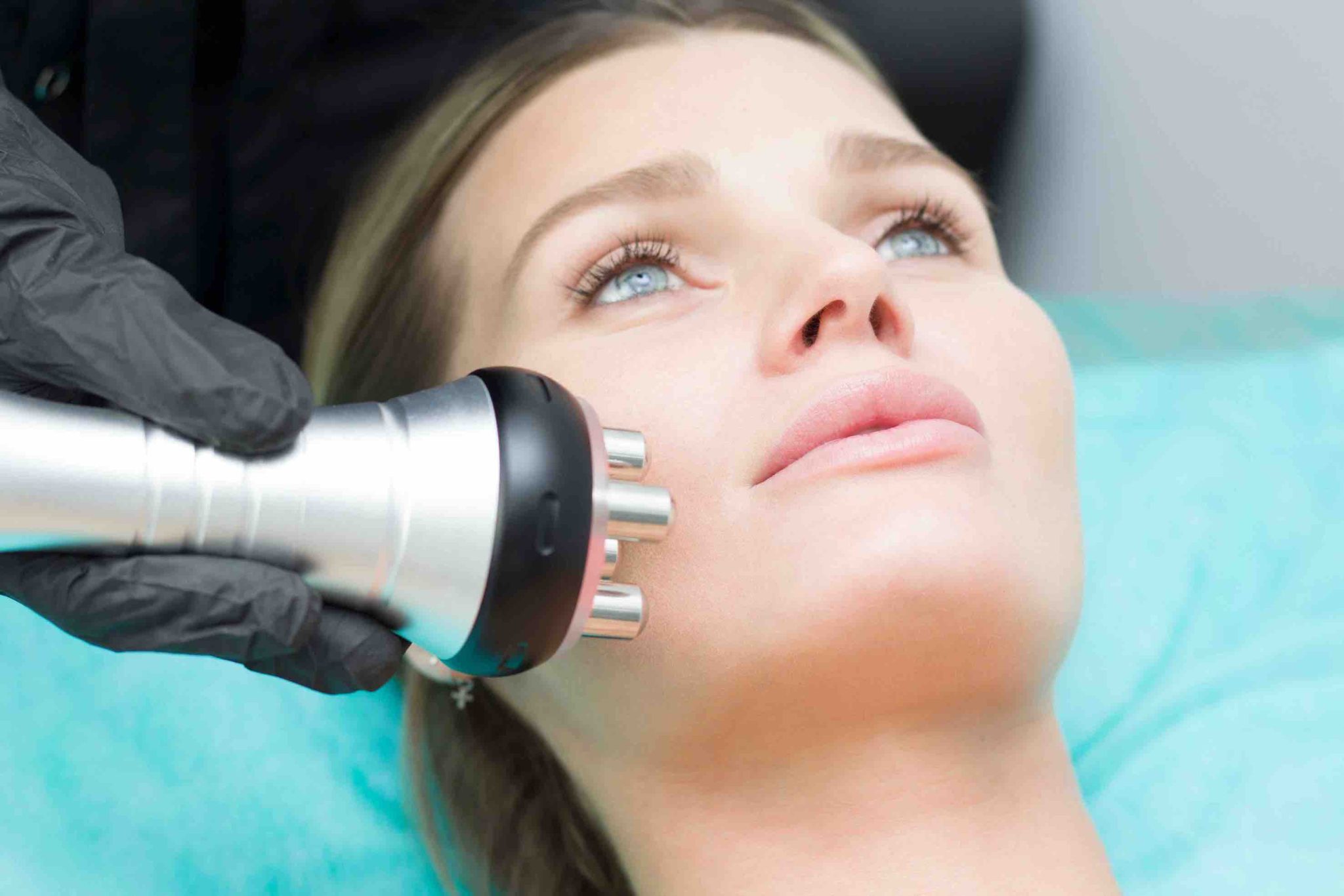
PDO (Polydioxanone) thread lifts have emerged as a popular non-surgical alternative to traditional facelifts, offering a minimally invasive way to lift and rejuvenate the skin. By combining mechanical lifting with collagen stimulation, PDO threads provide subtle yet effective improvements in facial contours without the downtime and risks associated with surgery. Understanding the types of threads, the mechanism behind skin lifting, ideal candidates, potential risks, recovery, and longevity of results is essential for anyone considering this treatment.
1. What Are the Different Types of PDO Threads?
PDO threads are absorbable sutures made of polydioxanone, a biocompatible material widely used in surgical procedures. The choice of thread type determines the lifting effect, texture improvement, and longevity of results.
● Mono Threads
- Smooth threads that do not have barbs.
- Primarily used for skin tightening and collagen stimulation.
- Ideal for areas with fine lines or mild sagging.
- Can be applied in a mesh pattern to improve overall skin texture and elasticity.
● Cog Threads
- Threads with barbs along their length that hook into the tissue for mechanical lifting.
- Provide more significant lifting effects for sagging skin, especially around the jawline and cheeks.
- Barbs stimulate collagen deposition while anchoring the skin in a lifted position.
● Screw Threads
- Twisted or coiled threads that provide volume and support in addition to tightening.
- Often used in areas like cheeks or temples where added fullness is desired.
● Combination Threads
- Some practitioners combine mono and cog threads in a single session to achieve lifting and rejuvenation simultaneously.
- Enhances both texture and facial contour improvement.

2. How Do PDO Threads Mechanically Lift and Rejuvenate Skin?
PDO threads work through two primary mechanisms: immediate mechanical lifting and long-term collagen stimulation.
● Mechanical Lifting
- Barbed or cog threads physically anchor into subcutaneous tissue.
- When inserted strategically, the threads pull sagging areas upward, restoring youthful facial contours.
- Provides instant improvement in areas like the jawline, cheeks, and nasolabial folds.
● Collagen Stimulation
- PDO threads are gradually absorbed by the body over 6–9 months.
- As the threads dissolve, fibroblasts are activated, producing new collagen around the threads.
- This stimulates the skin’s natural repair process, improving firmness, elasticity, and texture for long-lasting results.
● Additional Benefits
- Enhances blood circulation and skin hydration.
- Improves minor asymmetries and softens wrinkles.
- Acts as a preventive measure for early sagging and skin laxity.
3. Who Are the Ideal Candidates for PDO Thread Lifts?
PDO thread lifts are not suitable for everyone. Selecting the right candidates ensures optimal results and safety.
● Best Candidates
- Individuals aged 30–60 with mild to moderate skin laxity.
- Patients seeking non-surgical rejuvenation with minimal downtime.
- Those looking for subtle facial contour improvement rather than dramatic surgical lifting.
● Considerations
- Skin with good elasticity responds best.
- Not ideal for patients with severe sagging, significant fat loss, or deep wrinkles.
- Those with medical conditions affecting healing (e.g., uncontrolled diabetes, bleeding disorders) should avoid treatment.
● Skin Types
- Suitable for all skin types, including lighter and darker tones.
- Patients with sensitive or thin skin may require careful thread selection and insertion technique.
4. What Are the Risks and Recovery Associated with PDO Thread Lifts?
Although minimally invasive, PDO thread lifts come with potential risks and require proper aftercare.
● Common Side Effects
- Mild swelling, redness, or bruising at the insertion site
- Temporary tenderness or discomfort
- Minor asymmetry in early stages that usually resolves
● Less Common Risks
- Thread migration or extrusion (rare with experienced practitioners)
- Infection if post-procedure hygiene is not followed
- Visible dimpling or puckering, generally temporary
● Recovery and Downtime
- Most patients resume normal activities within 1–2 days.
- Avoid strenuous exercise, facial massages, and extreme facial expressions for 1–2 weeks.
- Sleeping on the back is recommended to prevent pressure on treated areas.
- Full lifting and collagen effects become noticeable over 2–3 months as swelling resolves and collagen production begins.
5. How Long Do PDO Thread Lift Results Last?
The longevity of PDO thread lift results depends on thread type, insertion technique, and individual factors.
● Immediate Effects
- Mechanical lifting provides instant improvement in facial contour.
- Initial results are visible immediately after the procedure.
● Collagen-Driven Effects
- New collagen formation continues for 3–6 months, enhancing firmness and skin texture.
- Skin may continue to improve subtly over the following 6–12 months.
● Overall Duration
- Results typically last 12–18 months, depending on age, lifestyle, and skin condition.
- Follow-up treatments can maintain lifting and rejuvenation effects.
● Factors Affecting Longevity
- Smoking, sun exposure, and weight fluctuations may reduce results.
- Consistent skincare and healthy lifestyle habits help prolong effects.
6. Conclusion
PDO thread lifts represent a modern, minimally invasive approach to facial rejuvenation. By combining immediate mechanical lifting with long-term collagen stimulation, they provide subtle, natural-looking improvements for those seeking non-surgical alternatives. Understanding the different thread types, their mechanisms, ideal candidates, potential risks, recovery expectations, and longevity helps patients make informed decisions. With proper care and experienced application, PDO thread lifts can offer safe, effective, and lasting facial contour enhancement without the downtime associated with traditional surgery.