



























In the relentless pursuit of calm, clear skin, we often turn to a dizzying array of topical serums and prescription creams. Yet, a growing body of science and a resurgence of ancient wisdom point to a profound truth: the root of chronic skin inflammation may not lie on the surface, but within the complex interplay of our internal systems, particularly our stress response. Enter adaptogens—a unique class of herbs and roots that have been used for centuries in Ayurvedic and Traditional Chinese Medicine to help the body “adapt” to physical, chemical, and biological stressors. Names like Ashwagandha and Rhodiola are now popping up in wellness circles and even skincare formulations, promising a holistic path to resilience. But can these botanical substances truly quell the internal fires that manifest as redness, acne, eczema, and premature aging? This article will delve into the science of how adaptogens work, spotlight the most popular ones for skin health, explain their mechanism for reducing inflammation, and provide a practical guide to their safe consumption and necessary precautions.
Beyond the Hype: What Are Adaptogens and How Do They Work?
Adaptogens are not a fleeting wellness trend; they are a scientifically-defined category of non-toxic plants that help the body achieve homeostasis, or balance, by modulating the stress response. The key player in this response is the Hypothalamic-Pituitary-Adrenal (HPA) axis, our central stress response system.
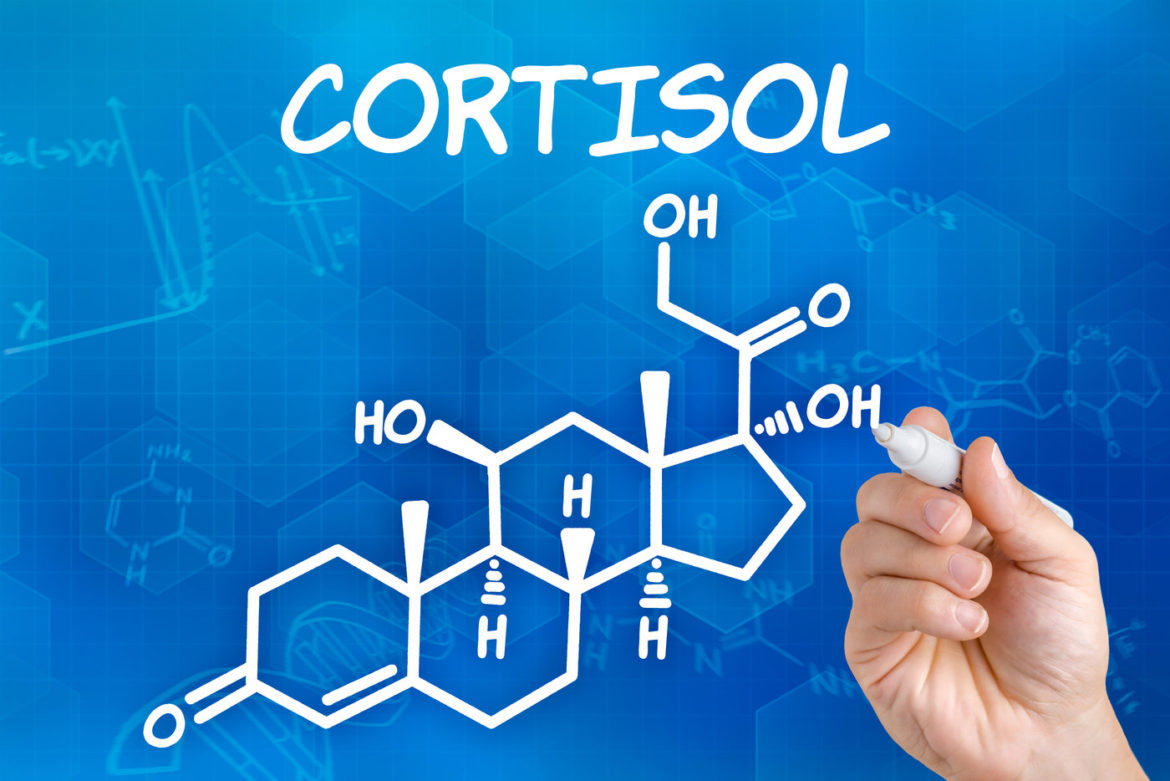
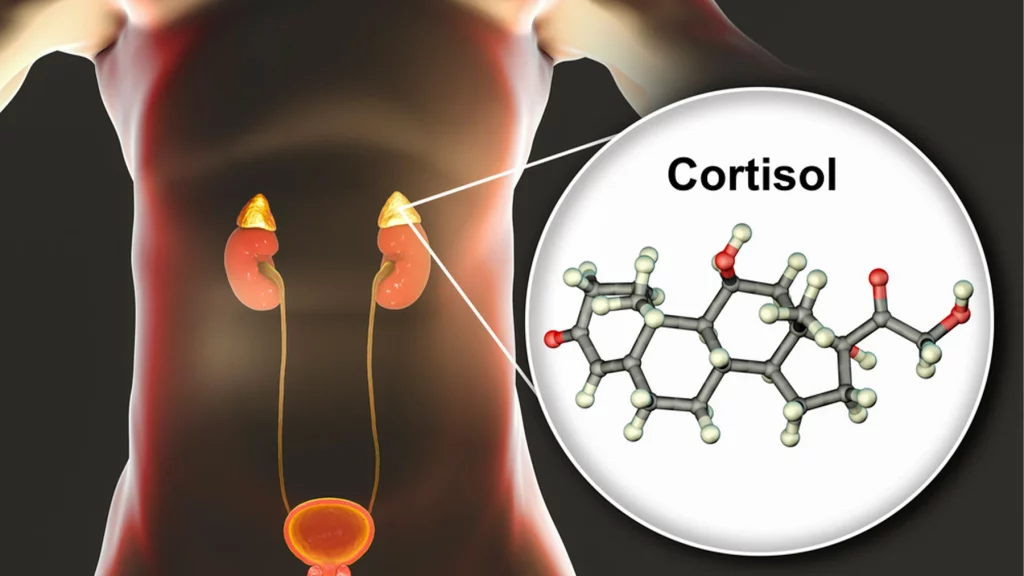
When we encounter a stressor—be it emotional, environmental, or physical—the HPA axis triggers the release of cortisol, the primary stress hormone. While acute cortisol release is life-saving, chronic stress leads to persistently high cortisol levels. This systemic dysregulation has a direct and damaging effect on the skin:
- Increased Inflammation: Cortisol can dysregulate the immune system, leading to the overproduction of pro-inflammatory cytokines, which fuel inflammatory skin conditions like psoriasis, eczema, and acne.
- Compromised Skin Barrier: High cortisol levels can break down the proteins that maintain the skin’s structural integrity, including collagen and elastin. It also impairs the skin’s ability to retain moisture, leading to a weakened, vulnerable barrier.
- Accelerated Aging: The chronic inflammatory state and collagen degradation directly contribute to the formation of fine lines, wrinkles, and loss of firmness.
Adaptogens intervene by regulating the HPA axis. They don’t suppress the stress response; instead, they make it more efficient. They can help lower cortisol when it’s too high and support adrenal function when the body is fatigued, thereby reducing the systemic inflammation that is so often reflected in the skin.
Spotlight on Popular Adaptogens for Skin Health
While many adaptogens exist, a few have emerged with particularly strong evidence for their skin-calming benefits.
1. Ashwagandha (Withania somnifera): The Stress-Relieving Powerhouse
- Mechanism: Often called “Indian Ginseng,” Ashwagandha is one of the most revered herbs in Ayurveda. It is classified as a “withanolide,” and its active compounds have been shown to significantly lower serum cortisol levels. By calming the HPA axis, it reduces the primary driver of stress-induced skin inflammation.
- Skin Benefits:
- Reduces Stress-Induced Breakouts: By lowering cortisol, it can help prevent the hormonal fluctuations that trigger cystic acne.
- Calms Redness and Sensitivity: Its systemic anti-inflammatory effect can soothe conditions like rosacea and general facial redness.
- Slows Glycation: Some studies suggest Ashwagandha can inhibit the cross-linking of collagen and elastin fibers caused by stress and high blood sugar, helping to preserve skin’s youthfulness.
2. Rhodiola Rosea: The Fatigue Fighter and Cognitive Enhancer
- Mechanism: Rhodiola is known for enhancing mental performance and combating fatigue. It works by supporting the neurotransmitters involved in the stress response and helping cells produce energy more efficiently (increasing ATP synthesis). This helps prevent the body from becoming overwhelmed by stressors.
- Skin Benefits:
- Combats Cortisol and Inflammation: Studies show Rhodiola can blunt the rise of cortisol and C-reactive protein (a key marker of inflammation) during acute stress.
- Improves Microcirculation: By supporting cardiovascular function, it may enhance blood flow to the skin, delivering oxygen and nutrients more effectively for a healthier glow.
- Protects Against Oxidative Stress: It contains potent antioxidants that help neutralize the free radicals generated by stress and environmental toxins.
Other Noteworthy Adaptogens:
- Holy Basil (Tulsi): A powerful anti-inflammatory and antioxidant that helps protect the skin from pollution and internal stress.
- Reishi Mushroom: Known as the “queen of mushrooms,” Reishi is a profound immune modulator and anti-inflammatory agent, excellent for calming autoimmune-related skin inflammation.
The Internal Pathway to a Calm Complexion: Mechanism for Skin Health
The journey from consuming an adaptogen to seeing a clearer complexion is indirect but powerful. It follows a clear pathway:
- Ingestion & Systemic Absorption: You consume the adaptogen in powder, tincture, or capsule form.
- HPA Axis Modulation: The active compounds enter the bloodstream and interact with the HPA axis, helping to normalize cortisol output and reduce the production of pro-inflammatory signaling molecules throughout the body.
- Reduced Systemic Inflammation: With lower levels of circulating inflammatory cytokines, the entire body, including the skin, exists in a less inflamed state.
- Manifestation in Skin Health: This internal calm translates to the skin as:
- A reduction in the frequency and severity of inflammatory acne flares.
- Less persistent background redness and sensitivity.
- A stronger, more resilient skin barrier that is better at retaining moisture and defending against external aggressors.
- A slower rate of collagen breakdown, preserving skin firmness.
Dosage, Consumption, and Crucial Precautions
Dosage and Forms:
- Standardized Extracts: This is the most reliable way to ensure potency. Look for capsules standardized for key active compounds (e.g., Ashwagandha with 5% withanolides, Rhodiola with 3% rosavins and 1% salidroside).
- Typical Dosage: Always follow the product’s instructions. A common starting dose for Ashwagandha is 300-500 mg once or twice daily, and for Rhodiola, 200-400 mg once daily (usually in the morning to avoid affecting sleep).
- Consumption: They are best taken consistently, with food, to support absorption and avoid stomach upset. Effects are cumulative and may take 2-6 weeks of consistent use to become noticeable.
Critical Precautions:
- Consult Your Doctor First: This is non-negotiable. Adaptogens are pharmacologically active and can interact with medications.
- Drug Interactions: They can interact with medications for diabetes, blood pressure, thyroid conditions, and sedatives. Ashwagandha, for instance, may theoretically enhance the effects of thyroid medication.
- Autoimmune Conditions: Because they modulate the immune system, adaptogens like Ashwagandha may not be suitable for those with autoimmune diseases like rheumatoid arthritis or lupus without strict medical supervision.
- Pregnancy and Breastfeeding: The safety profile during pregnancy and breastfeeding is not well-established for most adaptogens. Avoid use unless explicitly approved by a healthcare provider.
- “Start Low, Go Slow”: Begin with the lowest possible dose to see how your body reacts before increasing.
Conclusion: A Holistic Pillar for Inflammatory Skin Management
Adaptogens are not a magic bullet for perfect skin, but they represent a powerful, evidence-supported pillar in a holistic approach to managing inflammation. They address a root cause of many modern skin woes—the detrimental impact of chronic stress—in a way that topical products simply cannot. By helping to rebalance the body’s internal stress response, they create a foundation of systemic calm that allows the skin to heal, fortify, and thrive. For those struggling with stress-sensitive conditions like acne, rosacea, and eczema, incorporating adaptogens like Ashwagandha and Rhodiola, under the guidance of a healthcare professional, could be the missing link in achieving not just a calmer complexion, but a more resilient and balanced state of being.