


























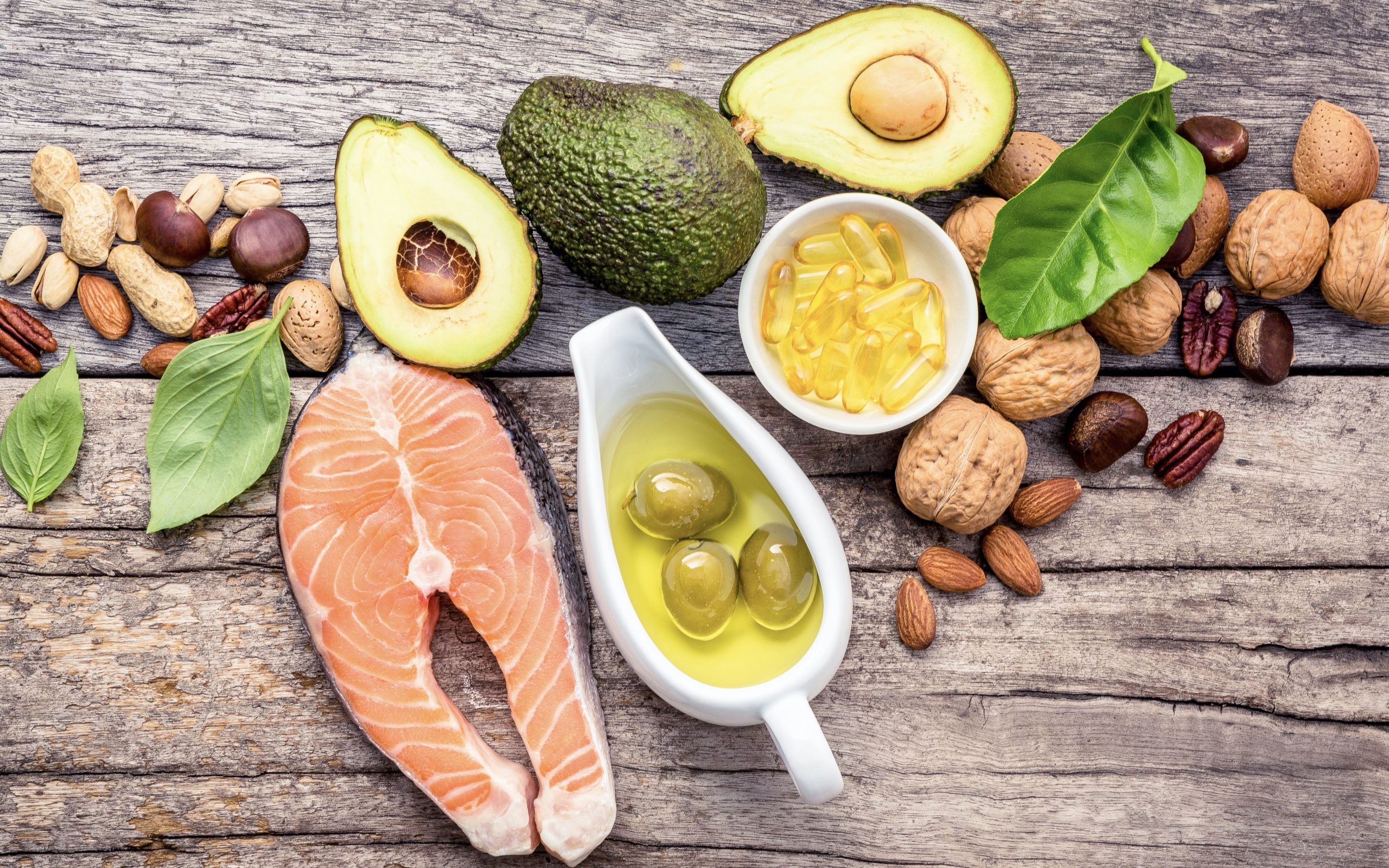
The pursuit of radiant skin and lustrous hair often leads us down an endless aisle of serums, creams, and treatments. Yet, one of the most powerful elixirs for true, lasting beauty doesn’t come in a bottle; it comes on your plate. Omega fatty acids, specifically the delicate balance between Omega-3 and Omega-6, are fundamental building blocks for cellular health, influencing everything from your skin’s hydration and elasticity to your hair’s strength and shine. While the term “healthy fats” is widely used, the profound, internal impact of these specific fats on our external appearance is often overlooked. Simply consuming fats is not enough; the type and ratio of fats you consume dictate whether you are fueling inflammation or fostering a resilient, luminous glow from within. This comprehensive guide will demystify the critical differences between Omega-3 and Omega-6, pinpoint the best food sources, navigate the world of supplements, and provide practical daily intake tips to help you harness the transformative power of these essential nutrients.
The Internal Balancing Act: Omega-3 vs. Omega-6 Explained
To understand their role in beauty, we must first grasp their function in the body. Both Omega-3 and Omega-6 are polyunsaturated fats deemed “essential” because our bodies cannot produce them; we must get them from our diet. However, they play opposing roles in one key biological process: inflammation.
Omega-3 Fatty Acids: The Anti-Inflammatory Heroes
Omega-3s, particularly EPA (eicosapentaenoic acid) and DHA (docosahexaenoic acid), are potent anti-inflammatory agents. They are incorporated into cell membranes, making them more fluid and flexible. When it comes to beauty, their benefits are direct and powerful:
- For Skin: They help calm inflammatory skin conditions like acne, rosacea, and psoriasis. By strengthening the skin’s lipid barrier, they improve the skin’s ability to retain moisture, leading to plumper, more hydrated skin and a reduction in fine lines. DHA is a structural component of the skin, contributing to its overall health.
- For Hair: A healthy, well-circulated scalp is the foundation for healthy hair. Omega-3s reduce inflammation on the scalp, which can disrupt the hair growth cycle. They also add shine and luster to the hair shaft by providing essential hydration from within.
Omega-6 Fatty Acids: The Pro-Inflammatory Necessity (in Moderation)
Omega-6s, like Linoleic Acid (LA), are also crucial for health. They are vital for skin function—in fact, a deficiency can lead to dry skin and hair loss. However, the modern diet has created a significant problem. While our ancestors consumed a ratio of Omega-6 to Omega-3 close to 1:1 or 4:1, the typical Western diet now skews dramatically to 20:1 or even 30:1.
This imbalance is highly pro-inflammatory. Excessive Omega-6s, especially from processed vegetable oils (soybean, corn, sunflower), are converted in the body into arachidonic acid, which fuels inflammatory pathways. This systemic inflammation can manifest as increased skin sensitivity, redness, breakouts, and a generally dull complexion.
The Goal: The objective is not to eliminate Omega-6s, but to increase your Omega-3 intake and choose your Omega-6 sources wisely to bring the ratio back into a healthier balance.
Sourcing the Glow: The Best Food Sources for Each Omega
The most effective way to achieve this balance is through strategic food choices.
Top Food Sources for Omega-3s (EPA & DHA):
- Fatty, Cold-Water Fish: This is the most direct and bioavailable source.
- Salmon (especially wild-caught)
- Mackerel
- Sardines
- Herring
- Anchovies
- Fish Roe (Caviar): An exceptionally rich source.
- Algae Oil: A fantastic, sustainable vegan source of both EPA and DHA, derived from the microalgae that fish consume.
Top Food Sources for Omega-3s (ALA – Plant-Based):
The body must convert ALA (Alpha-linolenic acid) into EPA and DHA, a process that is inefficient (often less than 10%). Therefore, those on plant-based diets need to be especially mindful.
- Flaxseeds and Flaxseed Oil (the richest source)
- Chia Seeds
- Hemp Seeds
- Walnuts
Smart Sources of Omega-6s:
Focus on getting your Omega-6s from whole, unprocessed foods rather than refined oils.
- Nuts and Seeds: Pumpkin seeds, sunflower seeds, pine nuts.
- Unrefined Oils: Extra virgin olive oil, avocado oil, and unrefined sesame oil in moderation.
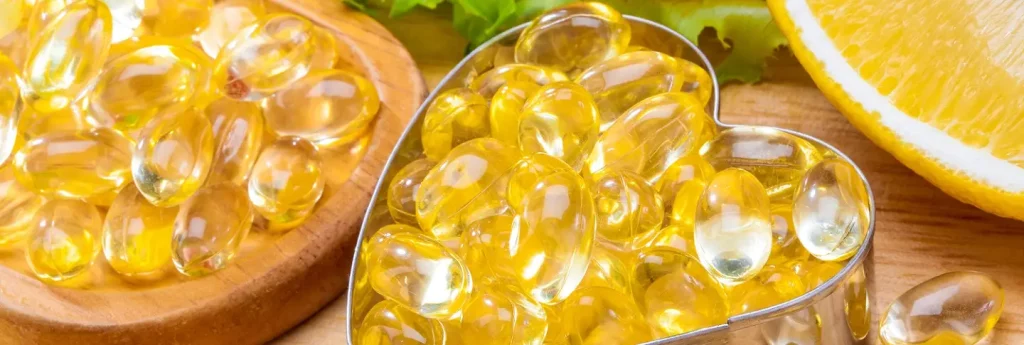
Navigating the Supplement Aisle: A Guide to Omega Supplements
While food should always be the foundation, supplements can be a practical way to ensure adequate intake, particularly for Omega-3s.
Types of Omega-3 Supplements:
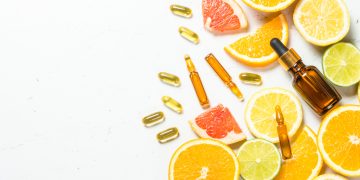
- Fish Oil: The most common source. Look for brands that are third-party tested for purity (free from heavy metals like mercury and PCBs) and sustainability (MSC certified). Triglyceride form is generally better absorbed than ethyl ester.
- Krill Oil: Contains EPA and DHA bound to phospholipids, which may enhance absorption. It also contains the antioxidant astaxanthin.
- Algae Oil: The premier choice for vegans and vegetarians. It provides a direct, sustainable source of EPA and DHA without the risk of oceanic pollutants.
- Flaxseed Oil: A source of ALA, but remember the conversion rate to EPA and DHA is low. It is better for general health than for targeting specific skin and hair benefits linked to EPA and DHA.
What to Look For:
- A supplement that provides a combined 1,000 mg of EPA and DHA per day is a good therapeutic dose for beauty and anti-inflammatory benefits.
- Check the supplement facts label, not just the front. A capsule might say “1,000 mg Fish Oil” but only contain 300 mg of actual EPA and DHA.
Practical Daily Intake Tips for a Radiant Balance
Incorporating the right fats into your daily life can be simple and delicious.
- The “Two Fish Servings” Rule: Aim to eat fatty fish at least twice a week. A salmon fillet for dinner or sardines on toast for lunch are perfect ways to meet this goal.
- The Seed Topping Trick: Keep a jar of a seed blend (ground flax, chia, and hemp) in your fridge. Sprinkle it on oatmeal, yogurt, salads, and smoothies daily. This boosts your ALA intake and adds fiber.
- Smart Oil Swaps: Replace processed vegetable oils (like generic “vegetable oil”) in your kitchen with extra virgin olive oil for low-heat cooking and dressings, and avocado oil for higher-heat cooking.
- The Handful of Walnuts: A perfect snack. A small handful of walnuts provides a good dose of ALA Omega-3s and other nutrients.
- Supplement Strategically: If you don’t consume fish regularly, consider a high-quality fish oil or algae oil supplement with your main meal to enhance absorption.
- Read Labels: Be mindful of packaged foods. Crackers, chips, and dressings are often loaded with inflammatory soybean and corn oil. Opt for brands made with healthier fats.
Conclusion: Feeding Your Glow from the Inside Out
The journey to truly vibrant skin and hair is an internal one. By understanding the critical, opposing roles of Omega-3 and Omega-6 fatty acids, you gain the power to directly influence your body’s inflammatory state and, consequently, your external radiance. Shifting your diet to prioritize anti-inflammatory Omega-3s from fatty fish and strategic plant sources, while consciously reducing processed Omega-6 oils, is one of the most impactful holistic beauty strategies you can adopt. This is not a short-term fix but a long-term investment in the fundamental health of your cells. When you nourish your body with the right building blocks, the result is a glow that no topical product can replicate—a luminosity that comes from a place of deep, cellular health and balance.