



















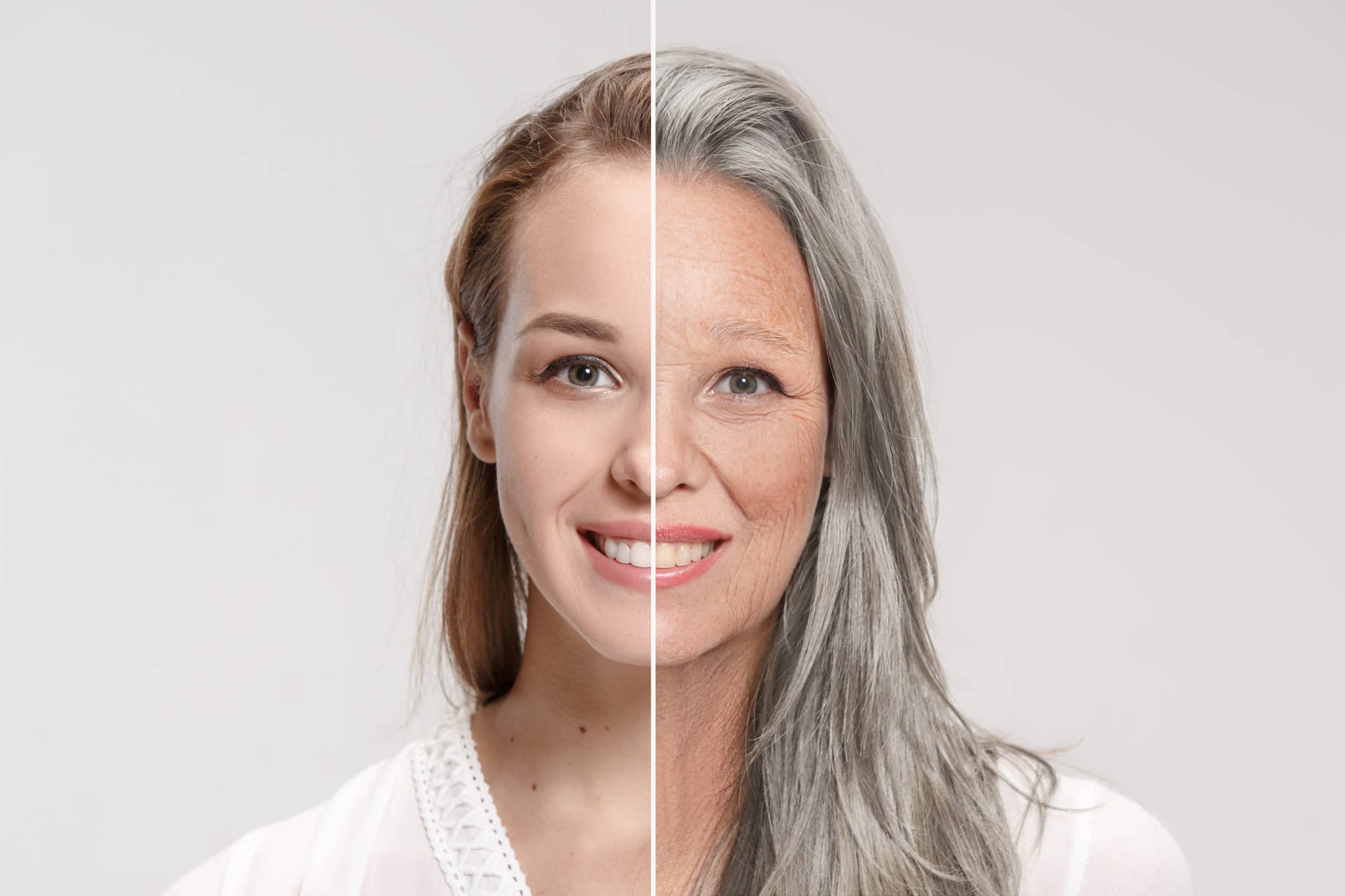
When it comes to maintaining radiant, healthy skin, what we consume can be just as influential as what we apply topically. Among the most commonly consumed substances, alcohol and caffeine have complex effects on the skin—both beneficial and potentially harmful. While moderate intake can fit into a balanced lifestyle, excessive or poorly timed consumption can lead to dehydration, inflammation, premature aging, and breakouts. Understanding these effects and learning strategies to mitigate their impact can help you enjoy your favorite beverages without compromising your skin’s health.
This article explores how alcohol and caffeine influence skin hydration, trigger inflammation, and affect overall skin appearance, along with practical tips and alternative choices for skin-friendly consumption.
Alcohol and Skin Hydration: A Double-Edged Sword
Alcohol is known for its dehydrating effects, which directly influence the skin’s moisture levels.
1. Mechanism of Dehydration
- Alcohol is a diuretic, meaning it increases urine output and can lead to fluid loss.
- Dehydration reduces skin turgor, making fine lines and wrinkles more noticeable.
- Chronic alcohol consumption can impair skin barrier function, causing dryness and sensitivity.
2. Effects on Skin Appearance
- Dull, lackluster complexion due to insufficient hydration.
- Dry patches, rough texture, or flakiness.
- Temporary redness or puffiness from vascular dilation.
3. Mitigation Tips
- Drink water before, during, and after alcohol consumption to counteract dehydration.
- Incorporate hydrating skincare products, such as humectant-rich serums and moisturizers.
- Limit alcohol intake, particularly close to bedtime, to maintain overnight skin repair.
Caffeine and Its Hydration Effects
Caffeine, found in coffee, tea, and energy drinks, also affects hydration, though differently than alcohol.
1. Mild Diuretic Effect
- Moderate caffeine intake typically does not significantly dehydrate most healthy adults.
- Excessive consumption without adequate water can contribute to dryness and fatigue, indirectly affecting skin appearance.
2. Effects on Skin Health
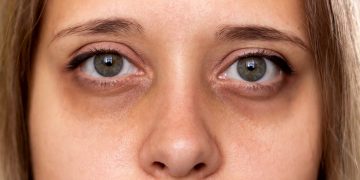
- Temporary dehydration may lead to dullness and accentuated fine lines.
- Overconsumption can increase cortisol, a stress hormone linked to inflammation and acne flare-ups.
3. Mitigation Tips
- Balance caffeinated beverages with water intake throughout the day.
- Choose herbal teas or decaffeinated options in the late afternoon to prevent sleep disruption.
Inflammation: How Alcohol and Caffeine Trigger Skin Reactions
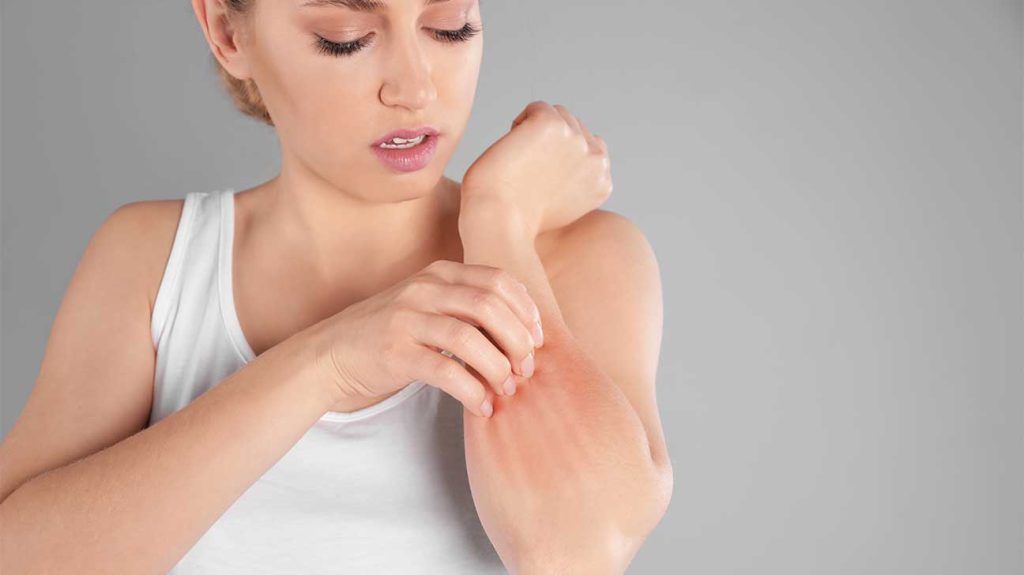
Beyond hydration, both alcohol and caffeine can influence inflammatory processes in the skin.
1. Alcohol-Induced Inflammation
- Promotes blood vessel dilation, leading to redness, flushing, and broken capillaries.
- Can worsen inflammatory skin conditions such as rosacea, eczema, or psoriasis.
- Excessive drinking elevates oxidative stress, accelerating collagen breakdown and premature aging.
2. Caffeine and Inflammatory Responses
- High caffeine intake may elevate cortisol levels, which can increase sebum production and trigger acne.
- Some individuals experience sensitivity, resulting in redness or puffiness.
3. Strategies to Minimize Inflammation
- Limit alcohol to moderate levels (e.g., 1 drink per day for women, 2 for men).
- Space caffeine intake throughout the day instead of consuming large quantities at once.
- Incorporate anti-inflammatory foods and beverages, such as green leafy vegetables, berries, and herbal teas.
- Use antioxidant-rich skincare to combat oxidative stress from both alcohol and caffeine.
Tips to Enjoy Alcohol and Caffeine Without Compromising Skin Health
1. Hydration Strategies
- Alternate alcoholic drinks with water or mineral water.
- Consume caffeine alongside water-rich foods like fruits or soups.
2. Timing Considerations
- Avoid alcohol and high doses of caffeine close to bedtime to maintain restorative sleep, which is crucial for skin repair.
- Morning coffee is preferable to late-afternoon consumption to prevent cortisol disruption.
3. Skincare Routine Adjustments
- On days when you consume alcohol or caffeine, focus on intensive hydration and barrier support.
- Consider using calming, soothing ingredients such as hyaluronic acid, niacinamide, and ceramides.
Skin-Friendly Alternatives
For those looking to reduce alcohol or caffeine without missing out on ritual or flavor:
1. Alcohol Alternatives
- Sparkling water with fresh fruit or herbs for a refreshing, festive feel.
- Low-alcohol or alcohol-free wines and cocktails.
- Kombucha or naturally fermented beverages for gut and skin benefits.
2. Caffeine Alternatives
- Herbal teas such as chamomile, rooibos, or peppermint.
- Adaptogenic beverages with ingredients like ashwagandha or reishi to support stress management.
- Green smoothies or fresh juices to provide natural energy without overstimulating the system.
Integrating Mindful Consumption Into Your Lifestyle
- Track your daily alcohol and caffeine intake and notice its impact on skin and mood.
- Pair beverages with meals to slow absorption and reduce glycation and inflammation.
- Prioritize hydration before, during, and after drinking caffeinated or alcoholic drinks.
- Support skin health with antioxidant-rich foods, topical treatments, and adequate sleep.
- Practice moderation and intentional consumption rather than habitual overuse.
Conclusion
Alcohol and caffeine are staples of many lifestyles, but understanding their impact on skin health is essential for maintaining a radiant, youthful complexion. Both substances influence hydration, inflammation, and skin barrier function, but with mindful consumption, proper hydration, and supportive dietary and skincare habits, their negative effects can be minimized. By incorporating these strategies, you can enjoy your favorite beverages responsibly while protecting and enhancing your skin’s natural beauty.