
























The pursuit of youthful, radiant skin is a multi-billion dollar industry, filled with serums, creams, and high-tech procedures. Yet, one of the most powerful anti-aging strategies is often the most overlooked: the food on your plate. While topical treatments work from the outside in, nutrition works from the inside out, influencing the very building blocks of your skin at a cellular level. Chronological aging is inevitable, but the rate at which your skin shows signs of wear—fine lines, wrinkles, sagging, and dullness—is profoundly influenced by your dietary choices. By consistently consuming a targeted selection of vitamins, minerals, and antioxidants, you can actively combat the primary drivers of aging: oxidative stress, inflammation, and cellular degradation. This guide will detail the essential nutrients for skin longevity, identify the powerhouse foods that contain them, provide simple sample meals, and explain how to synergize your diet with a supportive lifestyle for maximum anti-aging impact.
The Cellular Defense Toolkit: Essential Vitamins, Minerals, and Antioxidants
To build an effective anti-aging diet, you must understand the “what” and “why” behind each key nutrient.
1. Potent Antioxidants: The Free Radical Neutralizers
Free radicals are unstable molecules generated by UV exposure, pollution, and normal metabolism. They cause oxidative stress, damaging collagen, elastin, and cellular DNA, which leads to premature aging.
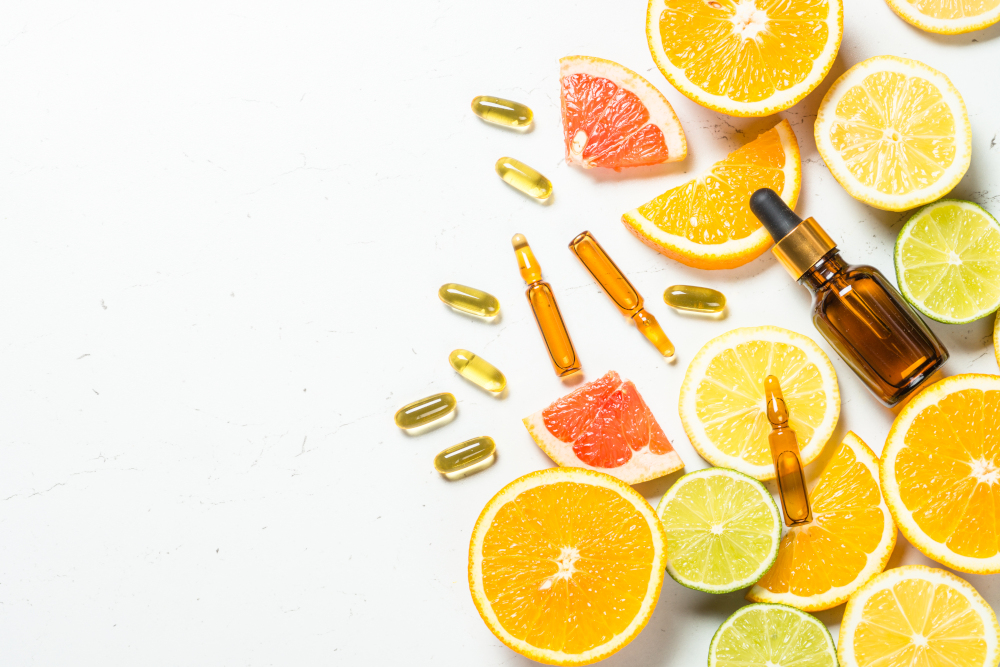
- Vitamin C: This is a superstar. It’s a potent antioxidant that also serves as an essential co-factor for the production of both collagen and elastin. Without adequate Vitamin C, collagen synthesis falters.
- Vitamin E: A fat-soluble antioxidant that works synergistically with Vitamin C. It protects cell membranes from lipid peroxidation (the “rusting” of fats).
- Polyphenols (e.g., Flavonoids, Resveratrol): Found in colorful plants, these compounds have powerful anti-inflammatory and antioxidant properties. They can help protect the skin from UV damage and improve skin texture.
- Carotenoids (Beta-Carotene, Lycopene, Lutein): These pigments give fruits and vegetables their red, orange, and yellow hues. They accumulate in the skin, providing a subtle internal sunscreen and neutralizing free radicals generated by UV light.
2. Collagen Co-Factors and Building Blocks
Collagen is the protein that gives skin its structure and firmness. Production naturally declines with age, but we can support it nutritionally.
- Vitamin C: As mentioned, it’s non-negotiable for collagen formation.
- Copper and Zinc: These trace minerals are essential co-factors for the enzymes that cross-link and stabilize collagen fibers, making them strong and resilient.
- Protein & Amino Acids: Collagen is a protein made from amino acids like glycine, proline, and hydroxyproline. Consuming adequate high-quality protein provides the raw materials for its production.
3. Anti-Inflammatory Powerhouses
Chronic, low-grade inflammation (inflammaging) is a key driver of accelerated aging, breaking down collagen and impairing skin repair.
- Omega-3 Fatty Acids (EPA & DHA): These are powerfully anti-inflammatory. They are incorporated into cell membranes, improving skin elasticity and hydration while calming inflammatory pathways linked to conditions like psoriasis and acne.
- Zinc: Beyond its role in collagen, zinc is a critical anti-inflammatory mineral that supports wound healing and controls oil production.
The Daily Anti-Aging Pantry: Powerhouse Foods to Incorporate
Build your diet around these nutrient-dense foods to ensure a constant supply of age-defying compounds.
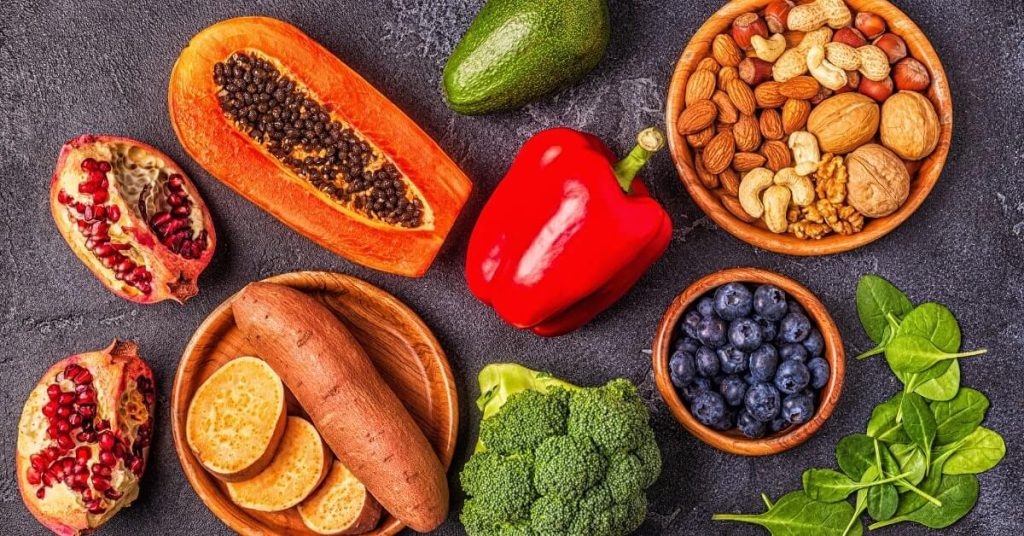
- Vitamin C Champions: Bell peppers (especially yellow), citrus fruits (oranges, grapefruit), kiwi, strawberries, broccoli, and Brussels sprouts.
- Vitamin E Sources: Almonds, sunflower seeds, avocado, and spinach.
- Polyphenol Powerhouses: Berries (blueberries, raspberries), dark leafy greens, green tea, dark chocolate (70%+ cocoa), and pomegranates.
- Carotenoid-Rich Foods: Sweet potatoes, carrots, tomatoes (cooked for more lycopene), watermelon, and kale.
- Omega-3 Fatty Acids: Fatty fish like salmon, mackerel, and sardines; and plant sources like walnuts, flaxseeds, and chia seeds.
- Zinc and Copper: Pumpkin seeds, lentils, chickpeas, and quinoa.
Sample Daily Meals: A Blueprint for Youthful Eating
Integrating these foods is simpler than it seems. Here’s what a day of anti-aging nutrition could look like:
Breakfast: Berry and Spinach Power Smoothie
- Why it Works: This meal is an antioxidant and Vitamin C bomb.
- Recipe: Blend 1 cup unsweetened almond milk, a large handful of spinach, 1/2 cup mixed frozen berries, 1 tbsp ground flaxseed (for Omega-3s and fiber), and a scoop of high-quality protein powder.
Lunch: Quinoa Salad with Salmon and Avocado
- Why it Works: This is a complete meal for collagen support and inflammation control.
- Recipe: Combine 1 cup of cooked quinoa (zinc, copper, protein) with a 4-oz grilled salmon fillet (Omega-3s, protein). Top with mixed greens, cherry tomatoes (lycopene), cucumber, and 1/4 of a sliced avocado (Vitamin E, healthy fats). Dress with olive oil and lemon juice.
Dinner: Chicken and Rainbow Vegetable Stir-fry
- Why it Works: Maximizes colorful vegetable intake and provides lean protein.
- Recipe: Stir-fry chicken breast strips with a colorful mix of red bell peppers (Vitamin C), broccoli (Vitamin C, fiber), carrots (beta-carotene), and shiitake mushrooms. Use a sauce of tamari, ginger, and garlic for flavor.
Snack: A handful of almonds and an orange.
- Why it Works: Almonds provide Vitamin E and healthy fats, while the orange delivers a hefty dose of Vitamin C.
Synergistic Lifestyle: Making Your Anti-Aging Diet Even More Effective
Nutrition is the foundation, but its effects are magnified when combined with other healthy lifestyle habits.
- Hydration is Non-Negotiable: Water is essential for plumping skin cells, facilitating nutrient transport, and flushing out metabolic waste. Dehydrated skin looks drier, more wrinkled, and less radiant. Aim for at least 2 liters of water daily, more if you are active.
- Consistent Sleep is Cellular Repair Time: During deep sleep, your body releases human growth hormone, which stimulates collagen production and cell repair. Poor sleep increases cortisol, a stress hormone that breaks down collagen. Aim for 7-9 hours of quality sleep per night.
- Manage Chronic Stress: High cortisol doesn’t just break down collagen; it also promotes inflammation. Incorporate daily stress-reduction practices like meditation, yoga, or walking in nature to keep cortisol levels in check.
- Sun Protection is Your Topical Partner: No amount of internal antioxidants can fully compensate for excessive, unprotected sun exposure. UV radiation is the number one cause of extrinsic aging. Use a broad-spectrum SPF 30+ sunscreen daily, rain or shine.
Conclusion: A Lifelong Feast for Youthful Skin
The quest for younger-looking skin is not about finding a single miracle food but about cultivating a consistent, daily practice of nourishing your body with the right nutrients. This dietary approach is a long-term investment in your skin’s health, building resilience from within that no cream can replicate. By making your plate a rainbow of antioxidants, ensuring adequate protein and healthy fats, and supporting your diet with hydration, sleep, and stress management, you create a powerful, synergistic defense against the visible signs of aging. This is not a restrictive diet but a joyful, flavorful celebration of food that empowers you to take control of your skin’s vitality for years to come.