
















Protective hairstyles have become essential for maintaining hair strength, preventing damage, and supporting long-term growth. Whether your hair is curly, coily, wavy, or straight, minimizing breakage comes down to reducing friction, tension, and environmental stress. Protective styling isn’t just about aesthetics—it’s a holistic approach combining hairstyle choices, nighttime routines, product strategies, and healthy maintenance habits.
Below is a comprehensive, in-depth guide that explains how protective styles work, which options offer the best protection, and how to avoid the common mistakes that cause more harm than good.
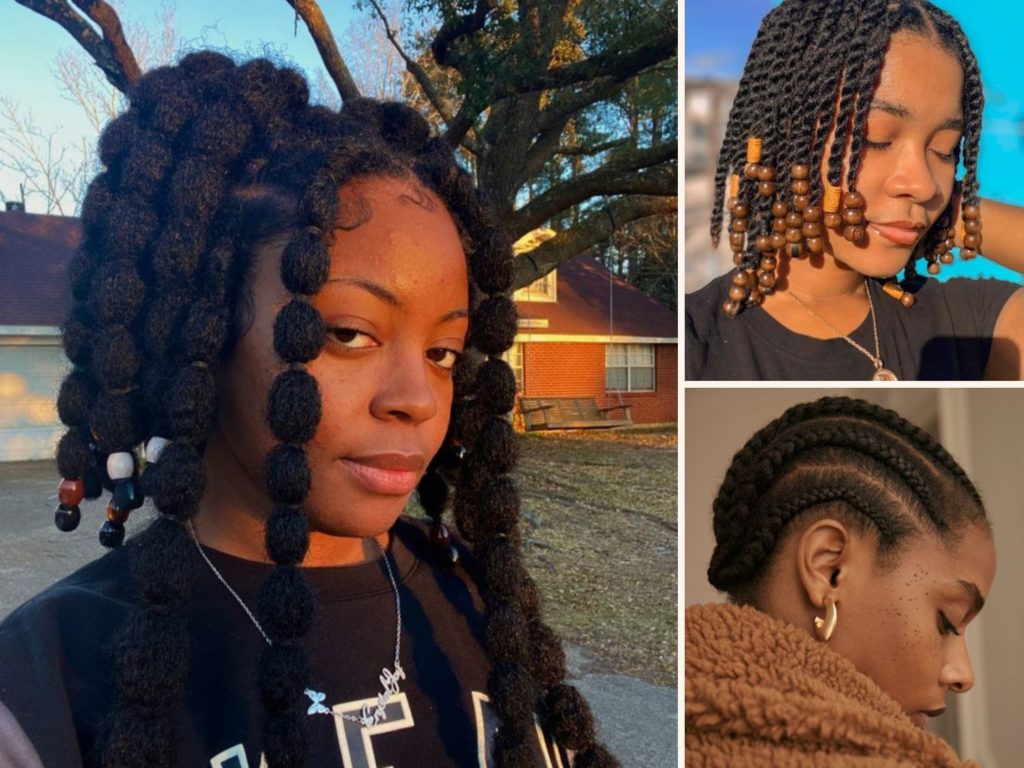
How Do Braids, Buns, and Twists Protect Your Hair?
Protective hairstyles reduce exposure to environmental factors while minimizing manipulation. By keeping ends tucked away and decreasing daily friction, these styles help preserve moisture, prevent split ends, and reduce breakage.
1. Braids: Versatile and Low-Maintenance
Braids are one of the most popular protective styles due to their adaptability.
Why braids work:
- Keep ends tucked and shielded
- Reduce friction with clothing and pillows
- Minimize daily brushing and styling
- Maintain moisture when paired with leave-in products
Types of protective braids:
- Three-strand braids
- Box braids
- Knotless braids (gentler on roots)
- Dutch and French braids
- Mini braids
Best for: Most hair types, especially wavy, curly, and coily textures needing moisture retention.
Caution:
Avoid heavy extensions if your hair is fine or already fragile—weight too far from the scalp causes tension, leading to traction alopecia.
2. Buns: A Simple, Elegant, Protective Option
Buns keep hair compact, reducing snagging and tangling.
Why buns are effective:
- Ends stay completely protected
- Easy to re-do daily without excessive friction
- Suitable for all hair types
- Lower risk of matting compared to long-term braids
Best types of protective buns:
- Low, loose buns
- Silk scrunchie buns
- Braided bun
- Twisted low bun
Caution:
Avoid tight or high ballerina buns—these can pull on hair follicles and strain the hairline.
3. Twists: Gentle, Moisture-Friendly Styles
Twists are beloved for both their gentle tension and low manipulation.
Why twists help reduce breakage:
- Place minimal strain on the scalp
- Allow natural texture to remain intact
- Make it easy to moisturize and refresh
- Great for fragile, transitioning, or fine strands
Popular twist variations:
- Two-strand twists
- Flat twists
- Rope twists
- Mini twists
Caution:
Keep twist sections balanced—too small = tangling; too large = unraveling.
What Nighttime Strategies Offer the Best Breakage Protection?
Nighttime is when the most friction occurs. Pillows, tossing, dryness, and tangles all contribute to weakened strands. Protecting your hair at night is equally important as choosing the right hairstyle.
1. Use Silk or Satin Pillowcases
Cotton absorbs moisture and causes friction.
Silk or satin allows hair to glide smoothly, maintaining hydration and reducing split ends.
2. Sleep with a Silk or Satin Bonnet
For curly and coily hair, a bonnet is essential.
Benefits include:
- Holding styles in shape
- Reducing tangling
- Maintaining moisture
- Preventing hairline stress
3. Preserve Styles with Pineapple Updos
For textured hair:
- Gently gather hair on top of the head
- Secure with a loose scrunchie
- Keeps curls defined
- Reduces matting overnight
4. Reapply Light Moisture Before Bed
A few drops of lightweight oil or a hydrating mist helps retain softness and prevent overnight dryness.
Go-to nighttime oils:
- Argan
- Jojoba
- Sweet almond
How Can You Avoid Tight Styling and Tension Damage?
Even a protective style can become damaging if done too tightly. Tension-induced damage is one of the leading causes of hair thinning, breakage, and traction alopecia.
Signs Your Style Is Too Tight:
- A headache within minutes of styling
- Visible bumps around the hairline
- Redness or inflammation
- Hair snapping near roots
- Pain when touching your scalp
How to Avoid Tension Damage:
- Ask stylists for “no tension” techniques
- Avoid pulling edges into tight braids or buns
- Limit heavy extensions
- Alternate parting patterns to avoid repeated stress
- Give your edges dedicated rest periods
Safe Styling Rule:
If it hurts, it’s NOT protective.
Which Products Help Support Protective Styles and Minimize Breakage?
Products can make or break your protective styling routine. The goal is to preserve moisture, prevent friction, and add slip without causing buildup.
1. Leave-In Conditioners
Provide hydration and slip to prevent tangles before styling.
Best textures: cream for thick hair, lightweight sprays for fine hair.
2. Lightweight Oils
Seal moisture into the hair shaft and reduce friction.
Good options:
- Argan
- Jojoba
- Grapeseed
- Olive oil (for thicker textures)
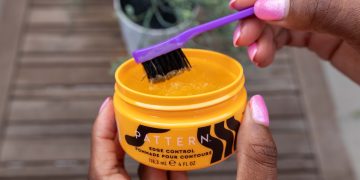
3. Edge Care Products
Use gentle, nourishing formulas rather than alcohol-heavy gels.
Look for ingredients like aloe, shea butter, flaxseed gel.
4. Styling Creams and Butters
For braids and twists, creams help with grip and frizz control.
For buns, a soft cream provides smoothing without stiffness.
5. Scalp Refreshers
To avoid buildup when wearing long-term protective styles, use:
- Tea tree sprays
- Aloe scalp mists
- Rose water
- Witch hazel pads
6. Weekly Deep Conditioning
Even with protective styling, hydration is non-negotiable.
Choose masks with:
- Shea butter
- Hyaluronic acid
- Ceramides
- Coconut milk
- Amino acids
Putting It All Together: A Breakage-Minimizing Routine
Here is an ideal weekly routine when wearing protective styles:
Daily:
- Mist hair lightly with hydrating spray
- Seal ends with a light oil
- Protect hair with silk/satin at night
Weekly:
- Cleanse scalp with a gentle shampoo or cleansing water
- Deep condition (before re-styling, if wearing short-term styles)
- Check tension points around edges
Monthly:
- Take breaks between long-term styles
- Trim split ends as needed
- Nourish scalp with a hot oil treatment
Final Thoughts: What Makes a Protective Style Truly Protective?
A protective hairstyle is only effective when it avoids tension, preserves moisture, and reduces manipulation. Choosing gentle styles like braids, twists, and loose buns—paired with smart nighttime habits and supportive products—creates an environment where hair can grow stronger, healthier, and break less.
Remember: protection is a routine, not just a hairstyle.