










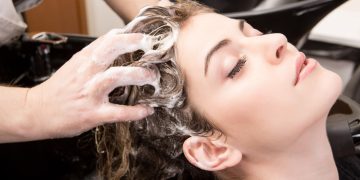











We exfoliate our faces to reveal brighter, smoother skin and our bodies to achieve a silky texture, yet we consistently neglect the foundation from which our hair grows: the scalp. Buried under layers of hair, product, and natural oils, the scalp is a dynamic ecosystem that, when congested, can become a major roadblock to achieving healthy, vibrant hair. Scalp buildup—a mixture of dead skin cells, excess sebum, and environmental pollutants—can clog hair follicles, stifling growth and leading to a cascade of issues including flakiness, itchiness, and lackluster locks. Scalp exfoliation is no longer a niche salon treatment; it is an essential, yet often missing, step in a holistic hair care routine. This guide will demystify the process by comparing physical and chemical exfoliants, outlining safe frequency and techniques, helping you identify the signs of buildup, and detailing the crucial post-exfoliation care needed to transform your scalp into a fertile ground for optimal hair growth.
Understanding Your Tools: Physical vs. Chemical Exfoliants
Just like facial exfoliation, scalp exfoliation falls into two main categories, each with a distinct mechanism for clearing away debris.
Physical Exfoliants: The Manual Scrubbing Agents
These products use fine, abrasive particles or tools to manually slough away dead skin cells and buildup through friction.
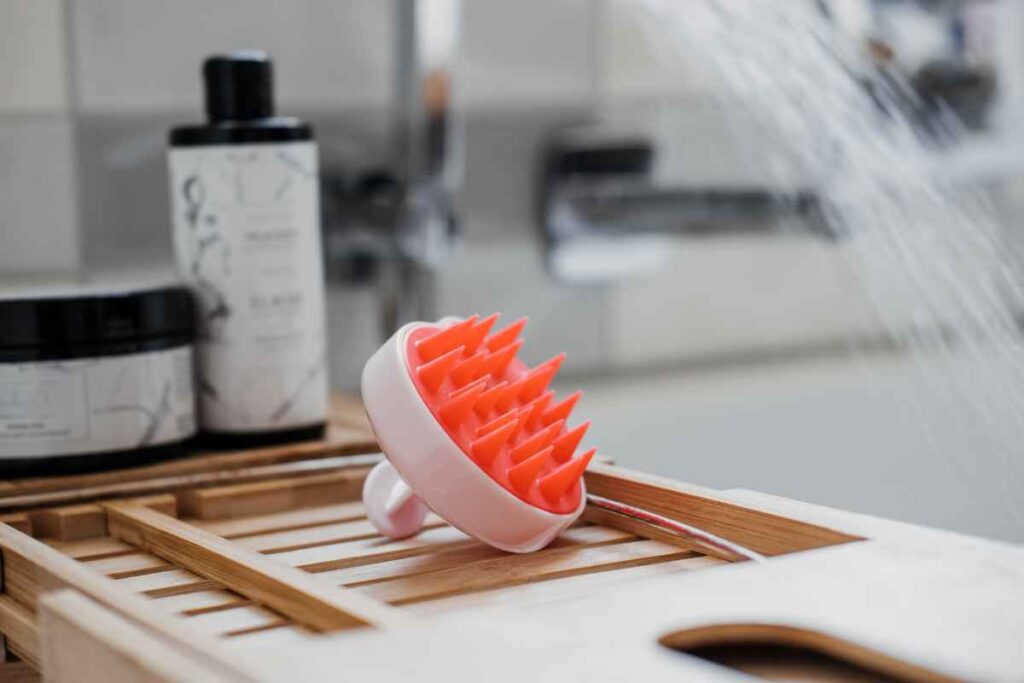
- Common Ingredients/Tools: Sugar or salt scrubs, finely ground nuts, jojoba beads, silicone scalp scrubbers, and soft-bristled brushes.
- Pros:
- Provides an immediate sense of deep cleansing and physical satisfaction.
- The massaging action is excellent for boosting blood circulation to the scalp.
- Can be very effective at breaking up stubborn, visible flakes.
- Cons:
- Carries a higher risk of irritation or micro-tears if scrubbed too aggressively, especially on a sensitive or inflamed scalp.
- Coarse, irregular particles can cause damage.
- Can be messy to use in the shower.
Chemical Exfoliants: The Dissolving Solutions
This method uses acids to chemically break down the “glue” (desmosomes) that holds dead skin cells together, allowing them to be rinsed away effortlessly.
- Common Ingredients:
- Alpha-Hydroxy Acids (AHAs): Like Glycolic and Lactic Acid. They work on the skin’s surface to hydrate and shed dead cells. Excellent for general flakiness and smoothing.
- Beta-Hydroxy Acid (BHA): Salicylic Acid. This is oil-soluble, allowing it to penetrate deep into the pores and follicles to dissolve the mix of sebum and dead skin cells. It is the gold standard for oily, dandruff-prone, or acne-afflicted scalps.
- Polyhydroxy Acids (PHAs): Like Gluconolactone. These are larger molecules that work more gently on the surface, making them ideal for sensitive, reactive, or eczema-prone scalps.
- Pros:
- Offers a more uniform and controlled exfoliation without the risk of physical abrasion.
- BHAs can address issues beneath the surface of the scalp.
- Generally gentler and better suited for sensitive skin types.
- Cons:
- Results are less immediately tactile.
- Requires more consistency to see benefits.
- Can cause initial purging or sensitivity if introduced too quickly.
Finding the Right Rhythm: Frequency and Proper Techniques
Exfoliation is a beneficial stressor, but over-exfoliation can strip the scalp’s natural barrier, leading to irritation and compensatory oil production. Frequency is not one-size-fits-all.
- Oily, Thick, or Dandruff-Prone Scalp: This type can typically tolerate exfoliation 1-2 times per week. Using a BHA-based exfoliant can be particularly effective for managing oil and flakiness.
- Normal or Combination Scalp: A good starting point is once every 7-10 days. This is often enough to prevent buildup without risking over-drying.
- Dry, Sensitive, or Eczema-Prone Scalp: Proceed with caution. Once every 2 weeks, or even just once a month, is sufficient. Always opt for the gentlest options: PHA-based products or a very mild physical scrub used with a light touch.
Proper Application Technique:
- Start on a Dry or Damp Scalp: For pre-shampoo treatments, apply the exfoliant directly to a dry scalp to target oil. For scrubs, a damp scalp can reduce friction.
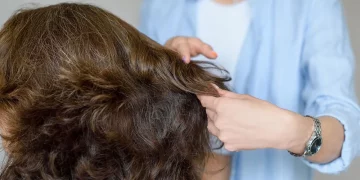
- Section Your Hair: Part your hair into several sections to ensure the product reaches your entire scalp, not just the part line.
- Gentle Massage: Using your fingertips (not nails) or a silicone scrubber, massage the product in small, circular motions with light pressure for 3-5 minutes.
- Let It Sit (Chemical Exfoliants): If using a chemical exfoliant, allow it to sit for 5-10 minutes as directed to let the acids work effectively.
- Rinse and Shampoo: Rinse thoroughly and follow with your regular shampoo and conditioner.
Recognizing the Enemy: Clear Signs of Scalp Buildup
How do you know if you need to exfoliate? Your scalp and hair will send you clear signals.
- Constant Itchiness: A primary sign that debris is irritating your scalp.
- Flakiness: White or gray flakes that are not related to clinical dandruff (which is caused by a yeast and often has larger, oilier flakes).
- Hair Looks and Feels Limp: Buildup weighs down hair strands at the root, causing a lack of volume and a greasy appearance soon after washing.
- Stubborn Product Residue: Your hair feels like it’s never truly clean, no matter how much you shampoo.
- Slow Hair Growth or Increased Shedding: Clogged follicles can impede new hair growth and weaken existing strands.
The Crucial Final Step: Post-Exfoliation Care
Exfoliating without proper aftercare is like tilling soil and then letting it dry out. The goal is to soothe and nourish the newly revealed skin.
- Follow with a Hydrating Shampoo: Avoid harsh, clarifying shampoos immediately after exfoliating. Use a gentle, moisturizing, or balancing shampoo to cleanse without stripping the scalp.
- Nourish with a Conditioner (on your lengths only): Apply a good conditioner or hair mask from the mid-lengths to the ends of your hair. This replenishes moisture without re-clogging the freshly cleansed follicles at your roots.
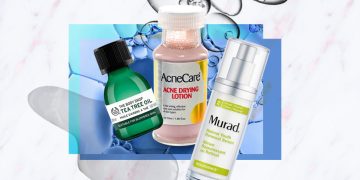
- Consider a Soothing Scalp Serum: After your hair is dry, apply a lightweight, soothing serum containing ingredients like Peppermint Oil, Tea Tree Oil, or Niacinamide. These can calm any potential redness, control oil, and further support a healthy scalp environment.
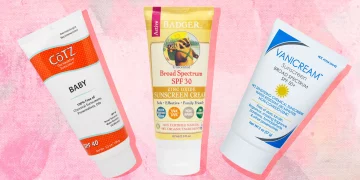
- Sun Protection: Your scalp is skin, and newly exfoliated skin is more vulnerable to UV damage. If you have thinning hair or a exposed part, consider a hair sunscreen spray or wear a hat when in direct sun for extended periods.
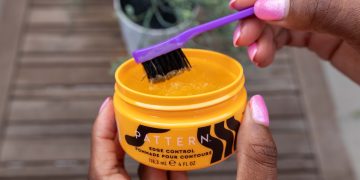
- Avoid Heavy Styling Products: For 24-48 hours post-exfoliation, avoid applying heavy pomades, waxes, or oils directly to your scalp to allow it to breathe and regulate itself.
Conclusion: From Congested to Fertile Ground
Scalp exfoliation is the transformative step that bridges the gap between basic hair washing and truly optimal hair health. By understanding the different types of exfoliants, adopting a safe frequency, recognizing the signs of buildup, and committing to thoughtful aftercare, you can effectively clear the path for stronger, healthier, and more vibrant hair growth. This practice goes beyond mere cleansing; it is an act of nurturing the very root of your hair’s vitality. By making scalp exfoliation a consistent part of your routine, you invest in a foundation that allows your hair to reach its full, beautiful potential.