




























Layering skincare products correctly is key to achieving healthy, radiant skin. Applying products in the wrong order or combining incompatible ingredients can reduce effectiveness or even cause irritation. Understanding the ideal sequence, active ingredient interactions, and how morning and night routines differ allows you to optimize the benefits of your skincare regimen. This guide covers product order, interactions, morning versus night strategies, and tips to minimize irritation, helping you build a routine that truly works for your skin.
Understanding the Importance of Skincare Layering
Layering skincare products is not just about applying multiple products; it’s about strategic sequencing. Correct layering ensures that active ingredients penetrate effectively, hydration is maximized, and protective barriers are maintained. Mislayering can block absorption, dilute active ingredients, or trigger skin sensitivity.
The general principle is to apply products from the thinnest to the thickest texture. Lightweight serums and liquids should go first, followed by creams, oils, and finally occlusive products that lock in moisture.
Product Order: Step-by-Step Guide
A well-structured skincare routine typically follows this order:
- Cleansing
- Removes dirt, oil, and impurities.
- Prepares the skin to absorb active ingredients.
- Double cleansing may be needed in the evening if makeup or sunscreen is used.
- Toner or Essence
- Restores skin pH and provides light hydration.
- Prepares the skin for serums and treatments.
- Targeted Treatments / Actives
- Serums with active ingredients like vitamin C, hyaluronic acid, niacinamide, or peptides are applied next.
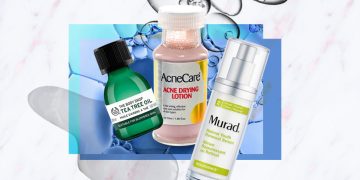
- Spot treatments for acne, hyperpigmentation, or other concerns are applied at this stage.
- Eye Cream
- Gently applied around the delicate eye area to address puffiness, dark circles, or fine lines.
- Lightweight formulas penetrate easily before heavier creams.
- Moisturizer
- Locks in hydration and strengthens the skin barrier.
- For combination or oily skin, choose lightweight, gel-based formulations; for dry skin, opt for richer creams.
- Face Oils (Optional)
- Applied after moisturizer to seal in moisture and provide additional nutrients.
- Can also be layered under moisturizer if a lighter feel is desired.
- Sunscreen (Morning Only)
- Provides essential UV protection.
- Should be the final step in the morning routine to prevent dilution or interference with other products.
Active Ingredient Interactions: What to Know
Understanding which ingredients work well together and which should be separated is crucial for effectiveness and safety:
- Vitamin C
- Works best in the morning, paired with sunscreen for maximum antioxidant protection.
- Avoid combining with niacinamide in high concentrations; use at different times or in separate routines.
- Retinoids / Retinol
- Best used at night due to light sensitivity.
- Avoid layering with strong acids (AHA/BHA) to prevent irritation.
- AHAs and BHAs
- Alpha-hydroxy acids (like glycolic acid) and beta-hydroxy acids (like salicylic acid) exfoliate the skin.
- Can increase sensitivity, so avoid using with retinoids or strong vitamin C in the same routine.
- Niacinamide
- Compatible with most ingredients and helps reduce irritation from actives.
- Can be layered under or over serums to strengthen the skin barrier.
- Hyaluronic Acid
- A hydrating serum that can layer under most products.
- Should be applied to damp skin for better absorption.
- Peptides
- Generally safe to layer under moisturizers or serums.
- Do not combine with high-strength acids that may compromise stability.

Morning vs. Night Routine
Skincare layering strategies differ depending on the time of day because the skin’s needs change:
Morning Routine:
- Focus on hydration, protection, and antioxidants.
- Typical steps: Cleanser → Toner/Essence → Antioxidant serum (e.g., vitamin C) → Eye cream → Moisturizer → Sunscreen → Optional face oil.
- The goal is to prepare the skin for environmental stressors like UV rays and pollution.
Night Routine:
- Focus on repair, exfoliation, and deep hydration.
- Typical steps: Cleanser → Toner/Essence → Targeted treatments (retinol, AHA/BHA, peptides) → Eye cream → Moisturizer → Optional face oil.
- Nighttime allows actives to work without interference from sunlight.
Tips to Avoid Irritation While Layering
Even with the correct order, improper layering can cause irritation. Here are strategies to minimize risk:
- Introduce Actives Gradually
- Start with lower concentrations of retinoids or acids and increase slowly.
- Alternate nights if your skin is sensitive.
- Patch Test New Products
- Apply a small amount on the inner arm or behind the ear before using on the face.
- Wait 24–48 hours to monitor for reactions.
- Avoid Overlapping Strong Actives
- Do not use multiple potent actives in the same routine unless guided by a dermatologist.
- Layering incompatible ingredients increases the risk of redness, peeling, or burning.
- Wait Between Layers
- Allow serums and treatments to absorb before applying heavier creams or oils.
- Waiting 1–2 minutes ensures proper penetration and reduces interference between products.
- Use Gentle Massaging Motions
- Pat or press products into the skin instead of rubbing.
- Reduces mechanical irritation and improves absorption.
- Adjust for Skin Type and Season
- Hydration needs change with weather; lighter layers may be better in humid months and richer creams in winter.
Additional Tips for Effective Skincare Layering
- Observe Skin Response: Monitor how your skin reacts to different combinations and adjust accordingly.
- Use Multi-functional Products: Serums or moisturizers with combined benefits (hydration + antioxidants) can simplify layering.
- Simplify if Needed: A minimalist routine is sometimes more effective, especially for sensitive skin.
- Consistency is Key: Daily adherence enhances results more than complex routines applied sporadically.
- Keep Tools Clean: Clean hands, applicators, and brushes prevent bacterial transfer and irritation.
Final Thoughts
Proper layering of skincare products maximizes the effectiveness of each product while protecting the skin from irritation. By following the correct order, understanding ingredient interactions, tailoring morning and night routines, and introducing actives carefully, you can achieve healthy, radiant skin. Mastering these strategies allows for efficient use of skincare products, ensures balanced hydration, and strengthens the skin barrier over time. With thoughtful layering, your routine becomes a powerful tool for maintaining long-term skin health and enhancing the benefits of your favorite products.