





















In the quest for plump, dewy, and resilient skin, hydrating serums have become a non-negotiable step in modern skincare routines. Unlike heavy moisturizers that sit on top of the skin, these potent, water-based elixirs are designed to deliver a high concentration of active ingredients deep into the layers where they are most needed. However, with shelves overflowing with options boasting various viscosities and hero ingredients, choosing the right one can feel overwhelming. The secret to success lies not in picking the most popular bottle, but in understanding the science of hydration, specifically the role of humectants, and how to integrate them seamlessly into your existing regimen. This comprehensive guide will demystify humectants, provide a clear roadmap for layering serums with other products, outline optimal usage frequency, and highlight the common mistakes that could be undermining your quest for perfectly hydrated skin.
The Science of Thirst: Understanding Humectants and Their Mechanisms
At the heart of every hydrating serum are humectants, a class of ingredients that act like molecular magnets for water. Their primary function is to attract and bind water molecules from the deeper layers of the skin (the dermis) and, when humidity is high, from the environment, drawing this moisture into the outer layer (the epidermis).
The most common and effective humectants include:
- Hyaluronic Acid (HA): The undisputed superstar. A single HA molecule can hold up to 1,000 times its weight in water. It’s crucial to understand that HA comes in different molecular weights. Low-molecular-weight HA can penetrate deeper into the skin for long-term hydration, while high-molecular-weight HA forms a breathable film on the surface, providing immediate plumping and preventing moisture loss. The best serums contain a combination of weights for multi-level hydration.
- Glycerin: A classic, reliable, and gentle humectant found in countless formulations. It is highly effective at stabilizing the skin’s moisture balance and is well-tolerated by even the most sensitive skin types.
- Beta-Glucan: Derived from oats, this powerful humectant is not only exceptional at holding water but also possesses strong anti-inflammatory and soothing properties, making it ideal for sensitive, red, or rosacea-prone skin.
- Sodium PCA: A natural component of the skin’s “Natural Moisturizing Factor” (NMF), it is a highly efficient humectant that helps reinforce the skin’s own ability to stay hydrated.
The Art of the Sequence: Mastering Product Layering
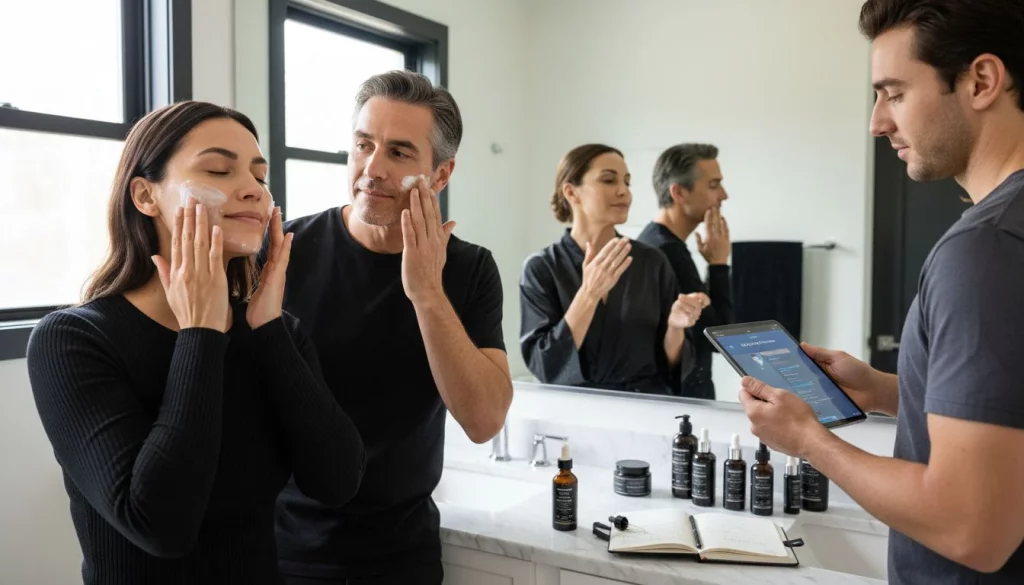
A hydrating serum is a team player, and its efficacy depends entirely on its position in your routine. The golden rule is: Apply products from thinnest/water-based to thickest/oil-based.
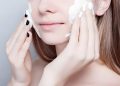
- Step 1: Cleanse. Start with a clean canvas to ensure maximum absorption.
- Step 2: Tone. A hydrating toner or essence can prep the skin and provide an initial layer of moisture.
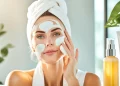
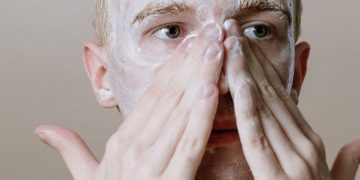
- Step 3: Hydrating Serum (The Main Event). Apply a few drops of your serum to damp skin. The residual water on your face gives the humectants an immediate source to pull from, supercharging their effect. Gently press the serum into your skin using your palms; avoid rubbing, which can cause pilling.
- Step 4: Treatment Serums. If you use other targeted treatments (e.g., vitamin C for brightness, niacinamide for pores, or retinoids for anti-aging), apply them after your hydrating serum. Water-based hydrators will not block the penetration of these actives.
- Step 5: Moisturizer (The Seal). This is the most critical partner for your hydrating serum. A humectant draws in water, but without a subsequent layer to seal it in, that water can evaporate into the dry air, potentially leaving your skin drier than when you started—a phenomenon known as transepidermal water loss (TEWL). Your moisturizer, with its emollients and occlusives (like ceramides, squalane, or shea butter), acts as a protective barrier, locking the hydration from the serum into your skin.
Finding the Sweet Spot: Optimal Usage Frequency
Hydrating serums are among the gentlest and most universally tolerated skincare products.
- For All Skin Types: They can and should be used both morning and night. In the AM, they provide a hydrated base for makeup. In the PM, they support the skin’s natural repair processes.
- Sensitive Skin: Even the most reactive skin can typically tolerate daily use of a well-formulated serum with simple ingredients like glycerin or beta-glucan. Always patch test first.
- In Dry or Humid Climates: In dry environments, the sealing step with a moisturizer is non-negotiable. In humid climates, a hydrating serum with a light moisturizer may be all you need to feel comfortable.
Avoiding the Pitfalls: Common Hydrating Serum Mistakes
Even with the best product, mistakes in application and understanding can hinder your results.
- Applying to Dry Skin: This is the #1 mistake. Applying a humectant-rich serum to a bone-dry face gives it very little water to pull from. For best results, apply to skin that is still slightly damp from your toner or even plain water.
- Skipping the Moisturizer: As explained, using a hydrating serum without a moisturizer is like filling a bathtub without putting in the plug. The water (hydration) will eventually drain away.
- Using the Wrong Serum for the Environment: In very dry climates, relying solely on Hyaluronic Acid without a rich moisturizer can sometimes backfire. In these conditions, serums with humectants like Glycerin or Sodium PCA, which are less dependent on environmental humidity, can be more reliable.
- Overloading and Pilling: Using too many layers or applying too much serum can lead to pilling (the formation of little rolls of product on the skin). Use a pea-sized amount for the entire face and ensure each layer is fully absorbed before applying the next.
- Ignoring the Rest of Your Routine: No serum can compensate for a damaged skin barrier or chronic dehydration caused by harsh cleansers or over-exfoliation. Ensure the rest of your routine is gentle and supportive.
Conclusion: The Path to Intelligent Hydration
A hydrating serum is not a mere luxury; it is a precision tool for managing your skin’s most fundamental need: water. By choosing a formula with the right humectants for your environment and skin type, applying it to damp skin, meticulously sealing it in with a moisturizer, and using it consistently, you can transform your skin’s texture and resilience. This strategic approach moves beyond superficial dampness to cultivate deep, lasting hydration that fortifies your skin barrier, smooths fine lines, and imparts that coveted, healthy glow from within. It is the cornerstone of a intelligent, effective skincare philosophy.