




























Hyperpigmentation is a common skin concern that affects individuals of all ages and skin types. It manifests as dark spots, uneven skin tone, or patches on the face, hands, or body. While often harmless, hyperpigmentation can impact confidence and may signal underlying skin issues. Understanding the causes and triggers, exploring topical and professional treatment options, and implementing effective prevention strategies are key to managing this condition. This comprehensive guide delves into the science of hyperpigmentation, treatment methods, and preventative practices for healthier, more even-toned skin.
Causes and Triggers of Hyperpigmentation
Hyperpigmentation occurs when melanin—the pigment responsible for skin color—is produced in excess or distributed unevenly. Several factors can trigger or exacerbate this condition:
- Sun Exposure
- Ultraviolet (UV) rays stimulate melanocytes, leading to increased melanin production.
- Sun-induced pigmentation often presents as freckles, sun spots, or solar lentigines.
- Even short periods of unprotected exposure can worsen existing dark spots.
- Hormonal Changes
- Fluctuations in estrogen and progesterone can lead to melasma, commonly known as “the mask of pregnancy.”
- Hormonal contraceptives or hormone replacement therapy may also trigger pigment changes.
- Post-Inflammatory Hyperpigmentation (PIH)
- Occurs after skin injury or inflammation, such as acne, eczema, or cuts.
- The affected area darkens as melanocytes overcompensate during the healing process.
- Genetic Predisposition
- People with darker skin tones are more prone to hyperpigmentation due to higher baseline melanin levels.
- Certain genetic conditions, such as freckles or lentigines, can predispose individuals to pigment changes.
- Medications and Chemicals
- Some medications, like antibiotics or chemotherapy agents, can trigger pigmentation changes.
- Harsh chemical exposure or certain cosmetic procedures may worsen hyperpigmentation.
- Lifestyle and Environmental Factors
- Smoking, pollution, and oxidative stress contribute to skin damage and uneven pigmentation.
- Repeated friction or trauma to the skin can induce localized dark spots.
Topical Treatments for Hyperpigmentation
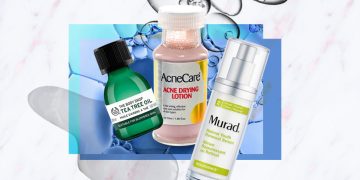
Topical treatments are often the first line of defense for hyperpigmentation. They work by inhibiting melanin production, promoting skin turnover, or lightening existing pigment.
- Hydroquinone
- Considered a gold-standard depigmenting agent.
- Works by inhibiting tyrosinase, an enzyme critical for melanin synthesis.
- Often used in concentrations of 2–4% for home use and higher strengths under professional supervision.
- Retinoids
- Retinol and prescription retinoids increase cell turnover, helping to fade dark spots over time.
- They also enhance penetration of other brightening agents.
- Vitamin C (Ascorbic Acid)
- An antioxidant that inhibits melanin formation and brightens skin tone.
- Protects against free radical damage, which can worsen pigmentation.
- Niacinamide
- Reduces transfer of melanin to skin cells, helping to lighten hyperpigmented areas.
- Well-tolerated and suitable for sensitive skin types.
- Alpha Hydroxy Acids (AHAs) and Beta Hydroxy Acids (BHAs)
- Promote exfoliation of pigmented skin cells, enhancing the effect of other treatments.
- Glycolic acid, lactic acid, and salicylic acid are commonly used in serums or peels.
- Azelaic Acid
- Inhibits tyrosinase and has anti-inflammatory properties.
- Particularly effective for acne-related PIH.
Laser and Chemical Options
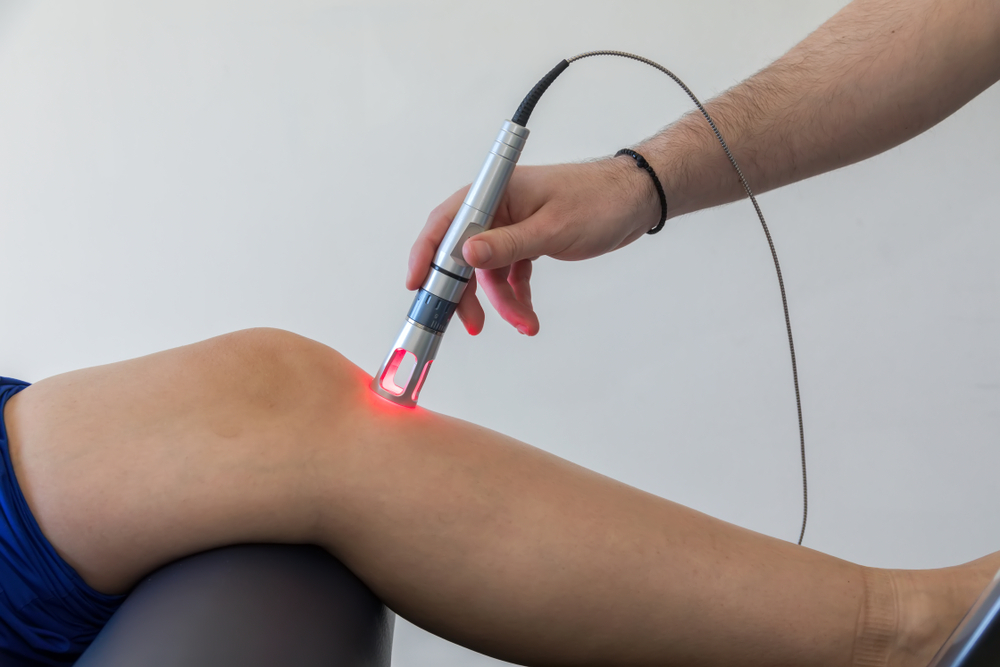
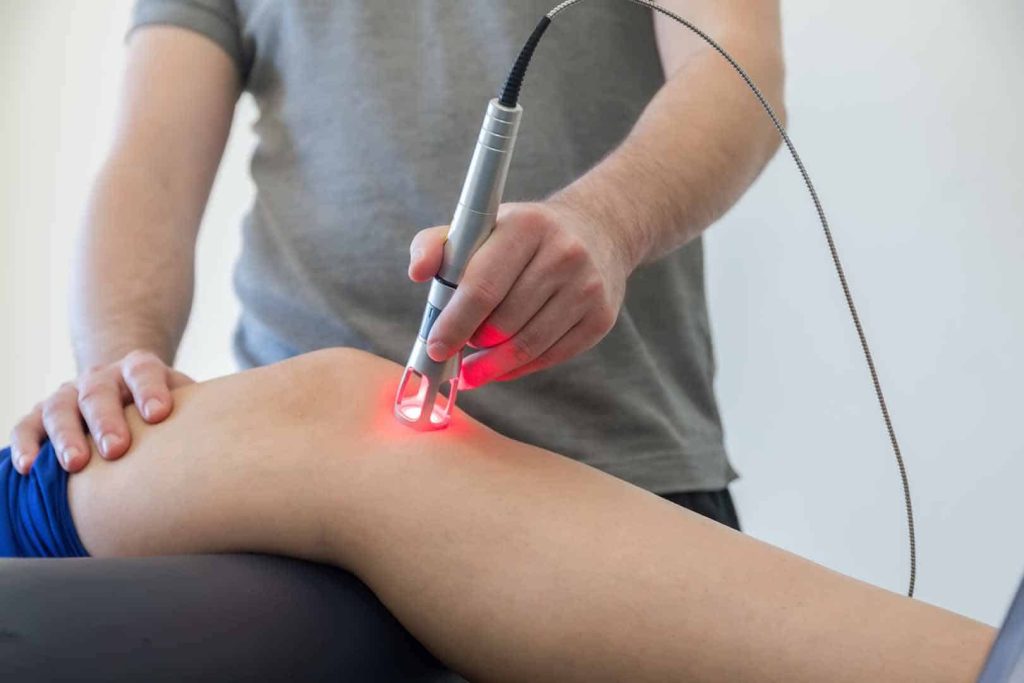
For stubborn or widespread hyperpigmentation, professional interventions may be required.
- Laser Treatments
- Fractional lasers target pigmented areas while promoting collagen remodeling.
- Q-switched lasers break down melanin particles, reducing dark spots.
- Multiple sessions may be necessary, and risks include temporary redness or PIH, especially in darker skin tones.
- Chemical Peels
- Medium or superficial peels with glycolic, salicylic, or lactic acids promote exfoliation and pigment reduction.
- Professional guidance ensures proper concentration and minimizes irritation.
- Microneedling with Serums
- Enhances penetration of depigmenting agents like vitamin C or tranexamic acid.
- Improves skin texture and reduces pigmentation over multiple sessions.
- Combination Therapies
- Combining topical treatments with lasers or chemical peels can accelerate results.
- Often tailored to individual skin types and pigmentation severity.
Prevention Strategies
Preventing hyperpigmentation is as important as treating it. Protective habits minimize risk and maintain even skin tone:
- Daily Sun Protection
- Broad-spectrum SPF 30 or higher shields against UVA and UVB rays.
- Reapply every two hours when outdoors, and use physical blockers for sensitive skin.
- Avoiding Excessive Skin Trauma
- Treat acne and other inflammatory conditions gently to reduce the risk of PIH.
- Avoid aggressive scrubbing or picking at the skin.
- Antioxidant Support
- Topical vitamin C or other antioxidants combat oxidative stress that triggers melanin overproduction.
- Dietary antioxidants from fruits and vegetables further protect skin.
- Lifestyle Choices
- Manage stress, avoid smoking, and reduce exposure to pollution.
- Maintain a healthy diet and hydration to support skin repair.
- Professional Guidance
- Consult dermatologists for personalized treatment plans, especially for melasma or extensive pigmentation.
- Early intervention often prevents hyperpigmentation from becoming more pronounced.
Setting Realistic Expectations
- Topical treatments typically require consistent use over several weeks to months to show results.
- Laser and chemical interventions may provide faster results but can involve recovery time and multiple sessions.
- Complete eradication of hyperpigmentation may not be possible, but significant improvement is achievable with patience and adherence.
Final Thoughts
Hyperpigmentation is a multifaceted skin concern influenced by sun exposure, hormones, genetics, inflammation, and lifestyle factors. A comprehensive approach—including understanding triggers, using targeted topical treatments, considering professional interventions when necessary, and implementing preventative measures—offers the best outcomes. By combining consistency, protection, and informed treatment choices, you can effectively manage hyperpigmentation and achieve a more even, radiant complexion.