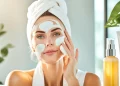


























The ritual of applying a facial mask is a cornerstone of self-care, promising a concentrated burst of benefits, from deep hydration to clarifying purification. Yet, a fundamental choice lies at the heart of this ritual: the allure of a fresh, homemade DIY mask whipped up in your kitchen, or the sophisticated, lab-formulated promise of a store-bought product. This debate is often framed as “natural versus chemical,” but the reality is far more nuanced, touching on ingredient efficacy, safety, and the very purpose of the treatment. While a DIY avocado and honey mask feels wholesome and immediate, a store-bought hyaluronic acid sheet mask boasts clinical studies and precise delivery systems. This guide will dissect the core differences in ingredients and mechanisms, outline proper application techniques for both, provide frequency guidelines, and deliver a crucial analysis of safety to help you make an informed choice for your skin’s health.
The Core of the Matter: A Breakdown of Ingredients and Mechanisms
The fundamental difference lies in the nature and delivery of the active ingredients.
DIY Masks: The Kitchen Pantry Approach
- Common Ingredients: Honey, yogurt, oatmeal, avocado, banana, turmeric, lemon juice, egg whites, coffee grounds.
- Mechanism of Action: DIY masks primarily work on the surface level of the skin.
- Humectants: Raw honey is an excellent natural humectant, drawing moisture to the skin’s surface.
- Emollients: Avocado and oils (like olive or coconut) can provide a temporary softening and occlusive effect, smoothing the top layer of skin.
- Anti-Inflammatories: Oatmeal and turmeric have proven soothing properties that can calm minor redness and irritation.
- The Limitations:
- Molecular Size: The beneficial compounds in foods like avocado or banana have large molecules that cannot penetrate the skin’s protective barrier (the stratum corneum). They sit on top, providing a temporary, superficial effect.
- Unstable Actives: Vitamin C in lemon juice is highly unstable and degrades quickly when exposed to air. Its acidic pH is also far too low for most skin types, leading to irritation and photosensitivity.
- Lack of Precision: There is no control over the concentration of active ingredients, leading to inconsistent results.
Store-Bought Masks: The Laboratory-Precision Approach
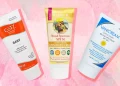
- Common Ingredients: Hyaluronic Acid, Niacinamide, Salicylic Acid, Charcoal, Clay (Kaolin, Bentonite), Peptides, Ceramides.
- Mechanism of Action: These masks are scientifically engineered to deliver bio-available ingredients that can effectively target specific skin concerns.
- Penetration Enhancement: Formulations include penetration enhancers and are pH-balanced to ensure active ingredients can work in the deeper layers of the epidermis.
- Stable and Potent: Lab-synthesized Vitamin C (L-Ascorbic Acid) is stabilized and delivered at an effective concentration and pH to brighten skin and boost collagen.
- Targeted Solutions: Ingredients like Salicylic Acid (BHA) are oil-soluble, allowing them to exfoliate deep inside pores, while Hyaluronic Acid can hold 1000 times its weight in water for profound, multi-level hydration.
- The Limitations: The primary drawback is cost and the potential for preservatives or other ingredients that can cause sensitivity in some individuals.
Application Techniques: Maximizing the Benefits of Each Type
Proper application is key to efficacy and safety.
For DIY Masks:
- Patch Test is Crucial: Always apply a small amount to your inner arm and wait 24 hours to check for an allergic reaction, especially when using ingredients like citrus or spices.
- Prepare a Fresh Batch: Make only enough for a single use to avoid bacterial growth.
- Apply to Clean, Damp Skin: This helps the mask adhere better.
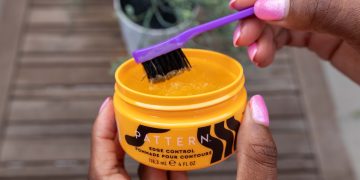
- Use a Brush: For hygiene and even application, use a clean cosmetic brush instead of your fingers.
- Timing is Everything: Do not leave DIY masks on for too long, as they can dry out and begin to draw moisture from the skin. 10-15 minutes is typically sufficient.

For Store-Bought Masks:
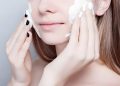
- Cleanse and Exfoliate: For the best absorption, start with a clean canvas. Gentle exfoliation beforehand can enhance the mask’s penetration.
- Follow Instructions: Adhere to the recommended time on the package. Leaving a clay mask on for too long can over-dry the skin, while a sheet mask left on too long can begin to re-absorb moisture from your skin.
- Sheet Mask Technique: After removing the sheet mask, do not rinse your face. Instead, pat the remaining serum into your skin until fully absorbed. This serum is the most potent part of the product.
- Seal it In: After using a hydrating mask, follow with your regular moisturizer to lock in the benefits.
Finding the Right Rhythm: Frequency of Use
The ideal frequency depends on the mask’s function and your skin type.
- Hydrating & Soothing Masks (Sheet Masks, Cream Masks): Can often be used 2-3 times per week, or even daily for a short “booster” period.
- Exfoliating & Purifying Masks (Clay, AHA/BHA Masks): Should be limited to 1-2 times per week to avoid compromising the skin barrier.
- DIY Masks: Given their superficial nature, they can be used 1-2 times per week for a pampering treat, but they should not replace targeted treatments.
The Safety Spectrum: Weighing the Risks and Rewards
This is the most critical part of the debate.
DIY Mask Risks:
- Bacterial Contamination: Fresh food products can harbor bacteria (like salmonella from eggs) that can cause infections, especially if you have any micro-abrasions on your skin.
- Skin Irritation and Allergies: Natural does not mean non-allergenic. Ingredients like cinnamon, citrus juice, and undiluted essential oils are common causes of contact dermatitis, burns, and hyperpigmentation.
- Comedogenicity: Kitchen oils like coconut oil are highly comedogenic for many people, potentially clogging pores and causing breakouts.
Store-Bought Mask Risks:
- Preservatives: Necessary to prevent microbial growth, but some individuals may be sensitive to certain preservative systems like parabens.
- Fragrance: Added synthetic or natural fragrance is a leading cause of skin sensitivity and allergic reactions.
- “Greenwashing”: Some brands market themselves as “natural” but still use potentially irritating ingredients. It’s important to read the full ingredient list.
Conclusion: A Place for Both in a Modern Routine
The choice between DIY and store-bought isn’t about declaring one universally superior. It’s about understanding their distinct roles.
- Store-Bought Masks are for Treatment. They are the reliable, scientifically-backed solution for addressing specific concerns like acne, deep dehydration, hyperpigmentation, and aging. They deliver measurable, consistent results.
- DIY Masks are for Therapy. They offer a wonderful, sensory experience for temporary soothing, superficial softening, and the simple joy of a natural ritual. They are a form of self-care, not a clinical treatment.
For a truly holistic approach, you can incorporate both: use a store-bought hydrating mask twice a week to maintain optimal moisture levels, and enjoy a calming DIY oatmeal and honey mask on a Sunday evening for its gentle, soothing comfort. By understanding the science, safety, and purpose behind each, you can curate a masking routine that is both effective for your skin and nourishing for your soul.