















Acne is one of the most common skin concerns, affecting teenagers and adults alike. From stubborn pimples and blackheads to inflamed cysts, acne can impact confidence and leave long-lasting marks if not treated effectively. Understanding the science behind acne-fighting ingredients, proper application timing, how to combine products, and strategies to avoid irritation is crucial for achieving clearer, healthier skin. This guide explores evidence-based ingredients, practical usage tips, and ways to integrate them into a safe and effective skincare routine.
Understanding Acne and Its Causes
Acne forms when hair follicles become clogged with sebum, dead skin cells, and bacteria. Several factors contribute to acne development:
- Excess Sebum Production
- Overactive sebaceous glands produce excess oil, which can trap debris in pores.
- Clogged Pores
- Dead skin cells that aren’t properly exfoliated can combine with sebum to form comedones (blackheads and whiteheads).
- Bacterial Growth
- Cutibacterium acnes (C. acnes) thrives in blocked follicles, leading to inflammation and pimples.
- Inflammation
- Acne-prone skin often exhibits redness and swelling due to immune response to bacterial proliferation.
- Hormonal Fluctuations
- Androgens can increase sebum production, making acne worse during puberty, menstrual cycles, or stress periods.
Effective acne treatment targets these underlying causes by unclogging pores, reducing bacteria, controlling oil, and calming inflammation.
Key Acne-Fighting Ingredients
Certain ingredients are scientifically proven to combat acne. Here are the most effective ones:
- Salicylic Acid
- Type: Beta Hydroxy Acid (BHA)
- Function: Penetrates pores, exfoliates dead skin cells, and helps unclog follicles.
- Best For: Blackheads, whiteheads, and mild acne.
- Usage Tips:
- Apply after cleansing, either as a serum, toner, or spot treatment.
- Can be used daily, but start slowly if you have sensitive skin.
- Avoid combining with other strong exfoliants initially to reduce irritation.
- Benzoyl Peroxide
- Function: Kills C. acnes bacteria and reduces inflammation.
- Best For: Inflamed pimples, cystic acne, and pustules.
- Usage Tips:
- Use in low concentrations (2.5–5%) to minimize dryness and irritation.
- Apply to affected areas once daily, increasing frequency as tolerated.
- Start with a thin layer and gradually increase if needed.
- Avoid contact with fabrics as it can bleach clothes and towels.
- Niacinamide
- Function: Reduces inflammation, regulates sebum production, and strengthens the skin barrier.
- Best For: Redness, post-acne marks, and oily skin.
- Usage Tips:
- Compatible with most actives, including salicylic acid and benzoyl peroxide.
- Can be applied morning and night after cleansing and before moisturizer.
- Use 5–10% formulations for optimal results without irritation.
- Optional Supporting Ingredients
- Azelaic Acid: Reduces bacterial growth and pigmentation from post-inflammatory hyperpigmentation.
- Retinoids (Retinol, Adapalene): Increase cell turnover, prevent clogged pores, and improve skin texture.
- Sulfur: Absorbs excess oil and reduces inflammation, often in spot treatments.
Application Timing and Routine Integration
The effectiveness of acne-fighting ingredients depends not only on the product but also on how and when it’s applied.
- Cleansing First
- Use a gentle, non-stripping cleanser to remove excess oil, dirt, and makeup.
- Avoid harsh scrubs or foaming cleansers that can irritate skin.
- Active Treatments
- Apply salicylic acid or benzoyl peroxide to clean, dry skin.
- For layered products, thinner formulations should go on first.
- Niacinamide can be applied after acne actives to calm inflammation and hydrate.
- Moisturizer and Barrier Support
- Even acne-prone skin needs hydration to prevent overproduction of sebum.
- Use non-comedogenic moisturizers containing ceramides, squalane, or glycerin.
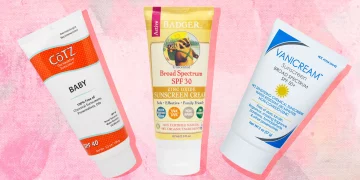
- Sun Protection
- Some actives, especially retinoids and AHAs/BHAs, increase sun sensitivity.
- Apply broad-spectrum SPF 30 or higher every morning.
- Nighttime Focus
- Night routines are ideal for stronger actives like benzoyl peroxide or retinoids.
- Salicylic acid toners or spot treatments can also be used at night for optimal absorption.
Combining Products Safely
Proper combination of acne treatments maximizes efficacy while minimizing irritation:
- Compatible Combinations
- Niacinamide + Benzoyl Peroxide: Reduces inflammation and calms potential irritation.
- Salicylic Acid + Retinoids: Exfoliation supports cell turnover, but start slowly to avoid over-exfoliation.
- Azelaic Acid + Niacinamide: Improves pigmentation and reduces redness without excessive dryness.
- Avoid Conflicting Layering
- High-strength AHAs/BHAs with benzoyl peroxide can cause excessive dryness and irritation if applied together.
- Avoid layering multiple potent acids in a single session initially; alternate days if needed.
- Patch Testing
- Test new combinations on a small area before applying all over to gauge skin tolerance.
Avoiding Irritation
Acne treatments are powerful, but they can irritate if not used thoughtfully:
- Start Slowly
- Introduce one active ingredient at a time to monitor skin response.
- Begin with lower concentrations and increase gradually.
- Moisturize and Protect
- Dryness or peeling can worsen acne and compromise the skin barrier.
- Use soothing, non-comedogenic moisturizers and avoid harsh physical exfoliation.
- Avoid Overuse
- More product does not equal faster results; over-application can worsen irritation.
- Stick to recommended frequencies and observe how skin reacts.
- Sun Protection
- Sunscreen prevents post-inflammatory hyperpigmentation and protects skin from UV-induced damage.
- Gentle Cleansing and Makeup Removal
- Avoid aggressive scrubbing; use soft cloths and gentle cleansers.
- Thoroughly remove makeup to prevent clogged pores and bacterial buildup.
Setting Realistic Expectations
- Improvement in mild acne may be noticeable within 4–6 weeks of consistent treatment.
- Moderate to severe acne often requires longer-term management and may need prescription-strength interventions.
- Post-inflammatory marks and pigmentation may persist after breakouts but can be treated with niacinamide, retinoids, or chemical exfoliants.
- Patience, consistency, and adherence to routines are essential for long-term acne control.
Final Thoughts
Acne-fighting skincare requires a careful balance of potent ingredients, correct application timing, and protective habits. Salicylic acid, benzoyl peroxide, and niacinamide are scientifically proven to target the root causes of acne, reduce inflammation, and improve overall skin texture. By combining these ingredients thoughtfully, avoiding overuse, and supporting the skin barrier with hydration and sun protection, you can achieve clearer, healthier, and more resilient skin. Consistency, patience, and a well-structured routine are key to managing acne effectively and minimizing future breakouts.