






















Rhinoplasty, commonly known as a “nose job,” is a cosmetic surgical procedure that reshapes the nose for either aesthetic or functional reasons. Whether you’re unhappy with the size or shape of your nose, have difficulty breathing through your nostrils, or have sustained a facial injury that affected your nose, rhinoplasty can help address these concerns. But is it the right choice for you? In this guide, we will explore everything you need to know about rhinoplasty, including what to expect from the procedure, potential risks, recovery time, and how to determine if you’re a suitable candidate for this surgery.
1. What Is Rhinoplasty?
Rhinoplasty is a surgical procedure designed to reshape the nose. It can be performed for cosmetic reasons to alter the appearance of the nose or for functional reasons to correct breathing difficulties caused by structural issues in the nasal passages.
The procedure involves modifying the bone, cartilage, or both to change the size, shape, or angle of the nose. Some common reasons people opt for rhinoplasty include:
- Wanting a more balanced facial appearance by changing the nose’s size or shape
- Correcting birth defects or damage caused by accidents
- Improving breathing by addressing structural issues like a deviated septum or enlarged turbinates
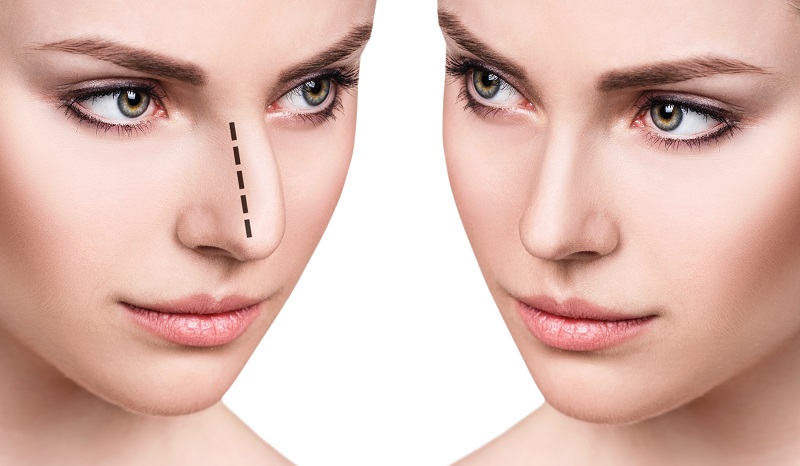
Rhinoplasty is highly customizable and can address a variety of issues, from reducing a bump on the bridge of the nose to refining the tip or narrowing the nostrils.
2. What to Expect Before the Procedure
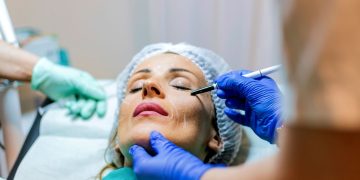
Before deciding to undergo rhinoplasty, it’s important to have a thorough consultation with a qualified and experienced surgeon. During this consultation, you will discuss your concerns and goals, and the surgeon will assess the structure of your nose and face.
Pre-Surgery Assessment
The surgeon will likely:
- Review your medical history: It’s essential to disclose any allergies, pre-existing medical conditions, or previous surgeries.
- Physical exam: The surgeon will evaluate the shape of your nose, your facial anatomy, and whether any internal issues need to be addressed.
- Photos: The surgeon may take photographs of your nose from different angles to plan the procedure and create a simulation of the potential outcome.
- Discuss your goals: Whether you’re looking to correct a cosmetic concern or a functional issue, clear communication about your expectations will ensure the surgeon can design a surgery plan tailored to your needs.
Additionally, your surgeon will explain the risks, potential complications, and the recovery process. You’ll need to refrain from smoking, drinking alcohol, or taking certain medications before the procedure, as they can increase the risk of complications during surgery.
3. The Procedure: How Is Rhinoplasty Performed?
Rhinoplasty is typically performed under general anesthesia or local anesthesia with sedation, depending on the complexity of the procedure and patient preference.
Types of Rhinoplasty
There are two main types of rhinoplasty:
- Closed Rhinoplasty: In this technique, all incisions are made inside the nostrils, meaning there are no visible scars. This method is typically used for smaller adjustments or reshaping the tip of the nose.
- Open Rhinoplasty: This technique involves making a small incision across the columella (the tissue separating the nostrils) in addition to the internal incisions. This method allows the surgeon better access to the nasal structure and is commonly used for more complex cases, such as altering the nasal bridge or refining the tip.
The Procedure Steps
- Incisions: The surgeon will make small, carefully placed incisions to access the underlying structures of the nose.
- Reshaping: The bone and cartilage may be removed, reshaped, or repositioned to achieve the desired appearance. In some cases, cartilage may be taken from another part of the body (like the ear or rib) and grafted into the nose for structural support.
- Nasal passage correction: If necessary, the surgeon will address any functional issues, such as a deviated septum, that impact breathing.
- Closing incisions: Once the desired changes have been made, the incisions are closed, and the nose is carefully dressed to maintain its new shape.
The entire procedure typically takes between 1.5 to 3 hours, depending on the complexity of the surgery.
4. Recovery and Aftercare: What to Expect
Rhinoplasty is an invasive surgery, and while the recovery process varies from patient to patient, there are common experiences that most people can expect.
Immediate Post-Surgery
- Swelling and bruising: After surgery, you will likely experience swelling and bruising around the nose and eyes. This can last for several days to a week, with the most noticeable swelling occurring within the first few days.
- Nasal packing or splints: Your surgeon may place splints inside your nostrils to support the nasal structure and packing or an external splint on the nose to protect it. These will typically be removed after a week.
- Discomfort: Some level of discomfort is normal during recovery, including a stuffy nose, mild pain, and a sensation of pressure in the nasal area. Pain medication and cold compresses can help manage these symptoms.
Long-Term Recovery
- Initial recovery: Most people can return to work or school within a week after the procedure, though strenuous physical activity should be avoided for a few weeks.
- Swelling reduction: Significant swelling usually subsides within 2 to 3 weeks, but residual swelling may persist for several months.
- Final results: While you may notice improvements right away, the final shape of your nose may take up to a year to fully manifest. This is because the skin and tissues need time to settle into their new shape.
5. Risks and Complications of Rhinoplasty
As with any surgical procedure, rhinoplasty carries potential risks and complications. While many patients have successful results, it’s important to be aware of possible issues:
- Infection: Infection is a risk in any surgery but can typically be managed with antibiotics.
- Bleeding: Some bleeding may occur post-surgery, especially during the first few days.
- Scarring: Though the incisions made during rhinoplasty are typically small, scarring is possible. In the case of open rhinoplasty, there may be a small scar on the columella, but this is generally well-hidden.
- Nasal asymmetry: In some cases, the final results may not be perfectly symmetrical, and a revision surgery may be necessary.
- Breathing issues: Occasionally, patients may experience temporary or permanent breathing difficulties if the nasal passages are affected by surgery. This is particularly true if there are complications with the septum or airways.
- Unmet expectations: Rhinoplasty is a highly personalized surgery, and while the goal is to create a natural and balanced result, some patients may not achieve exactly what they envisioned.
6. Who Are Ideal Candidates for Rhinoplasty?
Rhinoplasty can be performed on most healthy adults, but there are certain characteristics that make someone an ideal candidate for the procedure:
- Physical health: You should be in good overall health, with no serious medical conditions that may interfere with healing, such as heart disease or uncontrolled diabetes.
- Stable facial growth: For individuals under 18, it is recommended that their facial structure has fully developed before undergoing rhinoplasty to avoid complications.
- Clear motivations: Ideal candidates for rhinoplasty should have realistic expectations and clear reasons for seeking the surgery. It is important that the decision to undergo rhinoplasty is made for personal reasons, rather than pressure from external sources.
- Breathing issues or deformities: People who experience breathing problems due to a deviated septum or other nasal obstructions may benefit from rhinoplasty, as the procedure can improve airflow and functionality in addition to aesthetics.
7. Is Rhinoplasty Right for You?
Rhinoplasty can offer transformative results, but it is important to weigh the pros and cons before making your decision. If you’re considering rhinoplasty for cosmetic reasons, take time to reflect on your goals and expectations. Consulting with a board-certified surgeon who specializes in rhinoplasty is crucial to ensuring that the procedure is right for you. A well-executed nose job can improve your confidence, enhance your facial symmetry, and even resolve functional issues with breathing.
Ultimately, rhinoplasty is a personal decision. It’s important to ensure that your decision is motivated by a desire to enhance your own self-image and well-being, rather than trying to meet someone else’s expectations.