
















Rhinoplasty, commonly referred to as a “nose job,” is one of the most popular cosmetic surgeries worldwide. It can dramatically alter the shape, size, and symmetry of the nose to enhance facial balance and self-esteem. However, like any surgery, rhinoplasty requires careful consideration before making a decision. This article explores the rhinoplasty procedure, who is the ideal candidate, potential risks and complications, and aftercare and recovery tips to ensure a smooth recovery.
1. The Rhinoplasty Procedure Explained
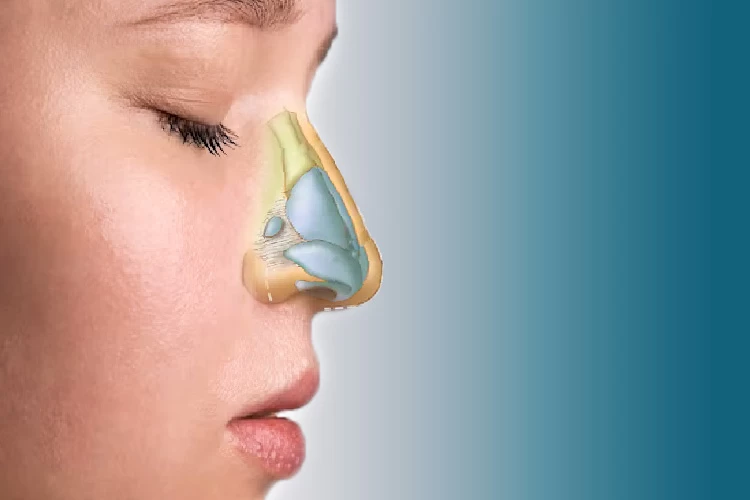
Rhinoplasty is a surgical procedure that reshapes or resizes the nose to improve its appearance or function. The surgery can address aesthetic concerns such as reducing the size of a large nose, refining the nose tip, or straightening a crooked nose. Additionally, rhinoplasty can be performed for medical reasons, such as correcting a deviated septum to improve breathing.
Surgical Techniques
There are two main types of rhinoplasty techniques:
- Open Rhinoplasty: In this technique, an incision is made across the columella (the skin between the nostrils) to allow the surgeon full access to the nasal structure. This method is typically used for more complex cases.
- Closed Rhinoplasty: In closed rhinoplasty, all incisions are made inside the nostrils, meaning no visible scars are left on the outside. This technique is generally used for minor reshaping.
The procedure typically lasts between 1.5 to 3 hours, depending on the complexity of the surgery, and is performed under general anesthesia or local anesthesia with sedation.
Procedure Steps
- Anesthesia: The patient is put under general anesthesia or local anesthesia, depending on the complexity of the surgery.
- Incisions: The surgeon makes incisions either inside the nostrils (closed) or across the columella (open) to access the nasal structure.
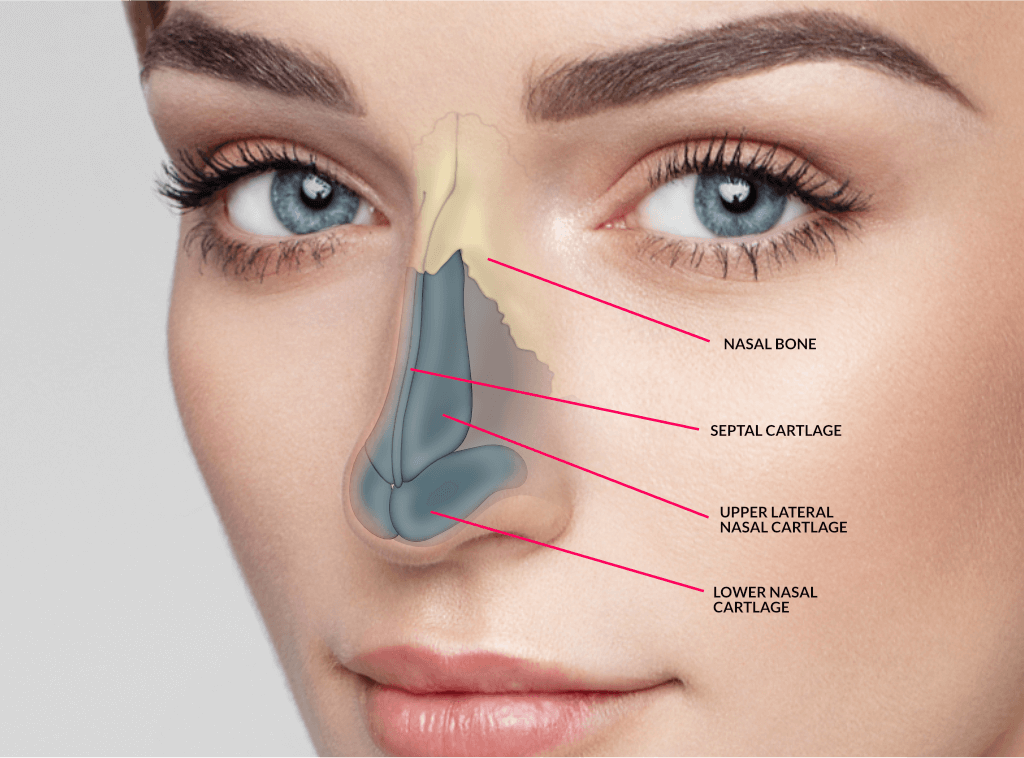
- Reshaping: The surgeon adjusts the bone, cartilage, and tissue to achieve the desired appearance. This could involve removing or adding tissue, reshaping the cartilage, or straightening the nasal passages.
- Closing the Incisions: Once the desired shape is achieved, the incisions are closed with sutures. A splint is often applied to stabilize the nose while it heals.
2. Ideal Candidates for Surgery
Not everyone is an ideal candidate for rhinoplasty. The decision to undergo surgery should be based on physical and emotional factors, including the following:
Physical Criteria
- Fully Developed Nose: The ideal age for rhinoplasty is usually after the age of 16 for females and 18 for males, as the nose has typically finished growing by this age.
- Good Overall Health: Candidates should be in good general health and free from conditions like bleeding disorders or infections that could affect healing.
- Realistic Expectations: Individuals who have a clear and realistic understanding of the outcomes are more likely to be satisfied with the results.
- Nose Structure: People with structural issues such as a deviated septum or difficulty breathing may benefit from rhinoplasty for functional reasons, in addition to aesthetic improvements.
Emotional and Psychological Considerations
- Motivation: The decision to undergo rhinoplasty should come from a desire to improve self-esteem, not from pressure by others. A psychological evaluation may be necessary to ensure that the person is mentally prepared for the changes.
- Body Dysmorphia: People with body dysmorphic disorder (BDD) or a distorted view of their appearance may not be suitable candidates for rhinoplasty, as they may not be satisfied with the results regardless of the surgery.
3. Potential Risks and Complications
Like any surgery, rhinoplasty carries some risks and potential complications. Understanding these risks is crucial to making an informed decision.
Common Risks
- Infection: As with any surgical procedure, there is a risk of infection, although this is relatively rare with rhinoplasty when proper aftercare instructions are followed.
- Bleeding: Some bleeding during and after the procedure is normal. However, excessive bleeding can be a concern and should be addressed immediately.
- Scarring: Open rhinoplasty typically results in small, discreet scars on the columella, which are usually well-hidden. However, scarring can be more noticeable for some individuals.
- Breathing Problems: In some cases, changes to the nasal passages can lead to breathing difficulties, either due to swelling or poor healing. If a breathing issue occurs post-surgery, revision surgery may be necessary.
- Nasal Asymmetry: While rhinoplasty aims to create facial harmony, some asymmetry may remain after surgery. The final results may take time to fully manifest as swelling subsides.
Long-Term Complications
- Unsatisfactory Aesthetic Results: Some individuals may be dissatisfied with the outcome and may seek revision surgery. It is important to discuss expectations thoroughly with your surgeon before proceeding.
- Nasal Collapse or Deformity: In rare cases, the nasal structure may collapse or change shape due to over-reduction of the cartilage or improper healing.
4. Aftercare and Recovery Tips
Proper aftercare is essential to ensure a smooth recovery process and achieve optimal results. Recovery from rhinoplasty typically takes a few weeks to months, with final results visible after about 6 to 12 months.
Immediate Post-Operative Care
- Resting: After the surgery, it’s important to rest with your head elevated to minimize swelling and bruising.
- Ice Packs: Applying ice packs to the face can help reduce swelling and discomfort in the first 48 hours following the procedure.
- Medication: Pain medications and antibiotics may be prescribed to manage discomfort and prevent infection. Follow the surgeon’s instructions on when and how to take them.
Long-Term Recovery
- Avoid Physical Activity: Physical exertion, including exercise, should be avoided for at least 2 to 4 weeks after surgery to prevent complications.
- Follow-up Appointments: Regular follow-up appointments are crucial to monitor healing and detect any issues early.
- Avoid Smoking: Smoking can impair healing and should be avoided for at least 4 to 6 weeks after the surgery.
- Nasal Splints and Stitches: Nasal splints are often worn for the first week to protect the nose, and stitches may be removed during a follow-up appointment.
Final Healing
- Swelling and Bruising: Swelling and bruising are common after rhinoplasty, especially around the eyes and nose. These symptoms generally subside within the first two weeks.
- Resuming Normal Activities: Most patients can return to work and light activities after about 1 to 2 weeks. However, high-impact activities should be avoided for several months.
- Monitoring Results: The final shape of the nose may take up to a year to fully settle, and any adjustments or revisions are typically done after this time.
Conclusion
Rhinoplasty can be a life-changing procedure, offering both functional and aesthetic improvements to the nose. However, it is essential to approach the surgery with careful thought and preparation. Understanding the procedure, determining if you are a good candidate, acknowledging potential risks, and following proper aftercare are crucial for a successful rhinoplasty journey. If you’re considering rhinoplasty, be sure to consult with a skilled and experienced surgeon who can guide you through the process and help you achieve the best possible results.