

















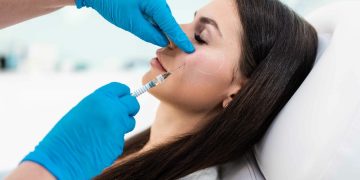
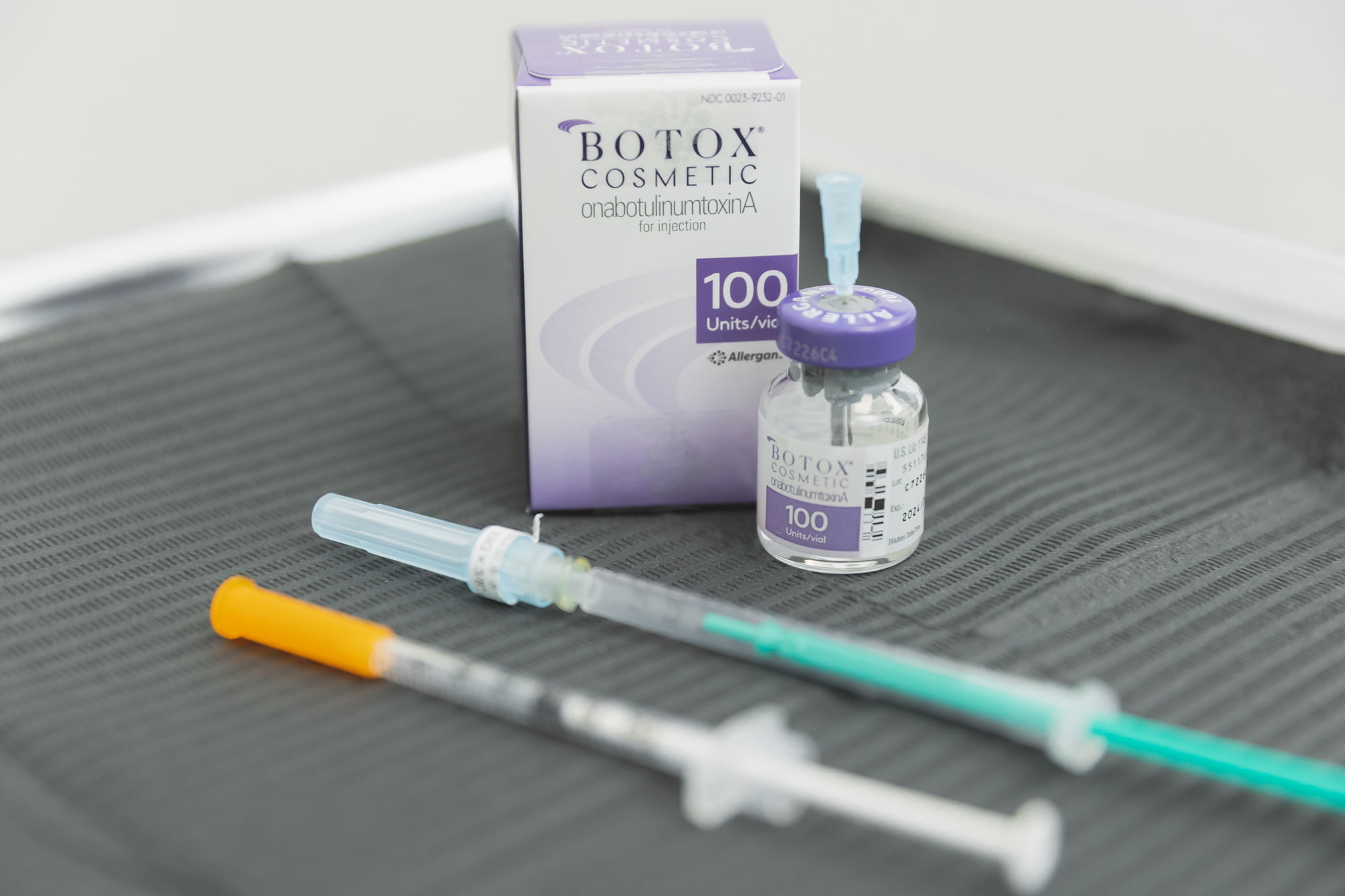
For millions around the globe, Botox is a household name, synonymous with smoothing wrinkles and turning back the clock on facial aging. But while the results are often visible on the surface, the true magic—and sophisticated science—happens deep within the skin and nervous system. This isn’t just a simple “filler” or “toxin” in the way it’s often casually described. It is a precisely engineered neuro-modulator with a fascinating mechanism of action. So, what are the biological processes that unleash this wrinkle-smoothing effect? Let’s dive into the intricate world beneath the skin to uncover the real story of how Botox works.
Mechanism of Action: A Molecular Ballet
To understand Botox, one must first understand its target: the neuromuscular junction. This is the critical communication point between a nerve cell and a muscle fiber. Every time you decide to make a facial expression—a smile, a frown, a look of surprise—your brain sends an electrical signal down the nerve. When this signal reaches the end of the nerve, it triggers the release of a vital chemical messenger called acetylcholine. This neurotransmitter crosses the tiny gap (the synapse) and binds to receptors on the muscle fiber, instructing it to contract.
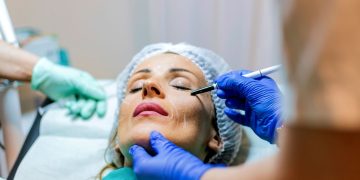
Botox, whose active ingredient is a highly purified form of the botulinum toxin type A, intercepts this process with incredible precision. The journey begins the moment it is injected.
- Binding and Internalization: The Botox molecule is structured to target specific nerve endings. It binds to receptors on the surface of the nerve terminals that are responsible for controlling muscle activity. Once bound, the entire complex is engulfed by the nerve cell in a process called endocytosis—essentially, the nerve cell pulls the toxin inside, trapping it in a small vesicle.
- Cleavage and Disruption: Inside the nerve cell, the Botox molecule cleverly splits into its two component parts. The lighter chain is the active component. It escapes the vesicle and acts like a pair of molecular scissors. Its specific target is a group of proteins known as the SNARE complex. These proteins are essential “docking equipment” that allows the vesicles containing acetylcholine to fuse with the nerve cell membrane and release their contents. The light chain of Botox cuts one specific protein in this complex, SNAP-25, rendering the entire fusion mechanism useless.
- The Result: Chemical Denervation: With the SNARE complex disabled, the vesicles filled with acetylcholine cannot dock or release their payload. The signal from the nerve to the muscle is effectively blocked. The muscle fiber, no longer receiving the “contract” command, enters a state of relaxation and temporary paralysis. This is known as chemical denervation.
It is this forced relaxation of the underlying facial muscles that allows the overlying skin to smooth out. The dynamic wrinkles—those formed by repetitive muscle movements over years, like frown lines, crow’s feet, and forehead lines—gradually soften and often disappear. The process is not instantaneous; it takes anywhere from 24 hours to several days for the full effect to manifest as the biochemical process completes itself. Crucially, this effect is temporary and reversible. The body eventually clears the Botox, and the nerve ending generates new SNARE proteins, restoring full communication and muscle function over time.
Common Treatment Areas: Beyond the Frown Line
While Botox is famously known for addressing glabellar lines (the “11s” between the eyebrows), its applications have expanded significantly. Its action of relaxing hyperactive muscles makes it suitable for a variety of zones.
- The Upper Face: This remains the most common treatment area.
- Glabellar Lines: The primary muscles targeted here are the corrugator and procerus muscles, which pull the eyebrows together, creating vertical frown lines.
- Horizontal Forehead Lines: These are caused by the frontalis muscle, which we use to raise our eyebrows. Skillful injection of Botox relaxes this muscle to smooth the lines while preserving the ability to make natural expressions.
- Crow’s Feet: These are the fine lines that fan out from the corners of the eyes, resulting from the contraction of the orbicularis oculi muscle when we smile or squint.
- The Mid and Lower Face: More advanced techniques use Botox for subtle enhancements.
- Brow Lift: A small, strategic dose can relax the muscles that pull the eyebrows downward, allowing the opposing elevators to lift the brow slightly, creating a more alert and youthful appearance.
- Lip Lines (Smoker’s Lines): Tiny doses can relax the orbicularis oris muscle around the mouth to soften the vertical lines that appear when pursing the lips.
- Downturned Mouth: Relaxing the depressor anguli oris muscle at the corners of the mouth can help lift those corners, reducing a sad or angry resting expression.
- Masseter Muscle (Jaw Clenching & Slimming): This is a highly popular treatment. Injecting the large masseter muscles on the sides of the jaw can alleviate pain from teeth grinding (bruxism) and, as a secondary effect, reduce the bulk of the muscle, creating a softer, more V-shaped facial contour.
- Medical Uses: It’s important to remember that Botox’s journey began in medicine. It is FDA-approved for numerous conditions, including chronic migraines, excessive sweating (hyperhidrosis), overactive bladder, cervical dystonia (a neck muscle disorder), and strabismus (crossed eyes).
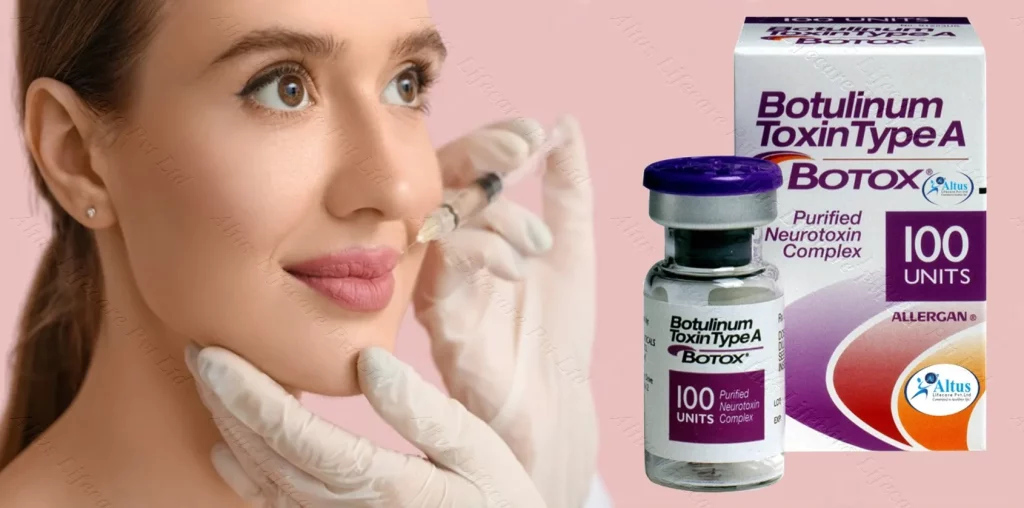
Age and Suitability Considerations: Is There a “Right” Time?
The question of when to start Botox is common, and the answer is increasingly personalized. The old adage of waiting until deep, static wrinkles are permanently etched into the face is being replaced by a more proactive approach.
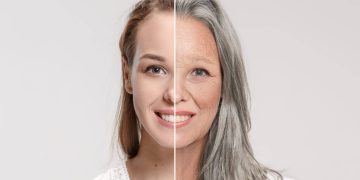
- Preventative Botox (Late 20s to Early 30s): Many individuals in their late twenties and thirties are now opting for “preventative” treatments. The logic is sound: by starting when dynamic lines are just beginning to appear—often visible when making expressions but disappearing at rest—Botox can prevent the skin from constantly folding. Over time, this constant creasing leads to the breakdown of collagen and elastin, forming permanent wrinkles. By relaxing the muscles early, the skin is given a “break,” delaying the formation of deep, static lines.
- Corrective Botox (Late 30s to 50s): This is the most common demographic. At this stage, dynamic lines have often become static, meaning they are visible even when the face is at rest. Botox remains highly effective at softening these lines and preventing them from deepening further. The treatment plan may involve slightly higher units and can be combined with dermal fillers to replace lost volume for a more comprehensive rejuvenation.
- Suitability is Key: Age is just a number; muscle strength and skin condition are more critical factors. A good candidate is someone in good general health with realistic expectations. Botox is not suitable for:
- Pregnant or breastfeeding women.
- Individuals with neurological diseases such as myasthenia gravis or Lambert-Eaton syndrome.
- People with an allergy to any component of the injection.
- Those with an active infection at the proposed injection site.
The most important step in determining suitability is a thorough consultation with a qualified and experienced medical professional who can assess facial anatomy, muscle dynamics, and aesthetic goals.
Risks and Precautions: Navigating the “Toxin”
While Botox is considered safe when administered by a trained professional, it is a potent biological agent, and understanding its risks is paramount.
- Common and Temporary Side Effects: These are typically mild and resolve on their own within a few days. They include:
- Pain, redness, swelling, or bruising at the injection site.
- A mild headache.
- Temporary eyelid droop (ptosis) or eyebrow asymmetry. This is usually the result of the toxin diffusing into adjacent muscles and is often technique-dependent.
- Rare but Serious Risks: If the toxin spreads beyond the injection site, it can cause symptoms of botulism, though this is extremely rare with cosmetic doses. Symptoms can include:
- Muscle weakness throughout the body.
- Vision problems.
- Difficulty speaking or swallowing.
- Breathing problems.
- Crucial Precautions:
- The Injector is Everything: The single most important factor in minimizing risk and achieving natural results is choosing your provider. Seek out a board-certified dermatologist or plastic surgeon who has extensive experience with facial anatomy and Botox injections. Their skill determines the correct placement, depth, and dosage.
- Post-Treatment Care: After treatment, patients are advised to remain upright for 4-6 hours, avoid rubbing or massaging the treated areas for 24-48 hours (to prevent diffusion), and abstain from strenuous exercise and excessive heat (like saunas) for the rest of the day.
Frequency and Longevity: The Cycle of Maintenance
One of the key attractions of Botox is its temporary nature, which allows for adjustments over time. However, this also means maintenance is required.
The effects of a Botox treatment are not permanent. Typically, results begin to appear within 2-3 days, peak around 2 weeks, and last for an average of 3 to 4 months. Several factors influence this timeline:
- Metabolism: Individuals with faster metabolisms may process the toxin more quickly.
- Muscle Mass and Strength: Stronger, more developed muscles (like a powerful frontalis or masseter) may require more units and can break down the effects slightly faster.
- Dosage and Technique: A higher, adequate dose and precise injection technique typically lead to longer-lasting results.
- Frequency of Treatment: With consistent, long-term use, some patients find that the treated muscles can atrophy (shrink) slightly, leading to longer intervals between treatments. Some may find they can extend their treatments to every 5 or 6 months.
Therefore, a regular maintenance schedule is recommended to sustain the smooth, relaxed appearance. Patients often schedule their next appointment just as the muscle action begins to return, ensuring that the wrinkles do not fully re-form.
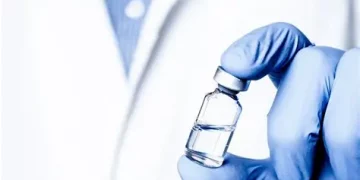
In conclusion, the journey of a Botox injection from a vial into a wrinkle is a remarkable feat of modern science. It is not a passive filler but an active neurological intervention that temporarily rewires the communication between nerves and muscles. Its success hinges on a deep understanding of anatomy, a meticulous technique, and realistic patient expectations. By appreciating the sophisticated biological processes happening under the skin, we can better understand both the profound benefits and the necessary respect this powerful treatment commands.