























The visible signs of aging—sagging jowls, a loosened jawline, and crepey skin on the neck and body—have long been considered the exclusive domain of the plastic surgeon’s knife. A surgical facelift, while effective, involves significant cost, downtime, and inherent surgical risks. But what if you could trigger your body’s own collagen-producing machinery to lift and tighten skin without a single incision? This is the revolutionary promise of non-invasive skin tightening technologies. Using energy sources like ultrasound and radiofrequency, these devices aim to reverse the clock on skin laxity. However, with a crowded market of competing technologies and bold claims, it’s crucial to understand the science behind each modality, its realistic outcomes, and for whom it is truly designed. This guide cuts through the hype to provide a clear, scientific breakdown of how these treatments work, where they excel, and how to approach them for the best possible results.
1. The Energy of Renewal: How Different Technologies Work Beneath the Skin
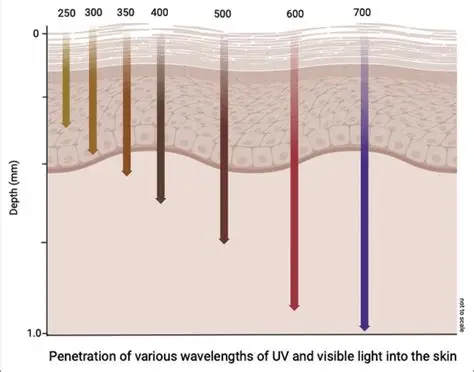
At the core of every non-invasive skin tightening device is a simple principle: deliver controlled energy deep into the skin’s foundation to stimulate a wound-healing response, resulting in new collagen production. The type of energy and its depth of penetration are what differentiate the technologies.
Radiofrequency (RF) – The Volumetric Heater:
- Mechanism: RF devices deliver electrical energy that causes water molecules within the tissue to oscillate rapidly, generating heat. This heat is not on the surface; it is delivered volumetrically to the deep dermis and even the subcutaneous fat layer.
- The Biological Response: The controlled thermal injury denatures existing collagen fibers, causing them to contract and tighten immediately. More importantly, the heat shock triggers a prolonged neocollagenesis process, where the body produces new, organized collagen over 3-6 months. This new collagen thickens the dermis and provides a structural lift, leading to gradual skin tightening and improved contour.
- Types: There are monopolar, bipolar, and fractional RF devices, each with different penetration depths and applications.
Focused Ultrasound (e.g., Ultherapy) – The Precision Targeting System:
- Mechanism: This technology is the pinnacle of precision. It uses microfocused ultrasound waves to bypass the epidermis entirely without damage. These waves converge at a specific, pre-set depth—typically the foundational layer known as the Superficial Musculoaponeurotic System (SMAS), the same layer lifted in a surgical facelift.
- The Biological Response: At these precise focal points, the energy creates microscopic thermal injury zones (coagulation points). The body recognizes this controlled damage and initiates a robust healing cascade, rebuilding the structural support network with new collagen. Because it targets the foundational layer, it can produce a more significant lifting effect than technologies that treat only the dermis.
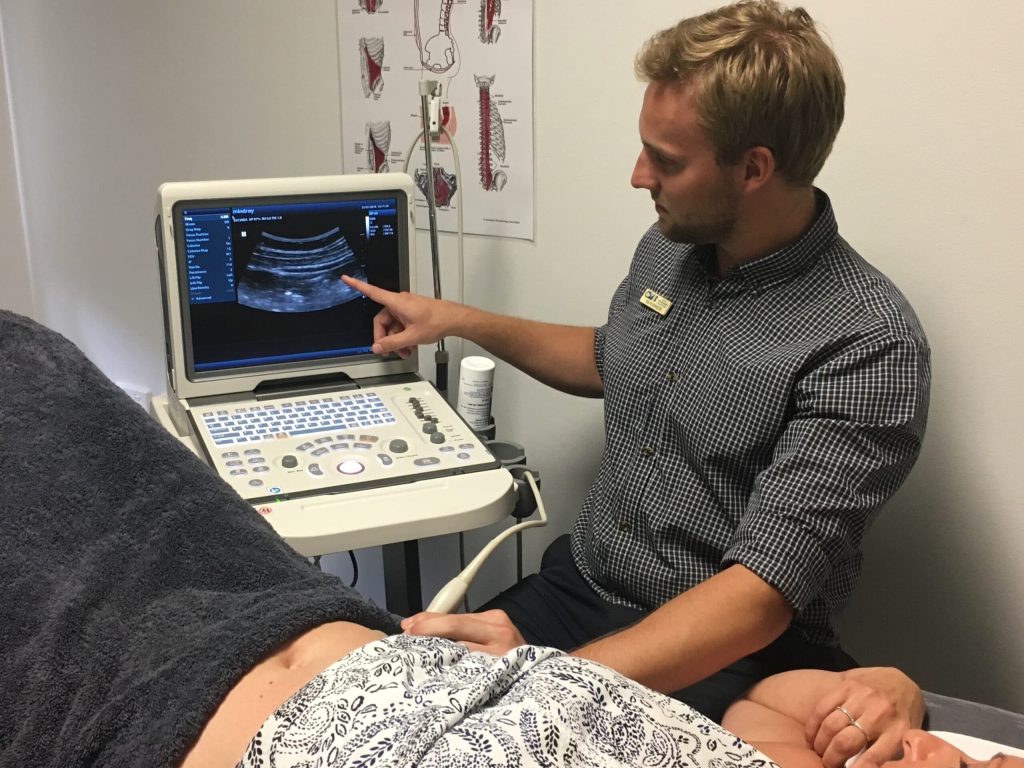
Microfocused Ultrasound with Visual Guidance (MFU-V): This is the gold-standard technology, as it allows the practitioner to see the different tissue layers in real-time on an ultrasound screen, ensuring energy is delivered precisely to the intended depth for maximum safety and efficacy.
Other Technologies:
- Laser-Based Tightening: Some fractional lasers, like the 1540nm or 1927nm wavelengths, penetrate deeply enough to heat the dermis and stimulate collagen, offering a secondary tightening effect alongside their primary resurfacing benefits.
- Pulsed Electromagnetic Fields (PEMF): A newer technology that uses magnetic fields to stimulate collagen and elastin without significant heat, making it virtually painless but with more subtle results.
2. The Treatment Map: Which Areas Respond Best to Energy-Based Tightening
Not all areas of the body have the same anatomical structure or respond equally to non-invasive tightening. The success of a treatment is highly dependent on choosing the right technology for the right area.
Prime Areas for Lifting and Tightening:
- Face: The lower face is the primary target. The jawline and jowls see the most dramatic improvement from technologies like Ultherapy that can lift from the SMAS level. The brow can also be lifted non-surgically with precise ultrasound placement.
- Neck: The submental region (under the chin) and the neck itself respond very well to both RF and ultrasound, improving laxity and reducing the appearance of “turkey neck.”
- Décolletage: RF is particularly effective here for smoothing the crepey, wrinkled skin on the chest caused by sun damage and aging.
- Body: The abdomen, thighs, and buttocks are excellent candidates for RF treatments. The technology can tighten skin laxity following weight loss or pregnancy and can also have a mild fat-reducing effect (through apoptosis) in some cases.
Areas of Caution:
The delicate, thin skin around the eyes requires specialized, low-energy devices and is not a primary target for deep lifting technologies. The upper cheeks with a lot of buccal fat may not show as dramatic a result as the more defined lower face.
3. The Ideal Candidate: Realistic Expectations on Suitability and Effectiveness
Managing expectations is the most critical part of the consultation. These are not surgical procedures, and their results are different.
The Perfect Candidate:
- Someone with mild to moderate skin laxity, not severe sagging.
- An individual in their late 30s to 50s who is starting to see a loss of definition in their jawline but does not yet need or want surgery.
- A person with good skin quality and elasticity still remaining. The technology works by stimulating your body’s natural response; if the blueprint is severely degraded, the results will be limited.
- Someone who is patient, as results unfold gradually over 2-6 months.
Effectiveness and Limitations:
- “A Non-Surgical Facelift” is a Misnomer: These treatments will not duplicate the results of a surgical facelift that removes excess skin and re-drapes tissues. A more accurate description is a “non-surgical lift” that can provide a noticeable, natural-looking improvement in contour.
- Degree of Improvement: Most patients can expect a 20-30% improvement in skin tightness and lift. This is often enough to restore a more youthful contour and delay the need for surgery for several years.
- Maintenance is Required: The body’s natural aging process continues. To maintain results, touch-up treatments are typically needed every 12-24 months.
4. Safety First: Understanding the Risks and Contraindications
While non-invasive, these treatments are medical procedures that carry potential side effects and are not suitable for everyone.
Common, Temporary Side Effects:
- RF: Redness, swelling, and tenderness for a few hours to a couple of days.
- Ultrasound: Temporary redness, swelling, bruising, tingling, or tenderness. Some patients experience brief, transient numbness in treated areas.
Rare but More Serious Risks:
- Fat Atrophy: If the energy is delivered incorrectly or at too high a setting, it can cause a loss of fat volume, leading to visible indentations or irregularities. This underscores the importance of being treated by an experienced, certified professional.
- Nerve Injury: Particularly with ultrasound around the jawline, there is a very small risk of temporary nerve weakness, which can affect a smile. This is almost always temporary.
- Scarring: Extremely rare with proper technique.
Key Contraindications:
- Pregnancy or Breastfeeding
- Active infections or open wounds in the treatment area.
- Certain Medical Conditions: Such as uncontrolled diabetes or autoimmune disorders that impair healing.
- Metal Implants: In the treatment area (for RF and ultrasound).
- History of Keloid Scarring.
5. The Synergistic Approach: Combining Treatments for Maximum Impact
The most powerful strategy in aesthetic medicine is combination therapy. Skin tightening technologies are often paired with other treatments to address multiple signs of aging simultaneously.
Tightening + Wrinkle Reduction:
- RF/Ultrasound + Neurotoxins (Botox/Dysport): The skin tightening treatment addresses laxity, while Botox relaxes dynamic wrinkles (crow’s feet, forehead lines), providing a comprehensive rejuvenation.
Tightening + Volume Restoration:
- RF/Ultrasound + Dermal Fillers: This is a powerful combination. The tightening device lifts and tightens the structural layer, while fillers replace lost volume in the cheeks, temples, and lips. It is often recommended to do the tightening treatment first and add filler a few weeks or months later once the collagen response has begun.
Tightening + Surface Perfection:
- RF + Laser Resurfacing or Chemical Peels: RF treats the deep dermis for laxity, while a laser or peel addresses surface texture, pigmentation, and fine lines in the epidermis. These can often be performed in the same session or staggered a few weeks apart.
Non-invasive skin tightening represents a monumental leap in cosmetic dermatology, offering a legitimate, evidence-based alternative for those not ready for surgery. However, its success is not guaranteed by the machine alone. It is a partnership between advanced technology and the expertise of the practitioner. By choosing a board-certified dermatologist or plastic surgeon, having a thorough and honest consultation about your goals and limitations, and potentially integrating these treatments into a broader aesthetic plan, you can safely and effectively harness your body’s own power to achieve a firmer, more lifted, and rejuvenated appearance.