


























The promise is alluring: a quick, intense “detox” or “cleanse” to flush out toxins, shed pounds, and reveal the clear, glowing skin you’ve been hiding underneath. From juice fasts to master cleanses, the detox industry capitalizes on our desire for a simple, rapid solution to complex problems like acne, dullness, and inflammation. But what is the scientific truth behind these popular trends? Do they genuinely purify your body and transform your complexion, or are they a potentially harmful shortcut that ultimately backfires? This article cuts through the marketing hype to explore the real relationship between detox diets and skin health, separating physiological fact from dangerous fiction and providing a sustainable, evidence-based path to a truly clear complexion.
1. The Allure of the Quick Fix: Examining Popular Detox Trends
Detox diets come in many forms, but they share a common theme: severe restriction with the purported goal of eliminating toxins.
Juice Cleanses: Perhaps the most popular trend, this involves consuming only fruit and vegetable juices for a period ranging from three days to a week. Proponents claim it gives your digestive system a “rest” and floods your body with vitamins.
The Master Cleanse (Lemonade Diet): A notoriously restrictive regimen consisting of only a mixture of lemon juice, maple syrup, cayenne pepper, and water for 10 or more days. It provides minimal protein, fat, and essential nutrients.
Tea Toxes and “Slimming” Teas: These often involve drinking large quantities of herbal teas that act as laxatives or diuretics, promising to “flush” the colon and reduce bloating.
Water Fasting: The most extreme form, involving consuming nothing but water for a set period, under the belief that it allows the body to focus entirely on cellular repair and toxin removal.
The underlying premise of all these trends is flawed. They operate on the assumption that our bodies are full of undefined “toxins” that we need to actively purge through drastic measures. In reality, the human body is equipped with a highly sophisticated, self-cleaning system.
2. The Biological Truth: Weighing the Potential Benefits Against the Very Real Risks
To understand the effect of detox diets, we must first understand the body’s innate detoxification system.
Your Body’s Built-In Detox Squad:
You don’t need a special diet to detoxify. Your body is doing it continuously through:
- The Liver: Your primary detox organ, which neutralizes harmful substances and prepares them for excretion.
- The Kidneys: They filter your blood and excrete waste products through urine.
- The Lungs: Expel volatile toxins and carbon dioxide.
- The Skin: Through sweat.
- The Colon (Large Intestine): Eliminates solid waste.
Perceived “Benefits” and Their True Cause:
People often report initial “glowing” skin on a detox, but this is usually due to:
- Increased Water Intake: Simply being better hydrated can plump up skin cells, making skin look temporarily smoother.
- Elimination of Processed Foods: Cutting out sugar, refined carbs, and unhealthy fats for a few days can reduce inflammation, leading to less redness and swelling in existing blemishes.
The Significant Risks and Long-Term Damage:
The risks far outweigh these fleeting, superficial benefits.
- Skin Purging and Breakouts: A sudden, drastic change in diet can be a shock to your system, causing a surge in stress hormones like cortisol. This can increase oil production and lead to a “purge” of severe breakouts, particularly along the jawline and chin. Furthermore, juice cleanses high in fruit sugar can spike your blood sugar, another trigger for inflammation and acne.
- Nutrient Deficiencies: These diets are severely lacking in protein, essential fatty acids, and micronutrients like zinc and B vitamins—all of which are critical for skin repair, collagen production, and fighting inflammation. This deficiency can lead to dry, flaky skin, slow healing of blemishes, and hair loss.
- Metabolic Disruption: Severely restricting calories tells your body it’s in a state of famine. Your metabolism slows down to conserve energy, and once you resume a normal diet, your body is primed to store more fat, leading to rapid weight regain.
- Disordered Eating Patterns: The cycle of restriction and deprivation can create an unhealthy relationship with food, potentially triggering or exacerbating eating disorders.
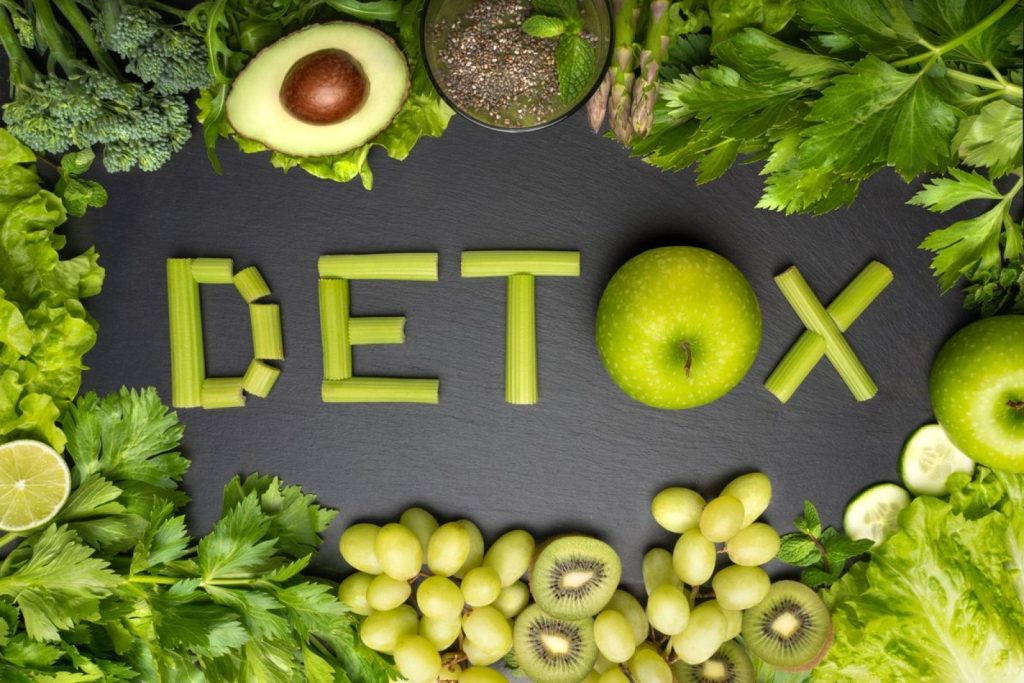
3. Nourish, Don’t Punish: Foods That Naturally Support Your Body’s Detox Pathways
The most effective way to “detox” for clear skin is not to starve your body, but to nourish it with the specific nutrients it needs to perform its natural functions optimally.
Support the Liver:
- Cruciferous Vegetables: Broccoli, cauliflower, Brussels sprouts, and kale contain compounds like sulforaphane that support the liver’s Phase II detoxification enzymes.
- Leafy Greens: Spinach and Swiss chard are rich in chlorophyll, which can help bind to and remove certain environmental toxins.
- Beets: Contain betalains, which have anti-inflammatory properties and support liver function.
Support the Gut-Skin Axis:
- Fiber-Rich Foods: Apples, oats, flaxseeds, and legumes act as prebiotics and help sweep waste through the colon, preventing constipation and supporting a healthy gut microbiome. A healthy gut is directly linked to reduced skin inflammation.
- Fermented Foods: Yogurt (with live cultures), kefir, kimchi, and sauerkraut provide probiotics that balance gut bacteria, which can calm systemic inflammation that manifests as acne or rosacea.
Fight Inflammation with Antioxidants:
- Berries: Blueberries, raspberries, and blackberries are packed with antioxidants that protect skin cells from free radical damage.
- Green Tea: Contains EGCG, a powerful anti-inflammatory polyphenol that can help reduce redness and improve skin elasticity.
- Turmeric: The active compound curcumin is one of the most potent natural anti-inflammatories available.
4. The Forever Glow: How to Sustain Skin Health Beyond the Fad
Achieving and maintaining clear skin is a marathon, not a sprint. It requires consistent, sustainable habits that support your body’s health every single day.
Embrace a Balanced, Whole-Foods Diet:
Instead of a 7-day cleanse, adopt a lifelong “clean” way of eating. Focus on a Mediterranean-style diet rich in:
- Colorful fruits and vegetables for antioxidants.
- Lean proteins (fish, chicken, legumes) for repair.
- Healthy fats (avocado, nuts, olive oil) for a supple skin barrier.
- Complex carbohydrates (whole grains, sweet potatoes) for stable energy.
Prioritize Consistent Hydration:
Water is essential for transporting nutrients to skin cells and flushing out metabolic waste. Make water your primary beverage throughout the day.
Manage Chronic Stress:
High cortisol levels from chronic stress increase oil production and break down collagen. Incorporate daily stress-management techniques like walking, meditation, or yoga.
Protect with Sunscreen:
UV radiation is a primary source of skin-damaging free radicals. Daily use of broad-spectrum SPF 30+ is a non-negotiable form of external “detox” protection.
Get Quality Sleep:
The body’s most intensive repair and regeneration, including for the skin, happens during deep sleep. Aim for 7-9 hours per night.
The quest for clear skin through detox diets is a dangerous detour on the road to real health. These regimens are built on a biological myth and often cause more harm than good, including breakouts, nutrient deficiencies, and metabolic damage. True skin clarity is not achieved by punishing your body with deprivation but by consistently nourishing it with the whole foods it needs to perform its own, highly efficient detoxification work. By shifting your focus from short-term cleanses to long-term, sustainable lifestyle habits—a balanced diet, adequate hydration, stress management, and sun protection—you empower your body’s innate wisdom. This is the only “cleanse” that truly leads to lasting, radiant skin health.