




























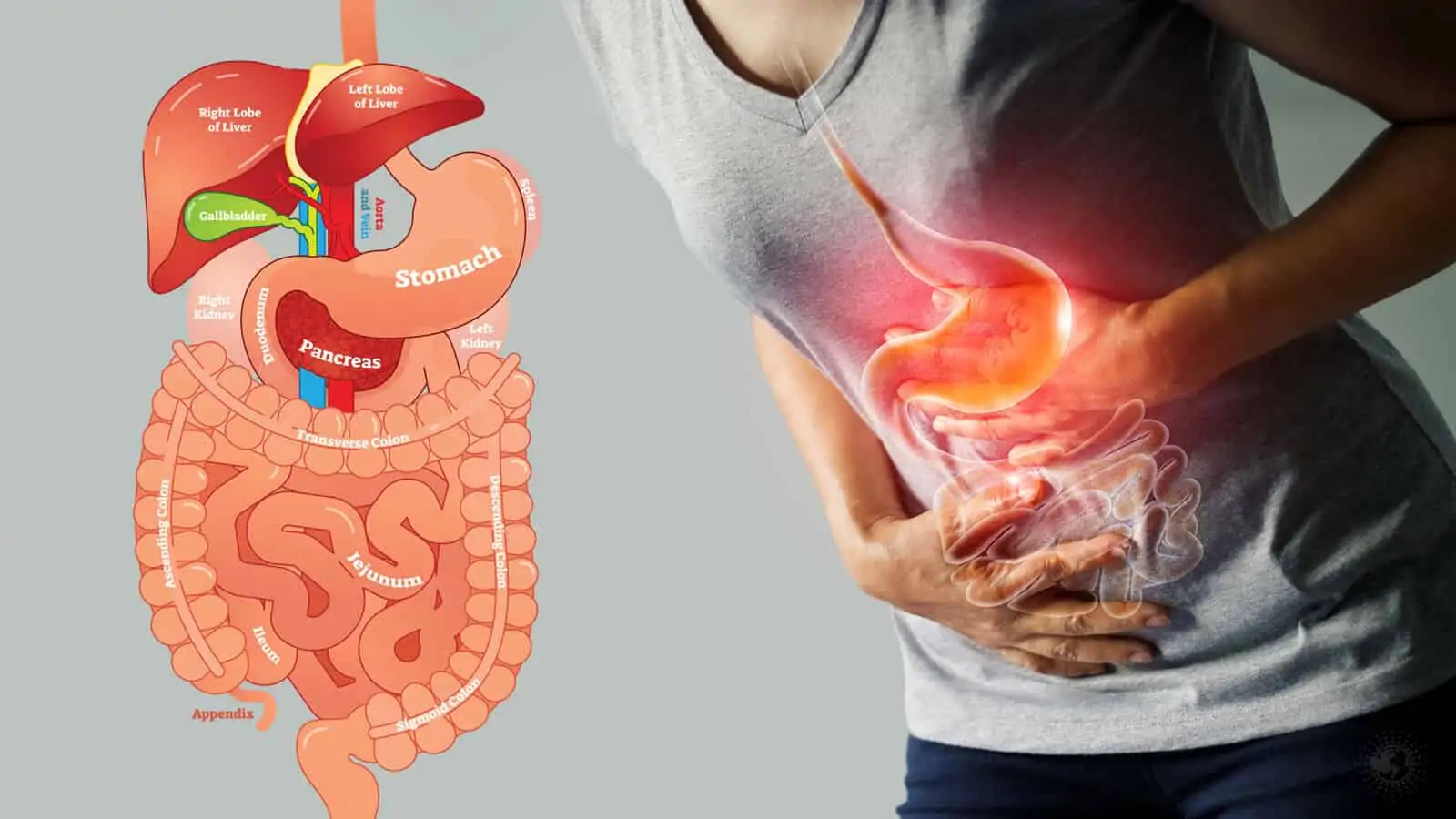
The connection between gut health and skin wellness has gained remarkable attention in recent years. While glowing skin was once thought to depend solely on topical skincare routines, modern research reveals that true radiance starts from within—specifically, in the gut. The digestive system plays a critical role in inflammation management, nutrient absorption, immune function, and hormonal balance, all of which directly affect the skin’s appearance.
This comprehensive guide explores the gut–skin axis, the importance of probiotics and prebiotics, digestive issues that commonly manifest on the skin, and practical steps for incorporating gut-friendly foods into your daily lifestyle. Understanding this connection empowers you to elevate your beauty routine from the inside out.
Understanding the Gut–Skin Axis
The gut–skin axis refers to the bidirectional relationship between the digestive system and the skin. It explains how imbalances in gut bacteria, inflammation, or digestive dysfunction can manifest externally as acne, eczema, rosacea, premature aging, or dull skin.
1. The Microbiome: Your Internal Ecosystem
The gut microbiome consists of trillions of microorganisms—bacteria, viruses, and fungi—that play essential roles in digestion, immunity, and metabolic health. When the microbiome is balanced, it helps regulate:
- Inflammation
- Hormonal stability
- Skin barrier function
- Nutrient metabolism
- Toxin elimination
However, when the microbiome becomes imbalanced (a condition known as dysbiosis), harmful bacteria overgrow, causing systemic inflammation that can appear on the skin.
2. The Immune Response
About 70% of the human immune system resides in the gut. When the gut lining is compromised—due to stress, poor diet, or infection—it becomes porous, allowing unwanted particles to enter the bloodstream. This condition, often called increased intestinal permeability or “leaky gut,” can trigger:
- Immune overreactions
- Chronic inflammation
- Skin flare-ups
This explains why people with inflammatory skin conditions like eczema or psoriasis often also experience digestive issues.
3. Neurotransmitters and the Gut–Brain–Skin Triangle
The gut produces neurotransmitters such as serotonin and influences the nervous system. Stress disrupts gut bacteria; in turn, gut disturbances escalate stress signals in the body. This loop contributes to skin problems like:
- Stress-induced acne
- Increased oil production
- Heightened sensitivity and inflammation
Thus, gut health is not only a digestive matter—it aligns with emotional, hormonal, and skin wellness.
Probiotics and Prebiotics: Essential Allies for Healthy Skin
Supporting the gut microbiome is one of the most effective ways to improve skin health. Probiotics and prebiotics each play a distinctive and complementary role.
1. Probiotics: The “Good” Bacteria
Probiotics are beneficial live bacteria that help rebalance the gut flora. They work to:
- Reduce inflammation
- Strengthen the intestinal barrier
- Enhance nutrient absorption
- Regulate digestion
- Support immune health
Skin Benefits of Probiotics
- Reduced acne due to lowered inflammation and improved hormonal balance
- Calmer eczema and rosacea, as probiotics modulate immune responses
- Improved moisture retention thanks to a stronger skin barrier
- Less sensitivity and redness
Common probiotic strains include:
- Lactobacillus
- Bifidobacterium
- Saccharomyces boulardii
These strains have been widely studied for both gut and skin benefits.
2. Prebiotics: Food for Good Bacteria
Prebiotics are indigestible fibers that serve as nourishment for probiotics. They help healthy bacteria grow and thrive, enhancing microbiome diversity.
Common prebiotic sources include:
- Bananas
- Garlic
- Onions
- Leeks
- Asparagus
- Oats
- Apples
Prebiotics Support Skin Health by:
- Reducing gut inflammation, which prevents inflammatory skin reactions
- Improving digestion and nutrient uptake
- Encouraging a balanced gut environment that reflects in clearer, more vibrant skin
Using probiotics without prebiotics is like planting flowers without soil—both are essential for long-term gut and skin health.
Common Digestive Issues That Affect Skin
Digestive disorders often produce visible skin symptoms, making the skin a helpful indicator of internal imbalances.
1. Dysbiosis
When harmful bacteria dominate the gut:
- Acne flare-ups become more frequent
- Skin becomes dull and inflamed
- Allergic reactions or sensitivities may increase
Dysbiosis is typically caused by a poor diet, stress, excessive antibiotics, alcohol consumption, or lack of fiber.
2. Constipation
Constipation prevents the proper elimination of toxins, which can then recirculate in the bloodstream. This may result in:
- Breakouts
- Skin dullness
- Under-eye puffiness
- Congestion in pores
Hydration, fiber intake, and regular movement are key to preventing toxin buildup.
3. Irritable Bowel Syndrome (IBS)
IBS affects digestion and nutrient absorption. People with IBS often experience:
- Dry or dehydrated skin
- Skin sensitivity
- Flare-ups linked to inflammation
Correcting IBS through diet and stress management often reduces skin symptoms.
4. Food Intolerances
Undiagnosed sensitivities to dairy, gluten, or certain additives can create systemic inflammation. On the skin, this may appear as:
- Redness
- Bumps
- Eczema-like rashes
- Acne
Tracking triggers and adopting an elimination diet under professional guidance can help identify problem foods.
5. Leaky Gut
A weakened intestinal barrier allows toxins to enter the bloodstream, triggering widespread inflammation. This is often associated with:
- Eczema
- Psoriasis
- Persistent acne
- Rosacea
Addressing leaky gut through nutrition and lifestyle changes often leads to significant skin improvement.
Incorporating Gut-Friendly Foods into Your Routine
Supporting gut health through nutrition is one of the most effective ways to enhance skin wellness. Gut-friendly foods promote balance, reduce inflammation, and improve nutrient absorption—creating a foundation for healthy, glowing skin.
1. Probiotic-Rich Foods
- Yogurt with live cultures
- Kefir
- Kimchi
- Sauerkraut
- Miso
- Tempeh
These foods introduce beneficial bacteria into the digestive system.
2. Prebiotic-Rich Foods
- Garlic
- Onions
- Leeks
- Asparagus
- Oats
- Apples
- Flaxseeds
Add these to daily meals to nourish gut bacteria.
3. Fiber-Rich Foods
Fiber supports healthy digestion and toxin elimination. Include:
- Whole grains
- Legumes
- Vegetables
- Berries
Aim for 25–30 grams of fiber daily for optimal gut function.
4. Anti-Inflammatory Foods
Chronic inflammation affects both gut and skin. Consume:
- Turmeric
- Ginger
- Green leafy vegetables
- Olive oil
- Fatty fish (omega-3 rich)
These ingredients soothe inflammation from the inside out.
5. Hydration
A well-hydrated digestive tract promotes regularity and supports nutrient absorption. Drink:
- Water
- Herbal teas
- Coconut water
Limit sugary beverages and excessive caffeine.
6. Reduce Gut-Damaging Foods
Avoid or limit:
- Processed foods
- Excess sugar
- Refined carbohydrates
- Artificial sweeteners
- Alcohol
- Deep-fried items
These can disrupt the microbiome and worsen skin issues.
Conclusion
Gut health is a vital pillar of skin wellness. Through the gut–skin axis, the state of your digestive system shapes your skin’s clarity, texture, hydration, and resilience. By understanding the role of the microbiome, supporting it with probiotics and prebiotics, addressing digestive issues, and embracing gut-friendly foods, you can cultivate a healthier gut—and, as a result, more radiant and youthful skin.
True beauty begins within. When you nourish your gut, you create the foundation for long-lasting wellness that shines through your skin and overall vitality.