




















Hair dye has become a universal tool for self-expression—allowing people to refresh their look, cover grays, enhance their confidence, or explore bold, creative colors. Yet with all its beauty-transforming potential, dyeing also raises important questions: Does hair dye damage your hair? Are certain dyes safer than others? And how can you protect your strands before and after coloring?
This comprehensive guide dives into the truth about hair dye, helping you make informed decisions while maintaining strong, healthy hair.
1. What Types of Hair Dyes Are Available and How Do They Work?
Hair dyes vary widely in formulation, intensity, longevity, and chemical impact. Understanding these categories is crucial for choosing the right option for your hair goals and health.
➤ Permanent Hair Dye
How it works:
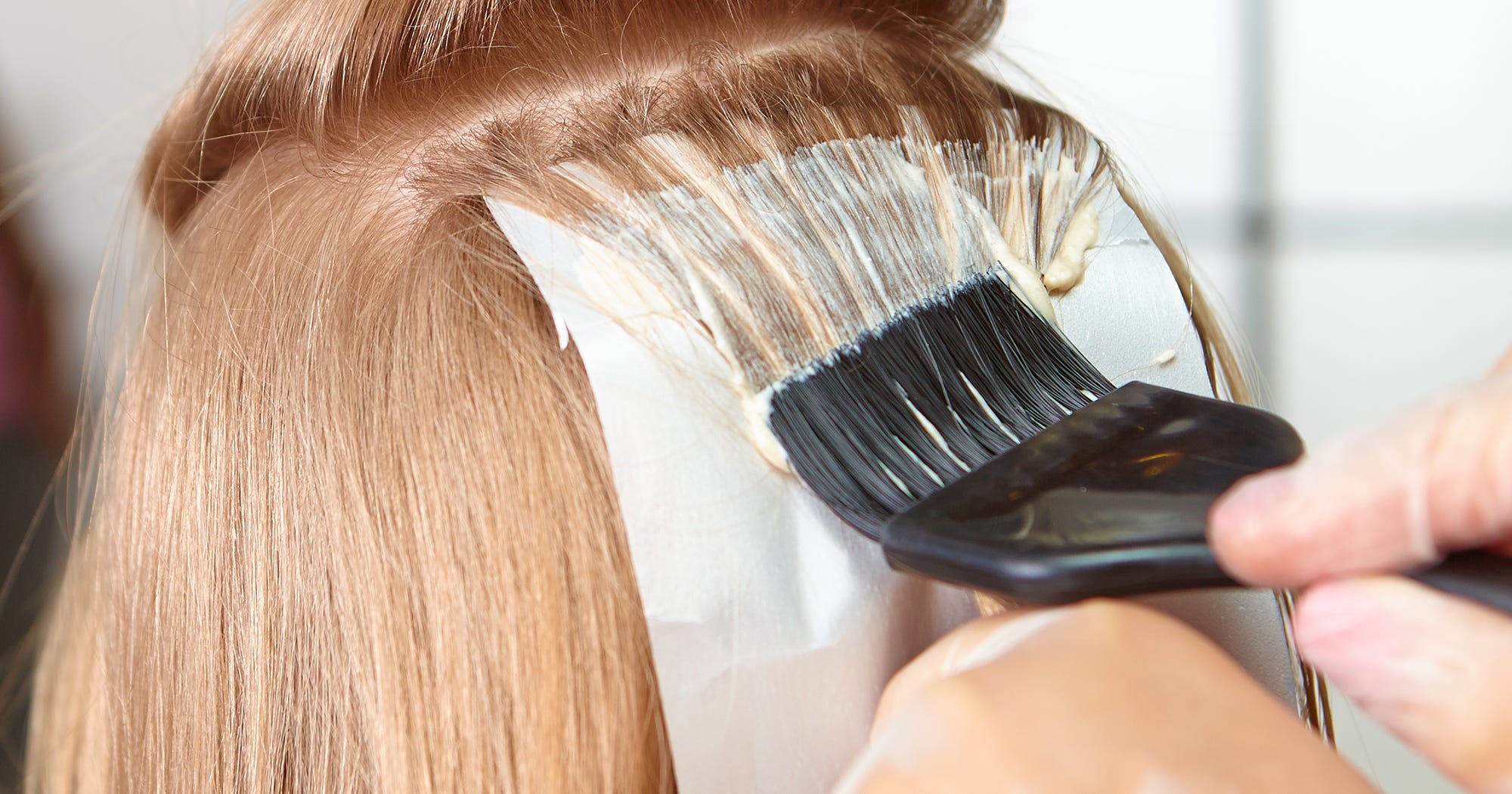
Permanent dye uses ammonia (or ammonia alternatives) and hydrogen peroxide to open the hair cuticle, lift natural pigment, and deposit new color inside the cortex.
Pros:
- Long-lasting results
- Effective for covering gray hair
- Wide range of shades
Cons:
- More damaging due to cuticle disruption
- Can cause dryness and breakage
- Requires regular root touch-ups
➤ Semi-Permanent Hair Dye
How it works:
Deposits color onto the surface of the hair without lifting natural pigment, making it gentler.
Pros:
- Less damaging
- Adds shine and richness
- Fades gradually
Cons:
- Doesn’t lighten hair
- Lasts only 6–12 washes
- Not ideal for covering resistant grays
➤ Demi-Permanent Hair Dye
How it works:
Uses low-volume peroxide (no ammonia) to deposit color slightly deeper than semi-permanent dyes.
Pros:
- Lower damage than permanent dye
- Rich, natural-looking tone
- Better gray blending
Cons:
- Cannot significantly lighten hair
- Color fades over time
➤ Temporary Hair Color (Wash-Out)
How it works:
Sits on the hair’s surface and washes out after 1–2 shampoos.
Pros:
- No damage
- Great for creative looks or experimentation
Cons:
- Easily rubs off
- Doesn’t last long
- Limited coverage for dark or textured hair
➤ Bleach (Lightener)
How it works:
Removes melanin from the hair shaft using strong oxidizing agents.
Pros:
- Allows dramatic color changes
- Essential for blonding and vivid colors
Cons:
- Most damaging chemical process
- Can weaken curls, cause breakage
- Requires expert handling
2. What Kind of Damage Can Hair Dye Cause?
Hair dye interacts directly with the structure of your hair. Depending on the product and technique, this can lead to various forms of damage.
➤ Cuticle Damage
Permanent dyes and bleach lift the cuticle, causing:
- Rough texture
- Increased frizz
- Dullness
- Tangles
If the cuticle cannot reseal properly, it may stay raised, leading to porous, fragile strands.
➤ Protein Loss
Bleaching and oxidative dyes break down keratin bonds, weakening the internal hair structure.
Results:
- Breakage
- Split ends
- Elasticity loss
➤ Moisture Loss
Chemical processing reduces the hair’s ability to retain moisture.
Results:
- Dryness
- Brittleness
- Reduced shine
➤ Scalp Irritation
Dyes contain chemicals that can irritate or sensitize the scalp.
Symptoms:
- Itching
- Redness
- Burning
- Allergic reactions (especially to PPD)
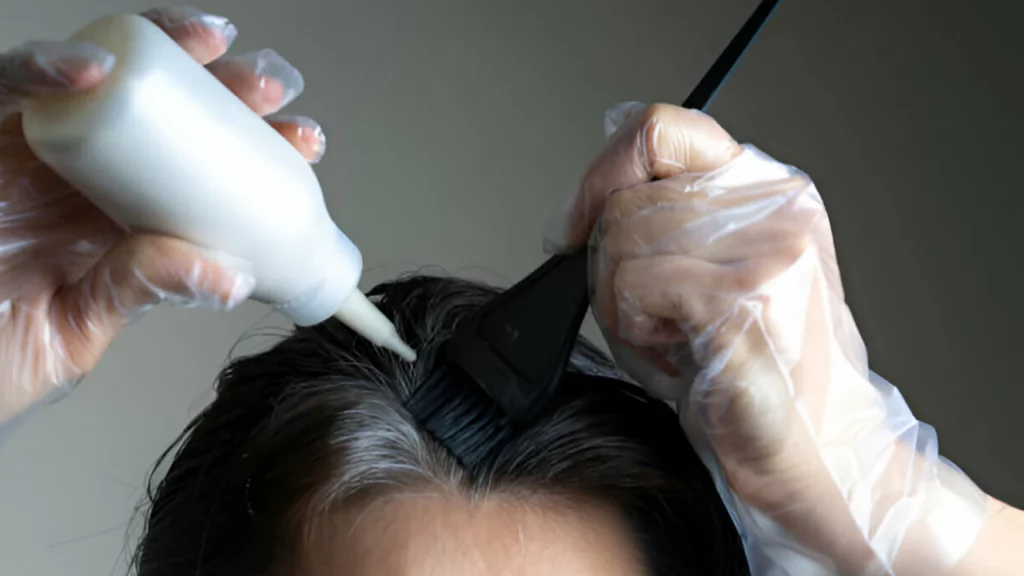
Always conduct a patch test.
➤ Damage Progression Over Time
Repeated dyeing, especially bleaching, makes hair more porous with each treatment, increasing susceptibility to breakage.
3. What Pre-Dye Care Steps Can Strengthen and Protect Your Hair?
Healthy hair withstands dyeing far better than stressed or fragile hair. Prepping your strands is an essential part of the coloring process.
➤ Moisturize and Strengthen 1–2 Weeks Before
Incorporate:
- Deep conditioning masks
- Protein treatments
- Bond repair products (peptides, amino acids, bond-builders)
This fortifies hair from the inside out.
➤ Avoid Heavy Heat Styling
Flat irons, curling wands, and blow-dryers dry the hair further and weaken its bonds before coloring.
➤ Clarifying Shampoo (1–2 Days Before)
Removes buildup so color can penetrate evenly.
Do NOT use it immediately before dyeing to avoid scalp irritation.
➤ Don’t Dye Over Damaged Hair
If your hair is breaking, gummy when wet, or extremely dry, delay coloring and focus on restoration.
➤ Hydrate the Scalp
A healthy scalp equals healthier hair growth.
Use gentle exfoliants or lightweight oils… not on the same day as dyeing.
4. What Post-Dye Care Helps Maintain Vibrant, Healthy Hair?
After coloring, your hair needs targeted care to stay strong, hydrated, and shiny. Without proper post-dye maintenance, even professionally colored hair will fade and weaken quickly.
➤ Use Sulfate-Free, Color-Safe Shampoo
Sulfates strip pigment quickly and increase dryness.
➤ Deep Condition Weekly
Focus on moisture, especially after bleaching.
Choose products with:
- Ceramides
- Hyaluronic acid
- Aloe
- Shea butter
➤ Protein and Bond-Building Treatments
Bleached or heavily processed hair benefits from protein and bond reinforcing formulas to rebuild structure.
Ingredients to look for:
- Hydrolyzed keratin
- Amino acids
- Peptides
- Bis-aminopropyl diglycol dimaleate (Olaplex-type bond builders)
➤ Reduce Heat Styling
High temperatures intensify damage and fade color.
If you must use heat:
- Apply heat protectant
- Keep temperatures moderate
- Limit frequency to 1–2 times weekly
➤ Use UV Protection for Hair
UV rays fade dye and weaken keratin.
Use:
- UV sprays
- Hats
- Scarves
Especially important for red, pastel, and vivid colors.
➤ Avoid Over-Washing
Washing too often strips color and natural oils.
Aim for:
- 2–3 washes per week
- Dry shampoo on off-days
➤ Protect Hair While Sleeping
Friction causes breakage and fading.
Use:
- Silk pillowcases
- Loose protective hairstyles
5. What Protective Routines Can Keep Dyed Hair Strong Long-Term?
A long-term protective routine helps preserve the integrity of the hair and extends the time between dye sessions.
➤ Hydration Routine
Daily lightweight leave-in conditioners or oils help lock moisture in.
Good options:
- Argan oil
- Jojoba oil
- Squalane
- Lightweight silicone serums
➤ Weekly Treatments
Rotate between:
- Moisture masks
- Protein treatments
- Scalp detox es
This maintains balance.
➤ Trim Every 6–8 Weeks
Prevents split ends from traveling up the hair shaft.
➤ Choose Gentler Coloring Techniques
If you want color with less risk:
- Balayage
- Gloss or glaze
- Demi-permanent dye
- Tinting instead of bleaching
These methods minimize the number of times the hair is fully saturated with chemicals.
➤ Allow Time Between Dye Sessions
Especially for bleach or high-lift services.
Spacing treatments gives the hair recovery time.
Conclusion: Can You Enjoy Hair Dye Without Ruining Your Hair Health?
Yes—absolutely. With the right dye choice, proper preparation, and diligent aftercare, you can achieve beautiful color while keeping your hair strong and healthy.
Hair dye doesn’t automatically equal damage; the key is knowledge, moderation, and consistent care. Understanding the risks and taking proactive steps ensures your hair stays vibrant, smooth, and resilient—no matter how often you choose to color it.