

















For those with curly hair, the relationship with their locks is often a complex journey of love and frustration. What should be a crown of vibrant, bouncy coils can often feel like a dry, frizzy, and unmanageable mystery. The fundamental truth that transforms this relationship is understanding that curly hair is not a problem to be solved, but a unique hair type with specific biological needs that must be respected and nurtured. The journey from frizz to defined ringlets isn’t about fighting your hair’s natural texture, but about mastering the science of moisture, gentle handling, and product chemistry. This comprehensive guide moves beyond generic advice to provide a deep, evidence-based approach to caring for curly hair, focusing on the core principles that unlock its true potential for health, definition, and stunning beauty.
1. The Hydration Equation: Mastering Moisture Retention from the Inside Out
The single most important characteristic of curly hair is its inherent dryness. This isn’t a flaw; it’s a matter of geometry and biology.
The Science of Dryness:
- The Shape of the Strand: The natural spiral of a curly hair shaft makes it difficult for the scalp’s natural oils (sebum) to travel down from the root to the ends. In straight hair, the path is a direct route. In curly hair, it’s a winding, obstacle-filled path, leaving the midsections and ends chronically under-lubricated.
- A Vulnerable Cuticle: The curved structure of the hair shaft also means the protective outer layer, the cuticle, is often raised or slightly open. This makes it easier for moisture from inside the hair strand to escape into the air (a process called transepidermal water loss) and for humidity from the air to be absorbed, leading to frizz.
Effective Moisture Retention Strategies:
- Pre-Poo (Pre-Shampoo Treatment): Before you even shampoo, apply a lightweight oil (like coconut, avocado, or almond oil) or a deep conditioner to dry or damp hair. This creates a protective barrier that prevents the shampoo from stripping the hair of its natural oils entirely.
- The Squish to Condish Method: This technique is a game-changer for hydration. While applying conditioner in the shower, flip your head over and scrunch handfuls of water into your hair along with the conditioner. You will hear a “squish” sound as the hair absorbs the water. This forces hydration into the hair shaft, resulting in a squishy, gummy feel that indicates well-hydrated curls.
- Deep Conditioning with Heat: Once a week, replace your regular conditioner with a protein-free, moisturizing deep conditioner. Apply it generously, then cover your hair with a plastic cap. Applying gentle heat (from a warm towel or a hooded dryer) for 15-30 minutes opens the cuticle further, allowing the conditioning agents to penetrate deeply for intense, lasting hydration.
2. The Tangle Takedown: Gentle Detangling Methods to Prevent Breakage
Curly hair is at its most fragile when it is wet and tangled. How you handle detangling directly impacts hair loss and breakage.
Why Force is the Enemy:
Pulling a brush through dry or wet, knotted curls stretches the hair shaft beyond its elastic limit, causing it to snap. This creates frizz (from broken hair shafts) and thins out your curl pattern over time.
The Golden Rules of Detangling:
- Detangle on Saturated, Conditioned Hair: Never attempt to detangle dry hair. The slip from a generous amount of conditioner in the shower is non-negotiable. The water and conditioner provide lubrication, allowing tools to glide through with minimal resistance.
- Start from the Bottom Up: Always begin detangling the very ends of your hair first, working out the small knots. Then, move a few inches up the hair shaft and detangle again, gradually working your way up to the roots. This prevents you from pushing all the small tangles into one large, impossible knot at the bottom.
- Use the Right Tools:
- Fingers: Your most gentle tool. Use them to gently separate large sections and initial clumps.
- Wide-Tooth Comb: Ideal for working through conditioner and distributing it evenly without disrupting the curl clumps.
- Tangle Teezer or Denman Brush: These are excellent for the final “shaping” detangle. Use them on sopping wet hair loaded with a styler to define curls and smooth the cuticle, but only after the major knots have been removed with your fingers or a wide-tooth comb.
3. The Product Pantheon: Decoding Ingredients and Formulations for Curls
Navigating the hair product aisle can be overwhelming. Understanding what your curls need from a formulation is key to building an effective routine.
The Core Product Types and Their Functions:
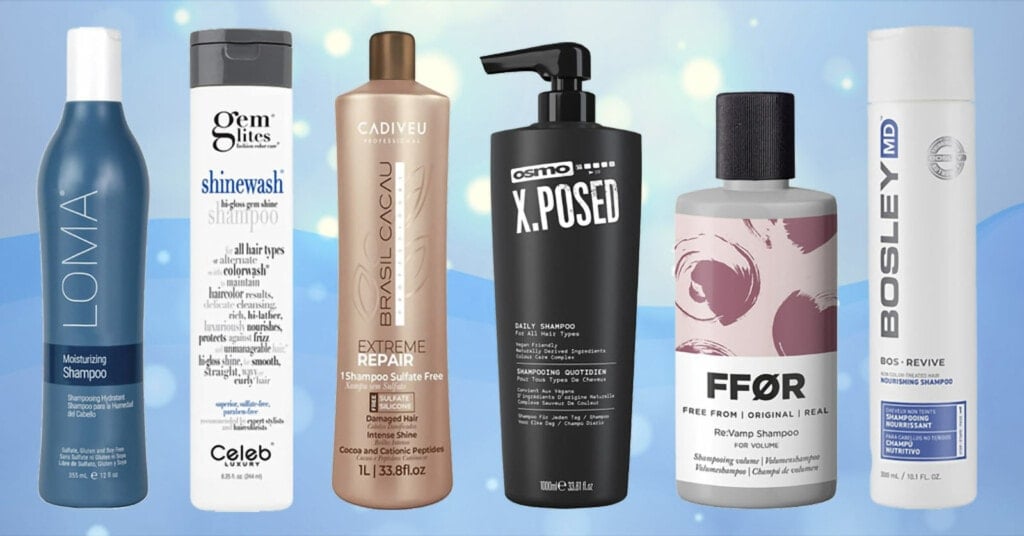
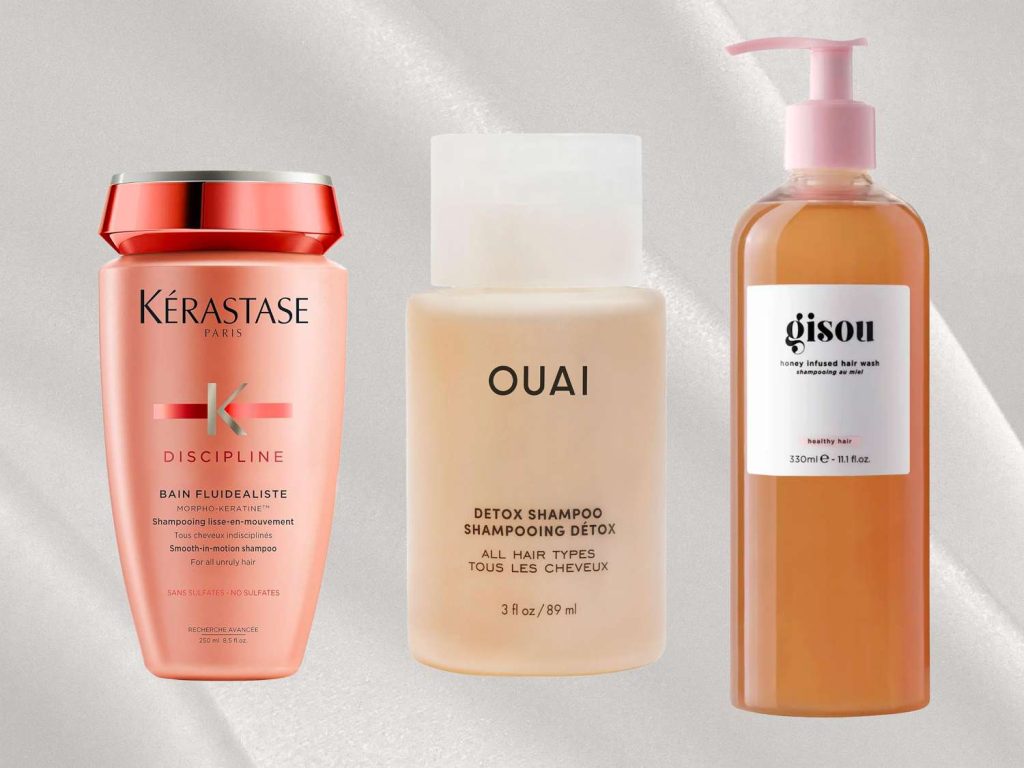
- Cleanser (Shampoo): Curly hair typically benefits from sulfate-free shampoos or co-washes (cleansing conditioners). Sulfates are harsh detergents that create a rich lather but strip the hair of its essential oils, leading to dryness. Gentle cleansers clean the scalp without devastating the hair’s moisture balance.
- Conditioner: This is your primary source of slip and moisture. Look for products containing humectants (like glycerin) to attract water, and emollients (like various oils and butters) to seal it in and soften the hair shaft.
- Leave-In Conditioner: Think of this as a lightweight, daily moisturizer for your hair. It provides a baseline level of hydration and protection throughout the day.
- Styler (Gel, Cream, Mousse): This is what provides “hold” and definition.
- Gels: Create a cast around the curl to lock it in place, combat frizz, and provide long-lasting definition. Look for humectant-free gels in humid climates.
- Curl Creams: Provide moisture and light hold, enhancing definition without crunch. They are often used under a gel for extra moisture.
- Mousses: Provide volume and a light, airy hold.
The Holy Grail: The “Curl Clump”: The goal of styling is to encourage your individual hairs to dry together in defined “clumps.” This is achieved by applying stylers to sopping wet hair and not disturbing the hair until it is completely dry. Breaking the cast of a gel once the hair is 100% dry is what reveals soft, defined, frizz-free clumps.
4. The Art of Definition: Styling Techniques for Frizz-Free, Voluminous Curls
Technique is just as important as product choice. How you apply your products and dry your hair will make or break your curl definition.
The Styling Routine Blueprint:
- Apply to Soaking Wet Hair: After your final conditioner rinse, do not towel dry. Leave your hair dripping wet. This water is crucial for forming large, hydrated curl clumps.
- The Raking and Scrunching Method: Apply your leave-in conditioner and styler by first “raking” the product through your hair to ensure even distribution from roots to ends. Then, with your head flipped over, “scrunch” your hair upwards towards your scalp repeatedly. This motion encourages the hair to form its natural clumps and helps the product penetrate.
- Microplopping, Not Rough Toweling: Never rub your hair with a regular bath towel; the rough texture creates frizz. Instead, use a soft, microfiber towel or an old cotton t-shirt. Gently scrunch your hair with the fabric to remove excess water without disrupting the clumps.
- The All-Important Dry:
- Air Drying: The gentlest method. Simply allow your hair to dry naturally, being careful not to touch it until it’s fully dry.
- Diffusing: Attach a diffuser to your hairdryer. This is a bowl-shaped attachment that disperses the air flow. Place sections of your hair into the diffuser, cup it towards your scalp, and dry on low heat and speed. This provides volume and speeds up drying time without blowing your curls apart and causing frizz.
- The Final Act: Scrunch Out the Crunch (SOTC): Once your hair is 100% dry and has a hard, gel cast, it’s time to break the seal. Put a small amount of a lightweight oil or serum on your palms, and gently scrunch your hair. This breaks the cast, revealing soft, touchable, yet perfectly defined curls.
Caring for curly hair is a journey of embracing its unique structure and working with its natural tendencies, not against them. By prioritizing intense, consistent hydration, handling your hair with gentle respect during detangling, choosing products that nourish and support, and mastering styling techniques that encourage clumping, you can transform your curl care routine from a battle into a beautiful, rewarding ritual. The result is not just managed hair, but hair that is healthy, vibrant, and proudly displays its natural, beautiful texture.