










We lavish attention on the hair we see—conditioning the ends, styling the lengths, and coloring the strands—all in the pursuit of longer, thicker, and healthier locks. Yet, we consistently neglect the very foundation from which all hair grows: the scalp. Think of your scalp as the soil in a garden. No matter how much you tend to the flowers, if the soil is depleted, compacted, or diseased, the plants will never reach their full potential. The same is true for your hair. Optimal hair growth is not just about what you put on your hair, but about the health of the ecosystem on your head. This article delves into the critical, often-ignored world of scalp health, providing a scientific and practical guide to cleansing, stimulating, and treating your scalp to create the perfect environment for vibrant, flourishing hair.
1. The Foundation of Follicles: Mastering Scalp Cleansing Techniques
The goal of scalp cleansing is not to create a sterile, oil-free environment, but to maintain a balanced microbiome—the community of beneficial bacteria and yeast that live on your skin. Stripping this microbiome leads to problems, while neglecting it allows for overgrowth of harmful organisms.
The Double Cleansing Method for the Scalp:
Borrowed from advanced skincare, this technique is revolutionary for scalp health, especially for those who use heavy stylers or live in polluted environments.
- First Cleanse: The Clarifying Wash. This first step is designed to break down and remove product buildup, sebum, and environmental pollutants.
- How to Do It: Before you wet your hair, apply a lightweight, clarifying oil (like jojoba or grapeseed) or a dedicated pre-wash scalp treatment directly to your dry scalp. Massage it in for 2-3 minutes. This “oil cleansing” method helps to dissolve oil-based debris. Alternatively, use a gentle, sulfate-free shampoo on dry or damp hair, focusing only on the scalp. Massage and rinse thoroughly.
- Why It Works: It allows the active ingredients to penetrate more effectively without being diluted by water and hair, ensuring a deep, thorough clean.
- Second Cleanse: The Balancing Wash. This step is for cleansing the hair strands and ensuring any residue from the first wash is removed, while restoring moisture balance.
- How to Do It: After rinsing the first cleanse, apply your regular, daily shampoo to your wet hair and scalp. Lather, massage, and rinse. This second wash will feel more productive because the initial barrier of buildup has been removed.
Key Cleansing Techniques:
- Use Your Pads, Not Your Nails: Always use the pads of your fingers, not your fingernails, to massage the scalp. Scratching can cause micro-tears, leading to inflammation, infection, and scarring that can permanently damage hair follicles.
- Thorough Rinsing: Spend twice as long rinsing as you do lathering. Leftover shampoo and conditioner residue can clog follicles and irritate the scalp.
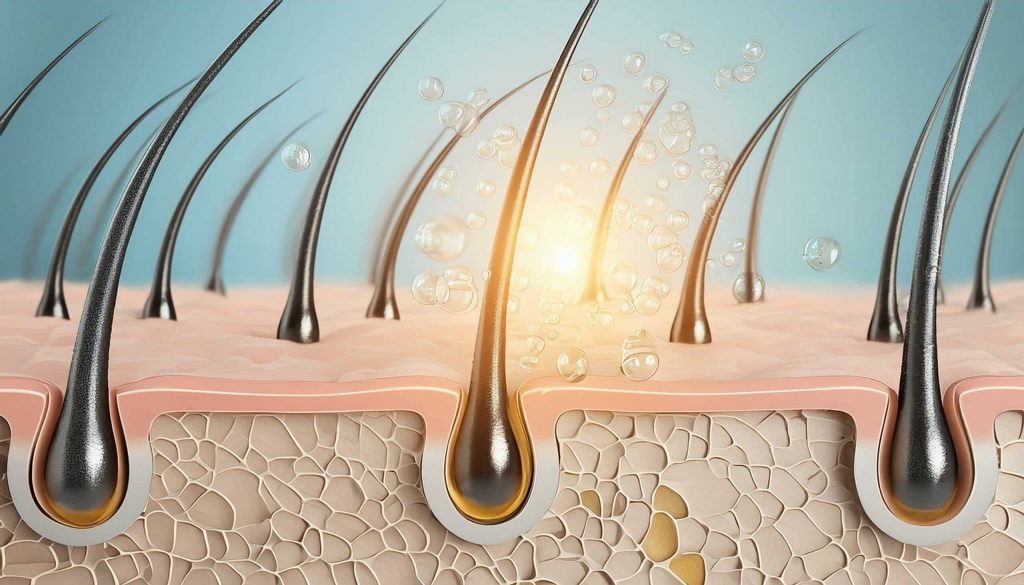
2. The Stimulation Solution: The Science and Benefits of Scalp Massage
A scalp massage is more than just a feel-good ritual; it’s a therapeutic practice with measurable benefits for hair growth.
The Physiological Effects:
- Increased Blood Circulation: The physical pressure of massage dilates the blood vessels in the scalp, increasing blood flow. This enhanced circulation delivers a greater supply of oxygen and vital nutrients (like iron and vitamins) to the hair follicles, which are essential for the anagen (growth) phase of the hair cycle.
- Reduced Stress and Cortisol: Chronic stress is a major contributor to hair thinning and loss (telogen effluvium). Scalp massage has been shown to lower heart rate and cortisol levels, creating a physiological state that is more conducive to hair growth.
- Stimulation of Dermal Papilla Cells: These cells at the base of the follicle are the “command center” for hair growth. Studies suggest that mechanical stimulation from massage can help activate and strengthen these cells.
How to Perform a Therapeutic Scalp Massage:
- Dry or Oiled Massage: You can do this on a dry scalp or apply a few drops of a nourishing oil like rosemary or pumpkin seed oil, which have been linked to hair growth benefits.
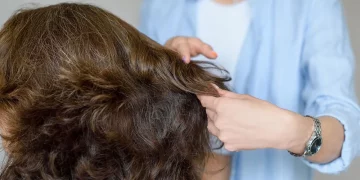
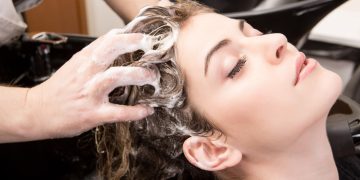
- Technique: Using the pads of your fingers, apply firm but gentle pressure. Use small, circular motions, covering your entire scalp from the hairline to the nape of your neck. You can also try a “kneading” motion, like you’re kneading dough.
- Duration and Frequency: Just 5 minutes a day, 3-5 times a week, can yield significant benefits over time. Consistency is key.
3. Diagnosing the Problem: Identifying and Addressing Common Scalp Issues
A healthy scalp is a clear, non-itchy, and non-painful foundation. Common issues create an environment where hair cannot thrive.
Seborrheic Dermatitis (Dandruff):
- What it is: A common inflammatory condition that causes flaky, white or yellowish scales and a red, itchy scalp. It’s often associated with an overgrowth of a naturally occurring yeast called Malassezia.
- Impact on Growth: The inflammation can disrupt the hair growth cycle and constant scratching can damage follicles.
- Solution: Use anti-fungal shampoos containing active ingredients like Ketoconazole (1-2%), Selenium Sulfide, or Pyrithione Zinc. Use these as your first cleanse 2-3 times a week, followed by a moisturizing shampoo.
Folliculitis:
- What it is: An infection or inflammation of the hair follicles, often appearing as small, pus-filled bumps or red, tender bumps that look like acne. It can be bacterial or fungal.
- Impact on Growth: Can cause temporary hair loss from the inflamed follicles and, in severe cases, lead to scarring and permanent hair loss.
- Solution: For mild cases, a wash with Tea Tree Oil (a natural antimicrobial) can help. For persistent cases, a dermatologist may prescribe antibiotic or antifungal treatments.
Product Buildup:
- What it is: A accumulation of hair products, sebum, and dead skin cells that coats the scalp and hair, forming a film that can clog follicles.
- Impact on Growth: Physically blocks the follicle opening, preventing new hairs from emerging and potentially miniaturizing the follicle over time.
- Solution: Implement the double cleansing method and use a clarifying shampoo with Chelating agents (like EDTA) once a week to remove hard water minerals and buildup.
Dry, Tight Scalp:
- What it is: A lack of moisture and oil production, leading to flakiness (small, white, dry flakes), itching, and a feeling of tightness.
- Impact on Growth: A compromised scalp barrier can lead to inflammation and an impaired ability to support healthy follicles.
- Solution: Avoid harsh sulfates. Use hydrating shampoos and incorporate a moisturizing scalp serum or oil containing ingredients like Hyaluronic Acid or Squalane to replenish moisture.
4. The Product Prescription: Recommended Ingredients and Formulations
Choosing the right products is about selecting active ingredients that target your specific scalp concerns.
For a Balanced, Healthy Scalp:
- Shampoo: Look for sulfate-free formulas with gentle cleansers. Ingredients like Panax Ginseng or Caffeine can help stimulate circulation.
- Treatment: A scalp toner with Niacinamide (Vitamin B3) can help regulate oil production and strengthen the skin barrier.
For Dandruff and Seborrheic Dermatitis:
- Shampoo: Rotate between shampoos containing Ketoconazole, Pyrithione Zinc, and Salicylic Acid (to exfoliate flakes). This prevents the yeast from building resistance.
For Follicle Stimulation and Thinning Hair:
- Treatment Serums: Look for leave-in treatments containing:
- Rosemary Oil: Studies have shown it to be as effective as minoxidil 2% for treating androgenetic alopecia with less scalp itching.
- Peptides: Signal the follicle to stay in its growth phase.
- Caffeine: Blocks the effects of DHT (a hormone that shrinks follicles) and stimulates growth.
For Dry, Itchy Scalp:
- Treatment: Pre-wash oils with Jojoba Oil (mimics the skin’s natural sebum) or Squalane. A scalp mask with Hyaluronic Acid can provide intense hydration.
The path to longer, stronger, and thicker hair is paved with scalp health. By shifting your focus from the strands to the source, you can address the root cause of many hair concerns. Through mindful cleansing that respects the scalp’s microbiome, therapeutic massage that boosts circulation, a keen eye for diagnosing common issues, and the strategic use of targeted products, you can transform your scalp from a neglected foundation into a fertile ground for optimal hair growth. Remember, a healthy scalp is the non-negotiable first step to achieving the hair you’ve always wanted.