















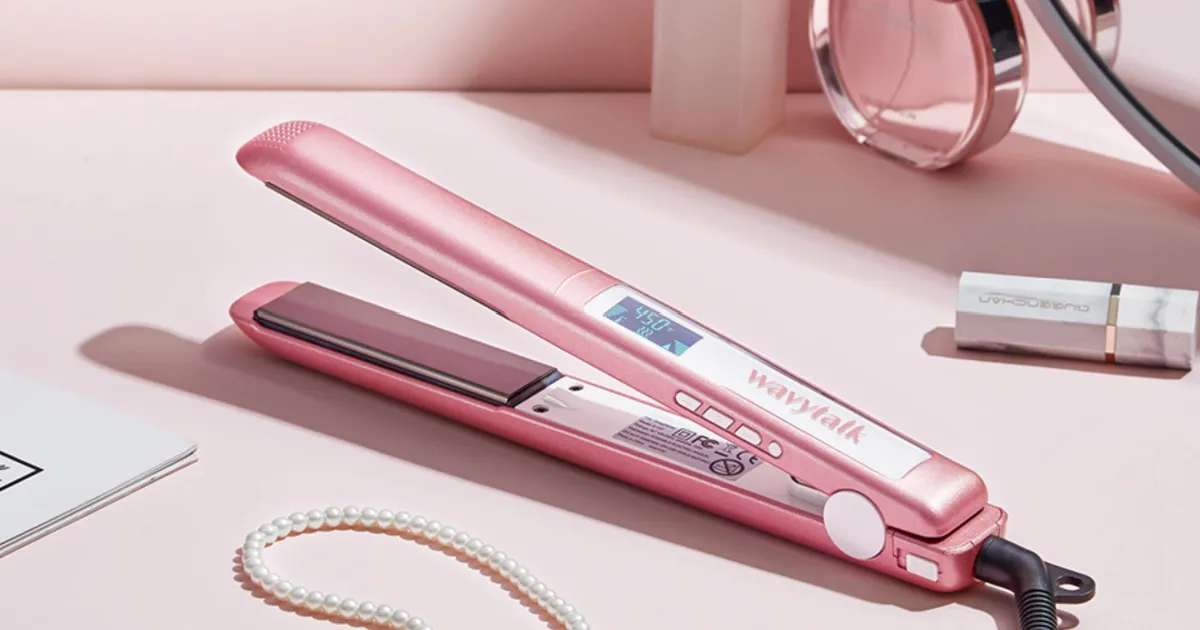
Heat styling has become a central part of modern beauty routines, offering the ability to transform hair within minutes—straightening curls, adding waves to straight strands, or creating voluminous blowouts. Yet behind this convenience lies a critical concern: heat damage. Many people unknowingly expose their hair to temperatures far beyond what the cuticle can tolerate, resulting in dryness, breakage, frizz, and long-term weakening.
So the real question becomes: Is it possible to enjoy heat styling without destroying your hair?
Absolutely—when you understand safe temperature ranges, choose the right protective products, control your styling frequency, and explore healthier alternatives. This comprehensive guide walks you through each step so you can create the looks you love while preserving strong, healthy hair.
1. What Temperature Is Actually Safe for Heat Styling?
Heat tools vary widely in the temperatures they offer—some flat irons and curling wands reach over 230°C (450°F). But “hotter” is not better. In fact, going too high can permanently break down the hair’s keratin structure.
Safe Temperature Guidelines
The safest heat range depends on hair type and texture:
| Hair Type | Ideal Temperature | Notes |
|---|---|---|
| Fine or damaged hair | 120–150°C (250–300°F) | Lowest heat to prevent breakage |
| Normal or medium hair | 150–175°C (300–350°F) | Effective for most styles |
| Thick or coarse hair | 175–200°C (350–390°F) | Only increase if absolutely necessary |
| Natural or tightly curled hair | 160–185°C (320–365°F) | Higher temperatures risk heat-trained curls |
Why Excessive Heat Damages Hair
Hair is made of protein and water. When overheated:
- Moisture evaporates too quickly
- The cuticle cracks
- Cortex structure weakens
- Hair becomes porous, frizzy, and brittle
This damage is cumulative—meaning each session compounds the previous one.
Pro Tip
If your tool has no temperature control, replace it.
If it heats in seconds, it likely runs too hot.
2. How Do Protective Products Keep Your Hair Safe?
Before applying heat, your hair should never be naked. Heat protectants create a barrier that:
- Reduces moisture loss
- Lowers heat conduction
- Smooths the cuticle
- Minimizes breakage
- Prevents color fading
Best Types of Heat Protectants
Spray (lightweight)
Ideal for fine or oily hair; distributes evenly.
Cream or serum (nourishing)
Best for thick, coarse, or dry hair; offers added moisture.
Leave-in conditioners with heat protection
Perfect for people who prefer fewer products.
Key Protective Ingredients to Look For
- Silicones (dimethicone, cyclomethicone): coat hair for heat resistance
- Hydrolyzed proteins: strengthen damaged cuticles
- Natural oils (argan, grapeseed, avocado): nourish and reduce friction
- Panthenol (Vitamin B5): adds shine and moisture
How to Apply Heat Protectant Correctly
- Start on damp or dry hair (depending on formula)
- Apply section by section
- Comb through for even distribution
- Allow spray to dry before using heat
- Reapply before restyling
What You Should Avoid
- Using untested “DIY heat protectants”—coconut oil alone is not heat protection
- Only spraying the top layer
- Applying too much (can make hair sticky)
3. How Often Can You Heat-Style Without Harming Your Hair?
Frequency plays a major role in long-term hair health. Your hair can withstand occasional heat, but overuse will inevitably lead to damage.
General Frequency Guidelines
- Fine or fragile hair: 1× per week
- Medium hair: 2× per week
- Thick/coarse hair: 2–3× per week
- Color-treated hair: Maximum 1× per week
Signs You’re Heat-Styling Too Often
- Ends splitting quickly
- Hair feels rough or straw-like
- Increased shedding
- Curls losing their bounce
- Hair refuses to hold style
- Persistent frizz
Tips to Reduce Heat Exposure
- Touch up only small sections instead of full styling
- Use satin pillowcases to preserve shapes overnight
- Opt for heatless refreshers (foam rollers, wet sets)
- Avoid restyling already heated hair within 24 hours
Rotate Your Styling Tools
Switching between blow dryers, straighteners, and curling wands can distribute stress more evenly.
4. Which Alternative Styling Methods Protect Your Hair Best?
Heatless styling methods have exploded in popularity—and for good reason. Many create beautiful styles with zero thermal damage.
Best Heatless Alternatives
1. Heatless Curling Rods / Ribbon Curlers
Soft, bendable tools that create waves or curls overnight.
Results: Natural-looking curls
Best for: All hair types
2. Foam Rollers
Classic and extremely gentle.
Results: Volume and bounce
Best for: Fine or fragile hair
3. Braiding Techniques
Different braids create different wave patterns:
- Classic braid = soft waves
- Dutch braid = deep waves
- Rope braid = loose spiral waves
4. Flexi Rods
Flexible tubes for spiral curls.
Best for: Curly and coily hair
5. Wet-Setting
Applying mousse or styling cream and allowing hair to air-dry in the desired shape.
Best for: Reducing frizz and enhancing natural texture
6. Air-Drying with Styling Aids
Modern formulas allow air-drying without frizz:
- Curl creams
- Air-dry balms
- Texture sprays
Other Low-Heat Methods
- Blow-dry on cool setting
- Minimal heat diffusing
- Using a hooded dryer at low temperatures
Conclusion: Can You Truly Heat-Style Without Damage?
Yes—when approached thoughtfully. Heat styling doesn’t have to ruin your hair. Understanding safe temperatures, applying the right protective products, limiting frequency, and exploring healthier alternatives allows you to enjoy polished, glamorous styles while maintaining strong, shiny, and resilient hair.
Healthy hair is about balance, awareness, and consistent care. With the right habits, your styling tools become allies—not enemies.